
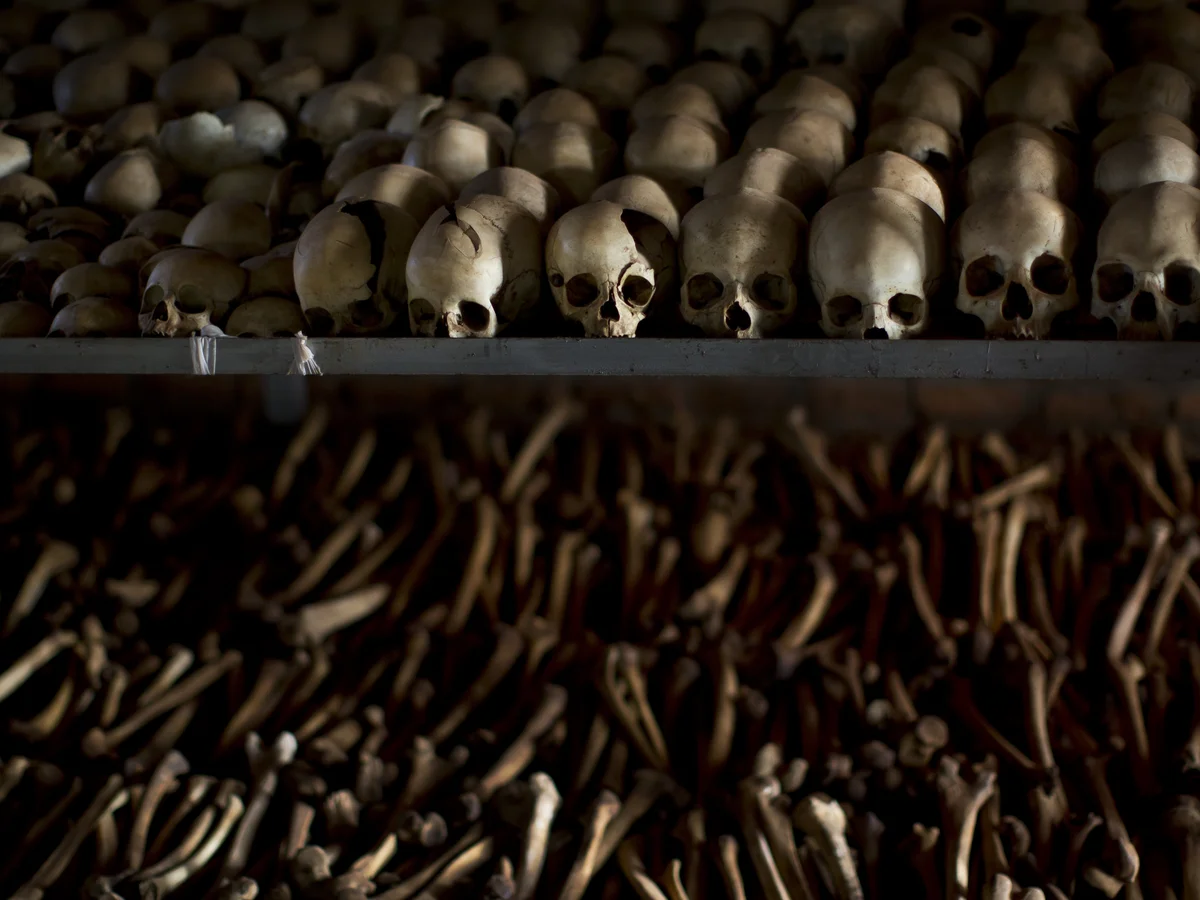
Genocide against the Tutsi claimed over a million lives in just 100 days. [Courtesy]
More than 15,000 Rwandan families were completely wiped out during the 1994 Genocide against the Tutsi, according to the Rwandan Graduates Genocide Survivors Organization (GAERG).
The organization has identified 15,593 families, comprising 68,871 individuals, who left behind no descendants.
In Rwanda, such a family is defined by the total erasure of both people and property, parents, children, and relatives killed, with homes destroyed and history nearly lost.
GAERG has been leading a national effort to document these families, not merely as statistics, but as human stories deserving dignity, remembrance, and honor. Through its projects, GAERG restores the identity of those who were nearly forgotten.
These initiatives serve as a powerful reminder that remembering is not just a duty but also a call to protect humanity as Rwanda commemorates 31 years since the Genocide against the Tutsi.
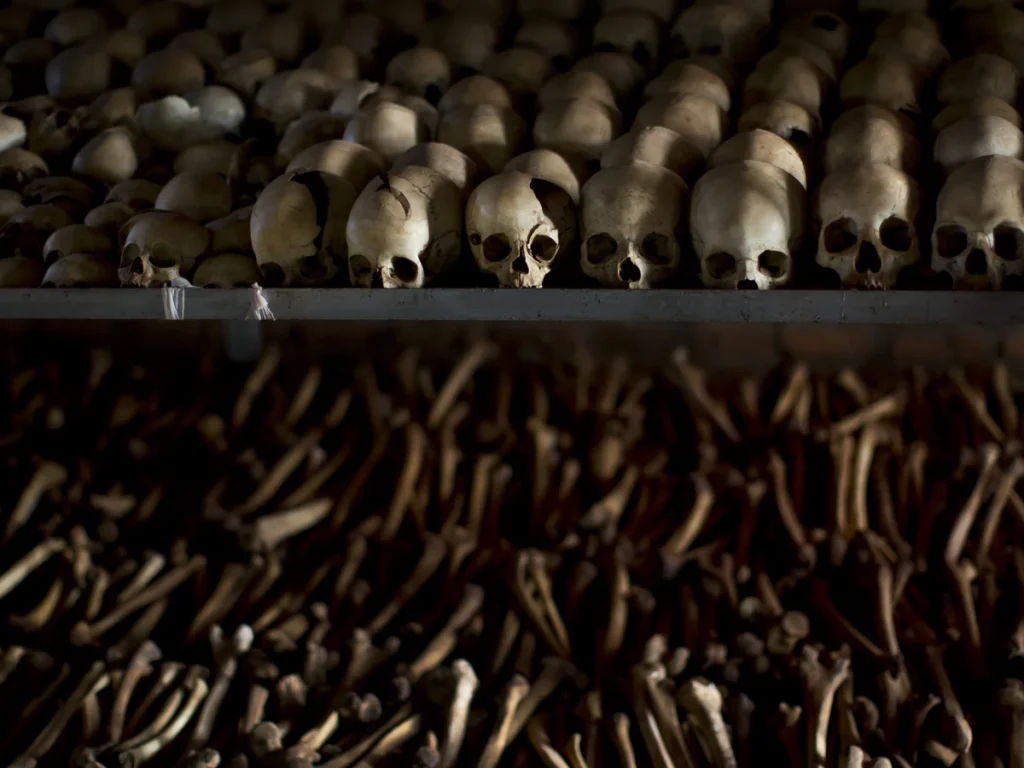
Brief Historical Context
The Genocide against the Tutsi took place in Rwanda over a period of 100 days in 1994. It was a planned, state-backed campaign by extremist leaders who controlled political power, the army and media. The goal was clear. Exterminate the Tutsi population.
Preparations began long before the killings. Tutsi were singled out through national ID cards. Hate propaganda ran on radio and in newspapers. Militias were trained and armed. Local officials were instructed to identify Tutsi families in every village.
After the assassination of President Juvénal Habyarimana on April 6, 1994, the plan moved into action. Roadblocks were set up. Homes were searched. Neighbors turned into targets. More than one million people were murdered. Most were killed with basic weapons in their own communitie. It ended when the Rwandan Patriotic Front (RPF) took control of the country in July 1994.
Author
About The Author