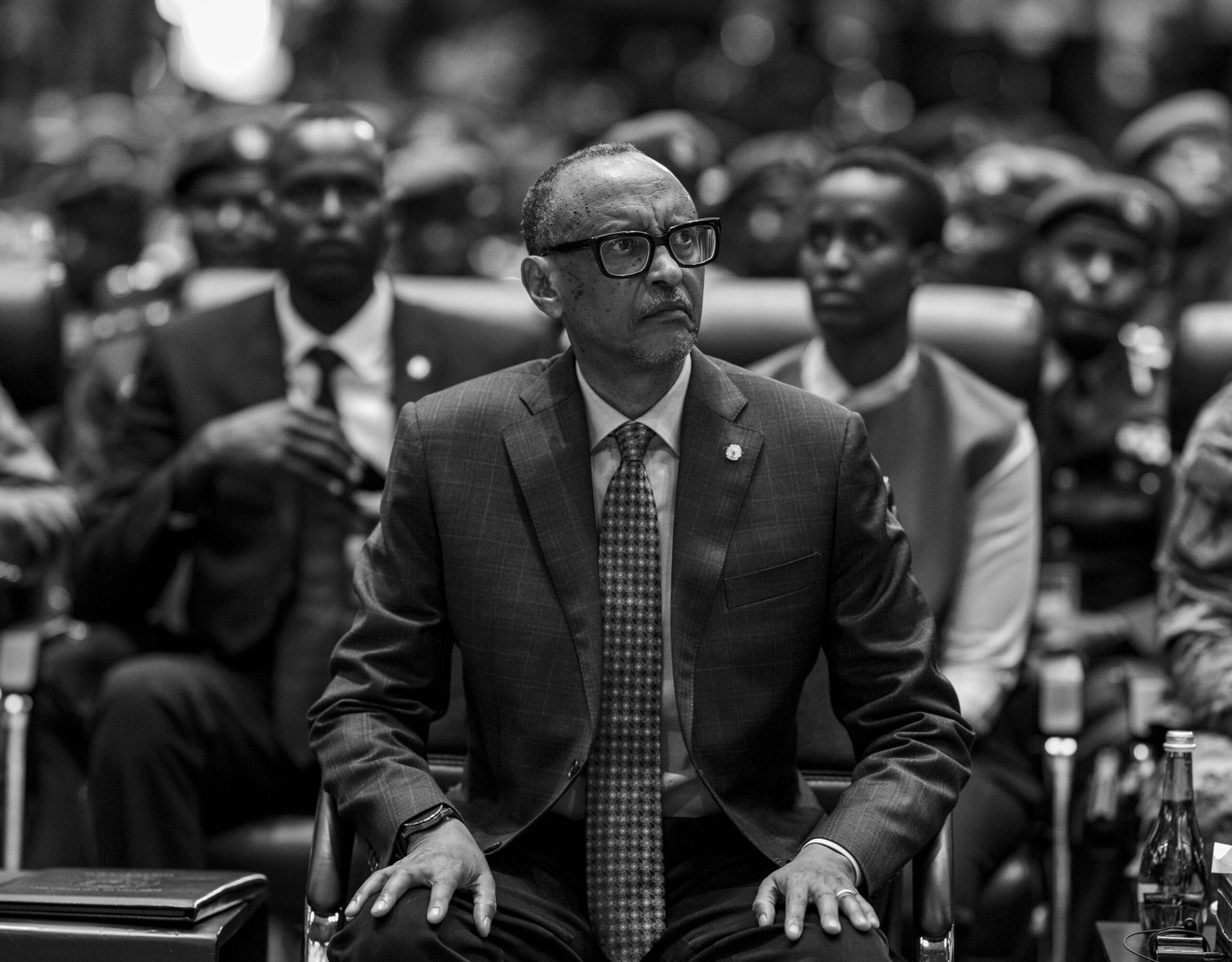
President Paul Kagame has made Rwanda’s closest public admission yet of a military presence in eastern Democratic Republic of Congo, stopping short of a direct statement but confirming that Rwanda’s “defensive measures” can include troops operating inside Congolese territory.
In an exclusive interview with Jeune Afrique, Kagame was asked whether his ambassador’s January 22 statement that “Rwanda does engage in security coordination with AFC/M23, amounted to an acknowledgment of RDF troops on the ground in eastern Congo.
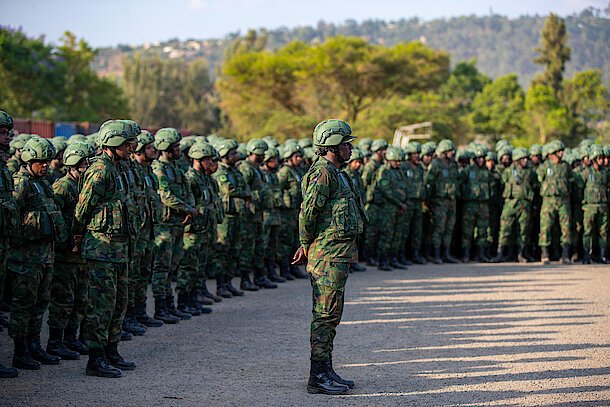
His response: “Yes, it I mean largely it makes sense.” He went further. “What would anybody define defensive measures as to do with the problems in eastern Congo? It means a number of things. It means you may use equipment. You may use troops on the ground, which means to defend that territory.”
He added that defending Rwanda’s border could mean operating 5, 10, or 20 kilometres inside DRC depending on the identified threat and that there was “no contradiction” in that position. Rwanda has consistently refused to confirm a formal military presence in eastern Congo, but Kagame’s Jeune Afrique remarks represent the most direct engagement with the question any Rwandan official has offered on the record.
Jeune Afrique’s editorial director François Soudan described the admission as “implicit but clear” and noted it also included an explicit acknowledgment of Rwanda’s support for M23.
Kagame tied Rwanda’s continued presence to one condition: the elimination of the FDLR.
“We refuse to remove defensive measures whether it means troops or whatever else we call it and in your logic, why would a threat be against me and you’re asking me to remove my defensive measures but you’re not dealing with the threat? What is the logic?”
The framing matters. Kagame did not say Rwanda is withdrawing. He did not say the troops are leaving. He said Rwanda will not move until the FDLR threat is gone and that defending Rwanda’s border, wherever that line falls on a given day, is non-negotiable.
About the Author