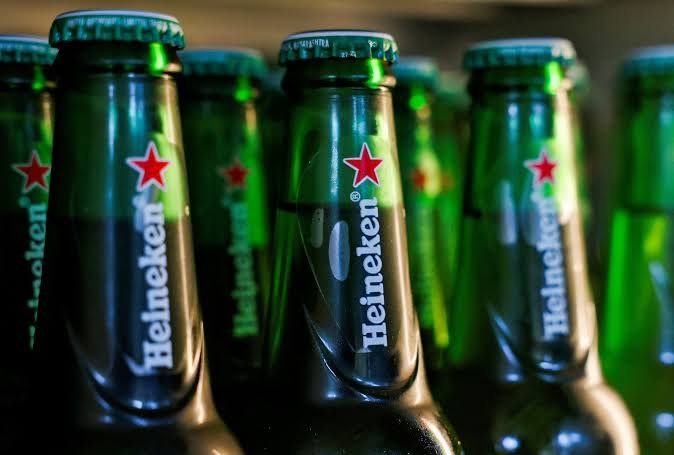
Heineken has sold its entire stake in Bralima, its Congolese brewing subsidiary, ending 40 years of direct ownership in one of Africa’s largest consumer markets.
The buyer is ELNA Holdings, a Mauritius-based company with existing operations across the continent. No financial terms were disclosed.
The deal was announced today, April 10, 2026. ELNA Holdings will take over full operations including production, distribution, and Bralima’s approximately 731 employees.
Heineken will stay in the DRC only through trademark licensing agreements covering its brands, Heineken, Primus, Turbo King, Legend, and Mützig. The Dutch brewer keeps the royalty stream. It just won’t own the factories anymore.
The exit did not happen overnight. In February 2025, Bralima’s brewery and depots in the eastern city of Bukavu were extensively looted after Congolese security forces withdrew during an advance by AFC/M23 rebels.
By June, Heineken said armed personnel had seized its facilities in Bukavu and Goma, and it had lost operational control.
In November, Heineken transferred its Bukavu brewery to a separate Mauritius-based buyer for just one euro, retaining a three-year buyback option if conditions stabilised.
Today’s deal covers what was left, the three breweries in Kinshasa, Kisangani, and Lubumbashi, far from the frontlines but still part of a company that had clearly made up its mind.
M23 seized Goma and Bukavu, looted Heineken’s facilities, and one of the world’s most recognizable multinationals ultimately decided to walk away from a market it had been in since 1986.
Nearly 14 percent of Heineken’s total revenues come from its businesses in the Middle East and Africa, and Congo with a population of over 100 million. That makes this exit more significant than a corporate restructuring.
Heineken’s departure from Bralima’s ownership structure is unlikely to be the last. Guillaume Duverdier, Heineken’s Africa Middle East regional head, described the sale as part of a shift toward a “more asset-light approach in selected markets.” That is corporate language for: we are not betting physical infrastructure on political risk we cannot control.
Other multinationals operating across Central and East Africa will have read the same memo.
The question for Rwanda and the broader Great Lakes region is whether the peace framework being built right now is durable enough to reverse this trend, or whether Heineken is just the most visible company to do what many others are quietly planning.
About the Author