Rwanda recorded a 63% increase in exports in the first quarter of 2026, its strongest quarterly export performance in recent years, driven by a near-doubling of traditional commodity revenues and sustained gains across non-traditional categories, a result that the National Bank of Rwanda described as evidence of years of investment in agricultural productivity, mining, and manufacturing beginning to yield measurable returns.
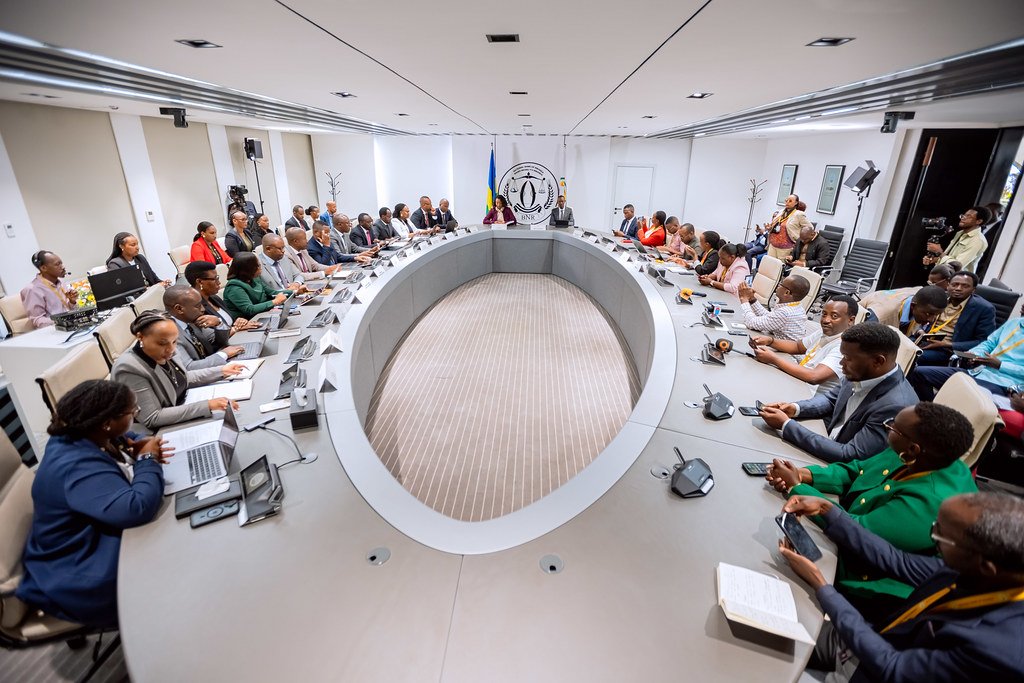
The figures were presented by Governor Soraya HAKUZIYAREMYE at the central bank’s second Monetary Policy Committee and Financial Stability Committee press briefing of 2026, held on May 21 in Kigali. They arrive at a moment of significant external pressure, making them both a source of reassurance for policymakers and a benchmark against which future quarters are likely to be measured.
Traditional exports which in Rwanda’s trade classification encompass coffee, tea, and mineral commodities grew by 99% in the first three months of the year, effectively doubling their revenue contribution. The growth combined higher export volumes with favorable international prices, particularly for coffee and minerals. Governor Soraya was explicit on this point: Rwanda’s ability to benefit from rising global commodity prices depends on having sufficient volumes to export. Investment in productive capacity, he said, is what made the price gains translatable into revenue. Non-traditional exports, which include processed food products and construction materials, rose 64.8% over the same period.
Imports grew by a comparatively modest 5.6%, producing a direct narrowing of Rwanda’s trade deficit by 23% in the first quarter. The deficit reduction matters beyond its immediate trade arithmetic: it has contributed to the stabilization of the Rwandan franc, which depreciated only 0.5% against the US dollar in the first quarter of 2026, its lowest first-quarter depreciation in five years, down from 2.3% in the equivalent period of 2025.
The central bank was careful to qualify the outlook. Governor Hakuziyaremye stated directly that the same export growth rate should not be expected to continue into subsequent quarters. Two factors complicate the picture: some of Rwanda’s leading export markets are located in or near the conflict zone created by the Iran war and its regional spillover effects, including the United Arab Emirates, which the governor identified as one of Rwanda’s top three trading partners. Additionally, global prices for Arabica coffee and tea are both projected to fall in 2026, Arabica by 14.4% and tea by 2.1%, which would reduce the export receipts from Rwanda’s most established commodity categories even if volumes remain stable.
For investors and analysts tracking Rwanda’s external sector, the first-quarter performance nonetheless represents a meaningful data point. It demonstrates that export diversification efforts, particularly in processed foods and construction materials, are generating results alongside the traditional commodity base. The 23% narrowing of the trade deficit also improves Rwanda’s reserves position at a moment when the country faces external pressures from multiple directions, giving the central bank more room to manage currency stability without drawing down reserves through market interventions.
Rwanda’s foreign exchange reserves currently exceed the central bank’s self-imposed minimum of four months of import coverage, a threshold that Governor Soraya described as a key buffer against external shocks and a particularly well-timed one given current conditions.

About the Author