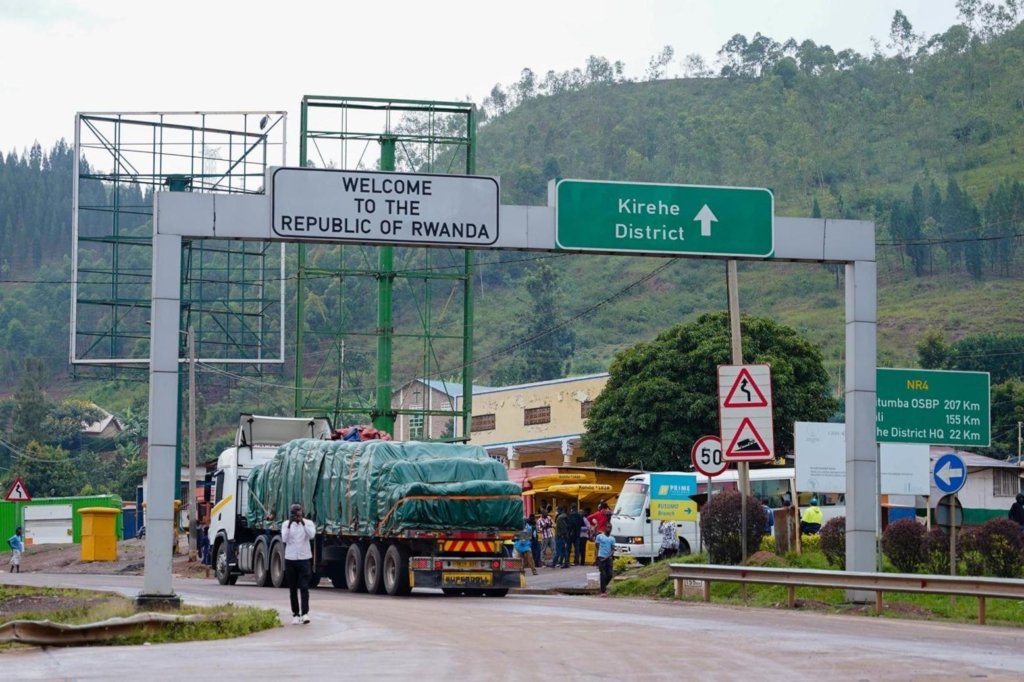
More than 600 trucks now cross the Rusumo One Stop Border Post every single day, making it one of the most active freight corridors in East and Central Africa. Yet despite the traffic volume, Rwanda’s private sector has been slow to fully capitalise on what is happening right at the country’s eastern doorstep and officials are running out of patience waiting for businesses to catch on.
Rwanda and Tanzania jointly upgraded Rusumo years ago replacing a cramped, single-lane bridge that could barely handle 53 tons with a two-lane structure now capable of carrying up to 180 tons, with speed limits increased from 5 km/h to 30 km/h.
The upgrade was funded by Japan’s development agency JICA and the African Development Bank. Alongside the bridge came a fully functioning One Stop Border Post, where both Rwandan and Tanzanian customs work under the same roof. Clearance time for goods now ranges from 30 minutes to two hours, depending on the consignment a dramatic improvement from the hours-long queues that used to define life at Rusumo.
This connects directly to Rwanda’s biggest trade artery
The Central Corridor accounts for nearly 80% of Rwanda’s imports and exports, serving as the country’s main link to the port of Dar es Salaam , according to John Bosco Kalisa, former CEO of the East African Business Council.
The Rusumo–Kayonza road part of the 208-kilometre Kagitumba–Kayonza–Rusumo national road ties the corridor together, connecting Rwanda to both Tanzania in the south and Uganda in the north. Since the road upgrade, accidents on that stretch have dropped by over 60%, and delivery times have improved significantly for cross-border traders.
The numbers tell a straightforward story about unrealised potential
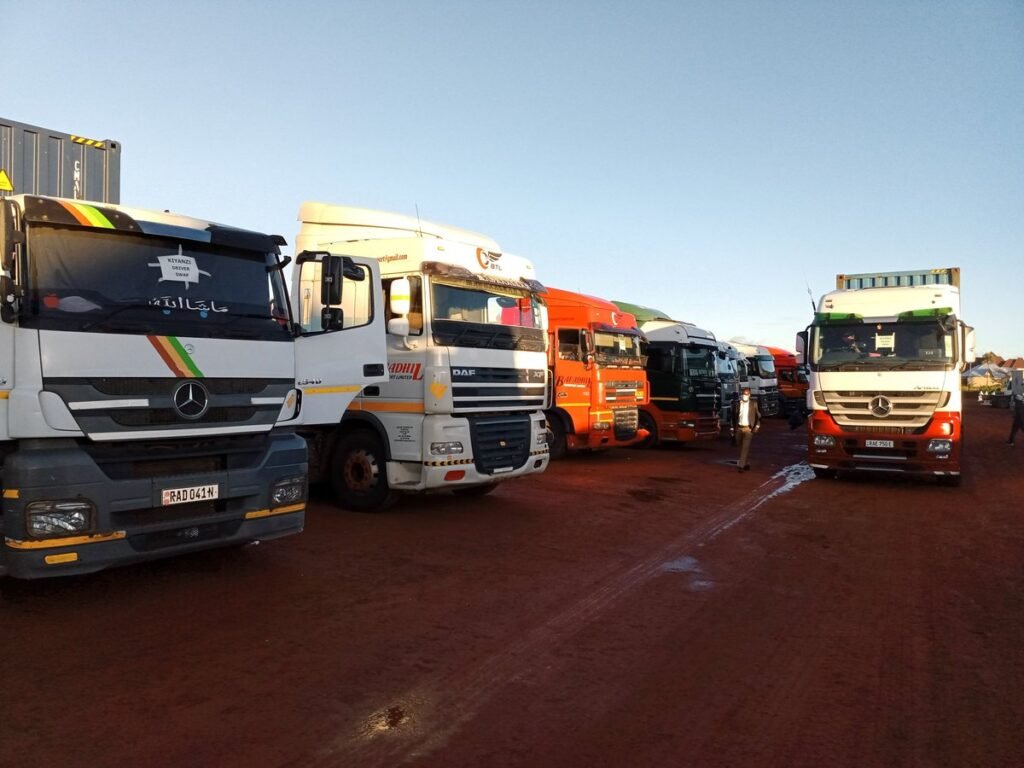
An average of 600 trucks cross the Rusumo border daily, but the private sector activity on the Rwandan side does not yet reflect that level of throughput. Truck drivers, meanwhile, face a separate and growing problem: from Rusumo all the way to Kigali, the only officially recognised parking area is in Rugende near Kabuga and even that facility has no sleeping amenities, forcing drivers to sleep in their vehicles.
A smaller lot in Rwamagana can fit no more than 10 trucks. For a corridor handling hundreds of vehicles daily, the gap in support infrastructure is glaring and it is costing time and money.
What comes next is likely a push on two fronts
First, pressure on Rwanda’s private sector particularly traders, logistics companies, and light manufacturers in Eastern Province to build the supply chains, warehousing, and service businesses that a 600-truck-a-day corridor demands.
Second, investment in truck parking, driver rest facilities, and border-adjacent commercial zones. Rwanda’s second National Strategy for Transformation explicitly targets doubling the value and volume of exports and Rusumo is one of the clearest entry points for getting there. The infrastructure investment has already been made. What Rwanda needs now is the commerce to match it.
About the Author