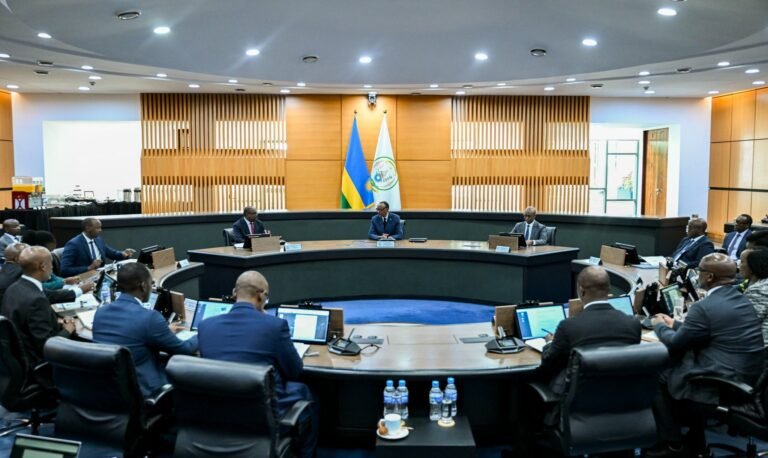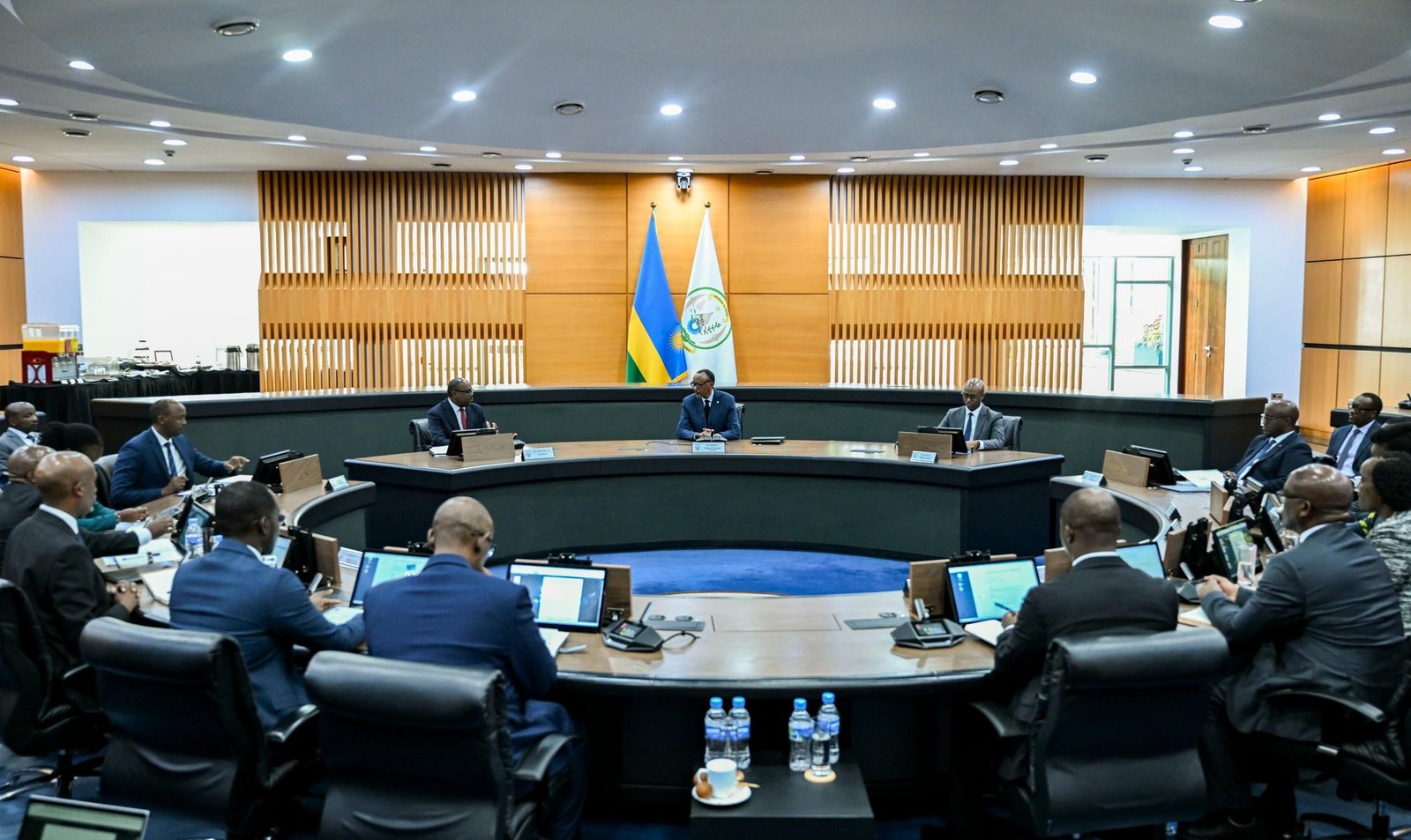
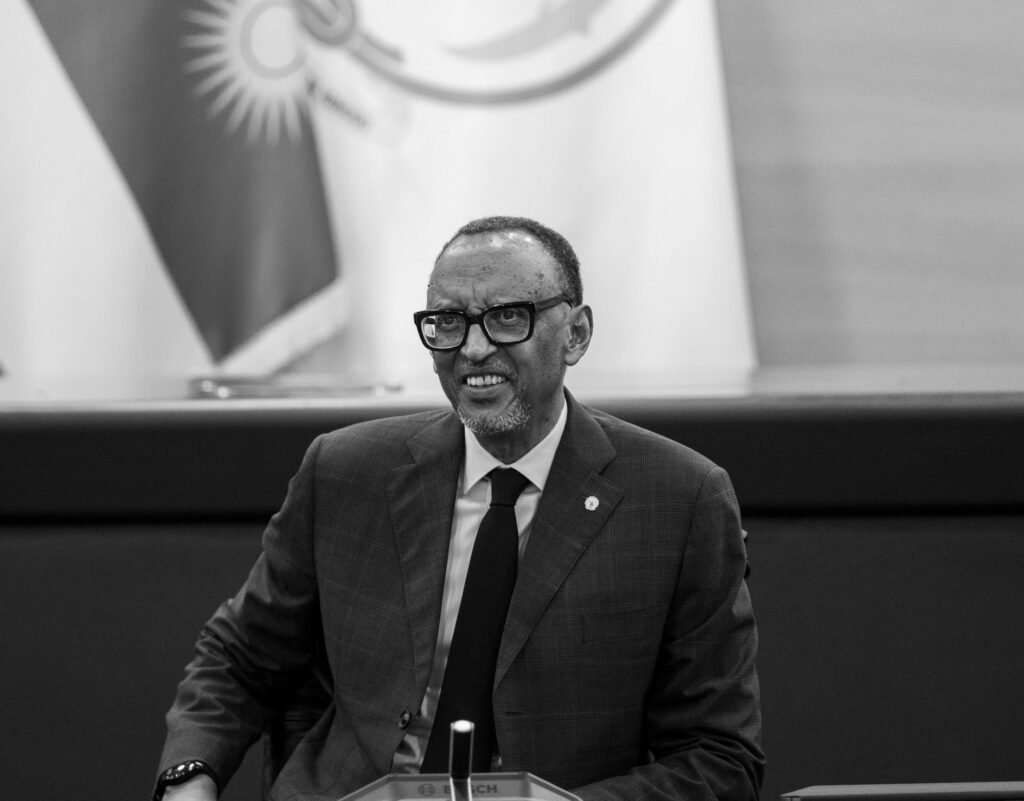
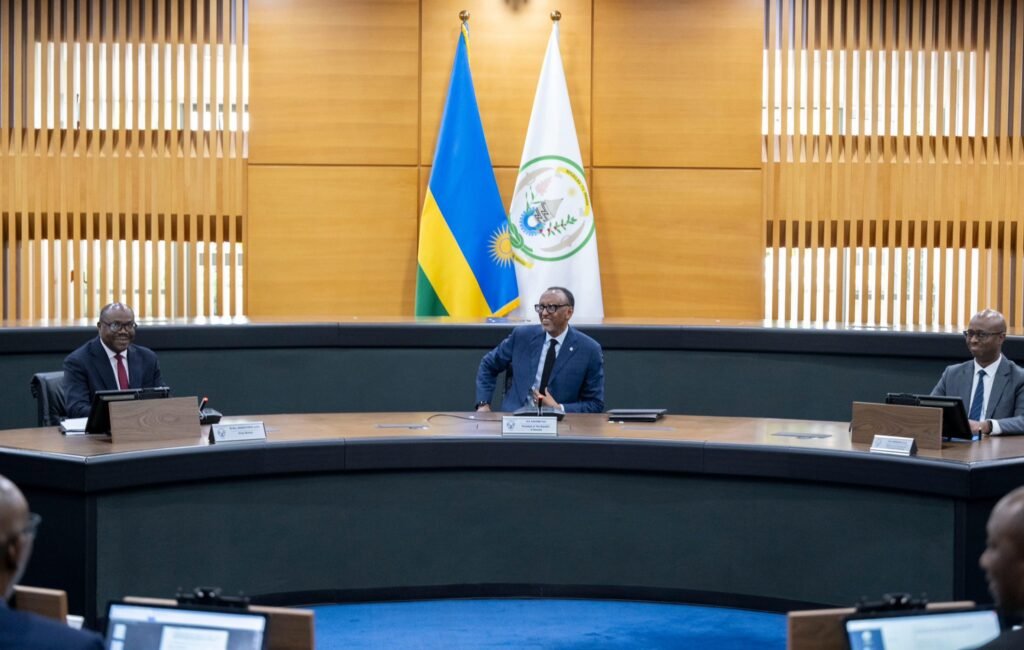
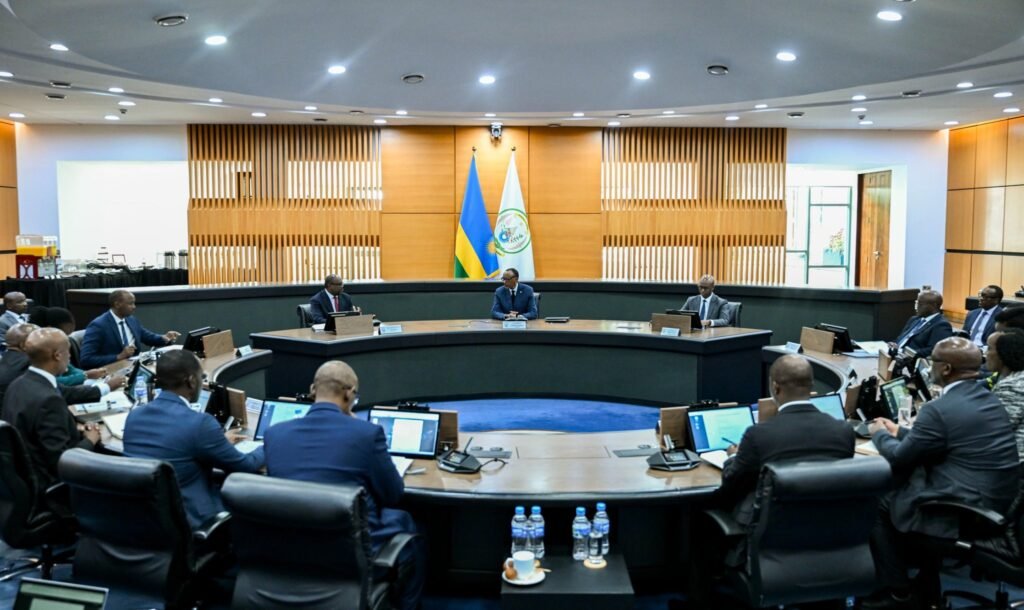
President Paul Kagame chaired a Cabinet meeting at Urugwiro Village this Thursday, April 2, 2026 — five days before the country enters its annual 100-day mourning period.
The session covered a wide sweep: Kwibuka preparations, the economic fallout from the Middle East conflict, new energy deals, foreign diplomacy, leadership appointments, and two of Africa’s most anticipated summits heading to Kigali in May.
Kwibuka 32: Cabinet calls on Rwandans to hold the line
The meeting opened with a briefing on preparations for the 32nd Commemoration of the Genocide against the Tutsi. The national commemoration week runs from April 7 to 13, 2026, observed in Rwanda and abroad under the theme “Remember, Unite, Renew.”
The communiqué called on all citizens to actively reject genocide ideology in all its forms, citing its “continued resurgence in the region and beyond.” On the ground, organizations including IBUKA and Unity Club Intwararumuri have already signed cooperation agreements to deepen remembrance efforts and strengthen national unity ahead of April 7.
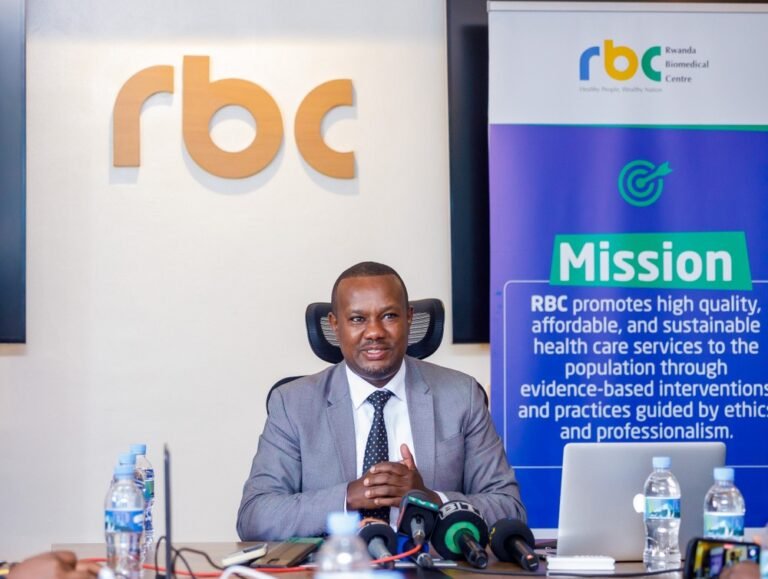
Health authorities are also on alert. Speaking at a press briefing held on the same day as the cabinet meeting, Dr. Darius Gishoma, head of the Mental Health Division at Rwanda Biomedical Centre, noted that trauma cases recorded during commemoration sites have dropped from over 4,000 during the 2010–2015 period to just over 2,000 today — a sign of resilience, but also a reminder that the healing process is still active.
Middle East, global prices, and Rwanda’s wallet
Cabinet also discussed the economic ripple effects of the ongoing Middle East situation — specifically its pressure on global energy and commodity markets.
The communiqué emphasized the need to “continuously sustain Rwanda’s macroeconomic stability and mitigate inflationary pressures.” That language, though diplomatic, reflects a real tension: Rwanda is a net importer of fuel, and any sustained spike in oil prices feeds directly into transport costs, electricity tariffs, and food prices for ordinary Rwandans. Cabinet said it wants citizens kept informed throughout this process, a signal that official messaging on economic conditions is being closely managed.
New energy deal: Methane gas gets a new player
One of the day’s most consequential decisions was the approval of a Power Purchase Agreement between the Government of Rwanda and G2P Energy Limited for electricity generation from methane gas.
Lake Kivu, straddling Rwanda’s western border with the DRC, holds an estimated 60 billion cubic meters of methane. Rwanda’s share of the lake’s generation potential is significant — the resource has been estimated to support around 350 MW of electricity over decades, and Rwanda has prioritized it as a critical domestic energy source.
G2P Energy joins an existing roster of operators at the lake — including KivuWatt and Shema Power Lake Kivu. The addition of a new investor signals Rwanda is accelerating its energy capacity push, particularly as it targets 5 gigawatts of installed capacity by 2050 in line with Vision 2050.
It also aligns with a broader strategy: diversify energy sources so that nuclear, hydro, solar, and gas all contribute to Rwanda’s grid rather than any single point of failure.
A lottery, a telecom deal, and the Asian Infrastructure Investment Bank
Cabinet also approved the National Lottery Operating Agreement between the Government and Moja Rwanda Limited — Rwanda’s national lottery getting a formalized operator structure.
A Partnership Agreement with Teleperformance Rwanda Limited was approved for investment in the telecom sector, signaling continued appetite for private investment in Rwanda’s digital infrastructure.
On the financing side, Cabinet approved ratification of a loan agreement with the Asian Infrastructure Investment Bank for Rwanda’s energy sector result-based financing, and a separate IDA financing agreement with the World Bank for Rwanda’s inclusive and resilient job creation development policy — two instruments targeting both energy access and employment at scale.
Diplomatic moves: Mauritania, Grenada, Ireland
Cabinet granted agrément to three new foreign representatives
El Houssein Nagi as Mauritania’s Ambassador to Rwanda (based in Addis Ababa), Irene Ndikumwenayo as Honorary Consul of Grenada, and Hugh Delaney as Honorary Consul of Ireland.
These are routine diplomatic acknowledgments, but the Ireland and Grenada consular posts reflect Rwanda’s expanding soft-power footprint — particularly in the Caribbean and European spheres where Rwandan diaspora and trade relationships are quietly deepening.
Who got appointed
Cabinet signed off on a round of leadership appointments. The Rwanda Cooperation Initiative got a new CEO in Niwenshuti Richard and a new COO in Tubane Chance.
At the Rwanda Development Board, Nsengiyumva Joseph Cedrick was named Chief Corporate Affairs Officer and Kayibanda Richard as Chief Licensing Officer — two roles central to RDB’s mandate of attracting and managing investment.
The Office of the Ombudsman gained Mbabazi Judith as Deputy Ombudsman for Preventing and Fighting Injustice. Across security and justice institutions, appointments were confirmed at the Rwanda Correctional Service, the National Electoral Commission, and the National Public Prosecution Authority.
May is going to be busy: Two Africa-defining summits come to Kigali
Buried at the end of the communiqué under “Any Other Business” were two announcements that deserve a much larger headline.
First, the Rwanda Development Board informed Cabinet that the 12th edition of the Africa CEO Forum will be held in Kigali on May 14–15, 2026, bringing together over 2,500 CEOs, heads of state, ministers, and business leaders under the theme “The Scale Imperative: Why Africa Must Embrace Shared Ownership.”
Second, and arguably more geopolitically significant: the Ministry of Infrastructure informed Cabinet that Kigali will host the 2026 Nuclear Energy Innovation Summit for Africa (NEISA) from May 18 to 21 — a continental forum focused on financing, regulatory readiness, and nuclear workforce capacity.
The timing of both summits in the same month is not accidental. At the Paris Nuclear Energy Summit in March, President Kagame announced NEISA 2026 and said “Rwanda is ready to do what it takes to power our development with nuclear energy,” emphasizing small modular reactors as especially suited to Africa’s requirements.
NEISA 2026 is organized in collaboration with the IAEA, the UN Economic Commission for Africa, the Nuclear Energy Agency, and the World Nuclear Association.
For Rwanda, back-to-back mega-summits in May signal a deliberate positioning: the country is not just a stable venue for Africa’s conversations — it increasingly wants to shape them.
About the Author