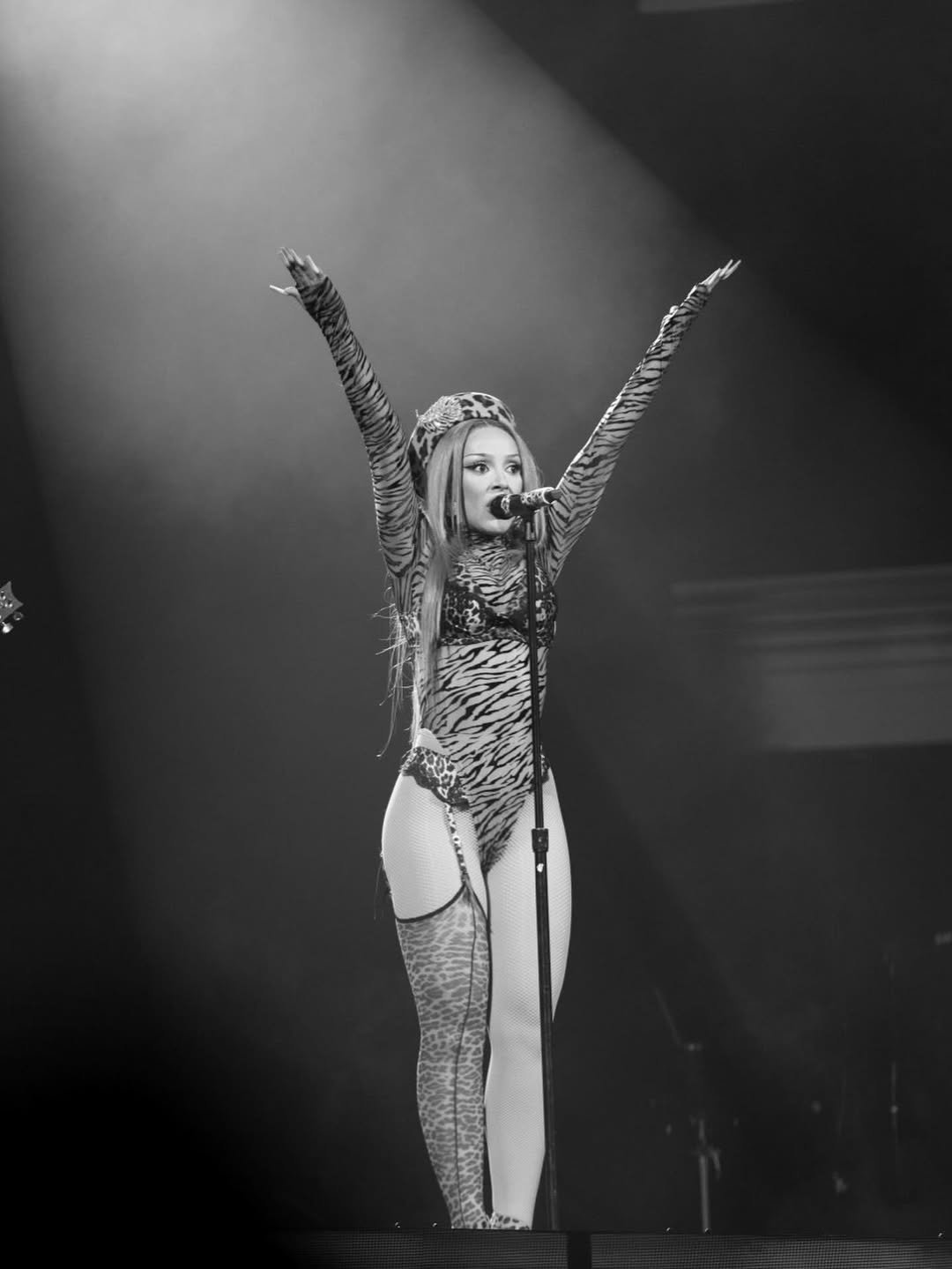
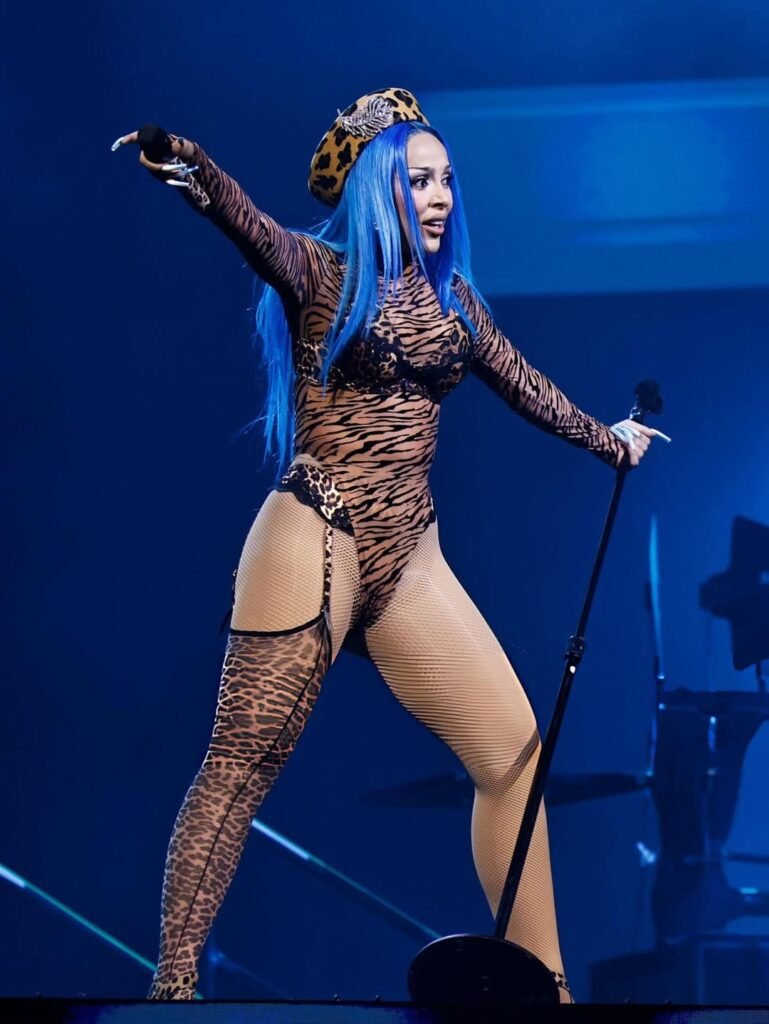
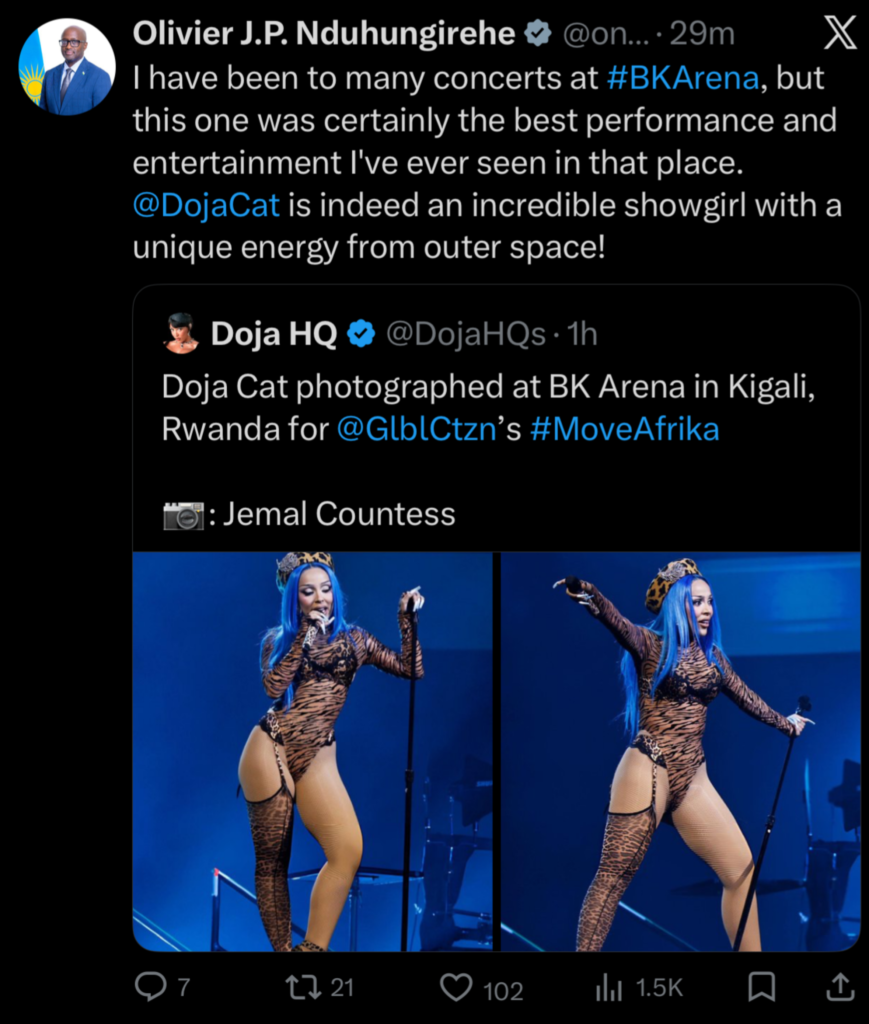
KIGALI – RWANDA Doja Cat performed at BK Arena in Kigali on the night of March 17, headlining the third edition of Move Afrika Global Citizen’s touring concert series and left at least one senior government official speechless. Rwanda’s Minister of Foreign Affairs, Olivier Nduhungirehe, was in the crowd and did not hold back.
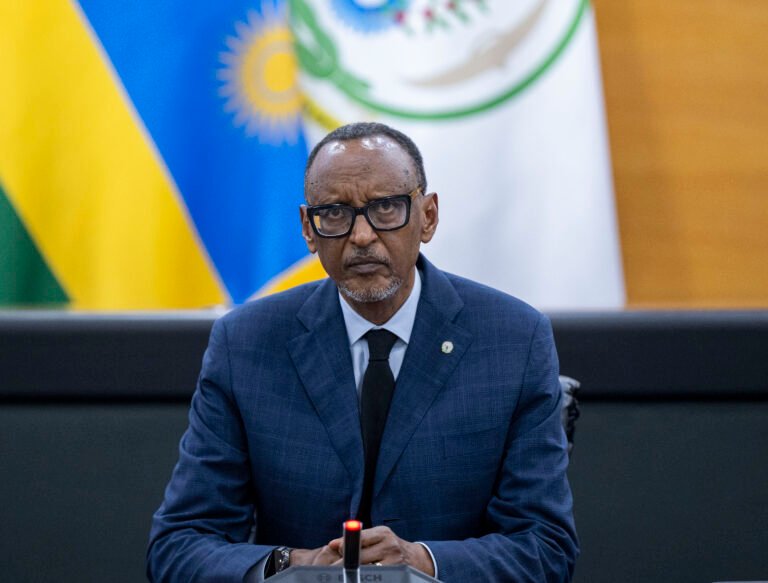
“I have been to many concerts at BK Arena,” he wrote on X, “but this one was certainly the best performance and entertainment I’ve ever seen in that place. Doja Cat is indeed an incredible showgirl with a unique energy from outer space.”
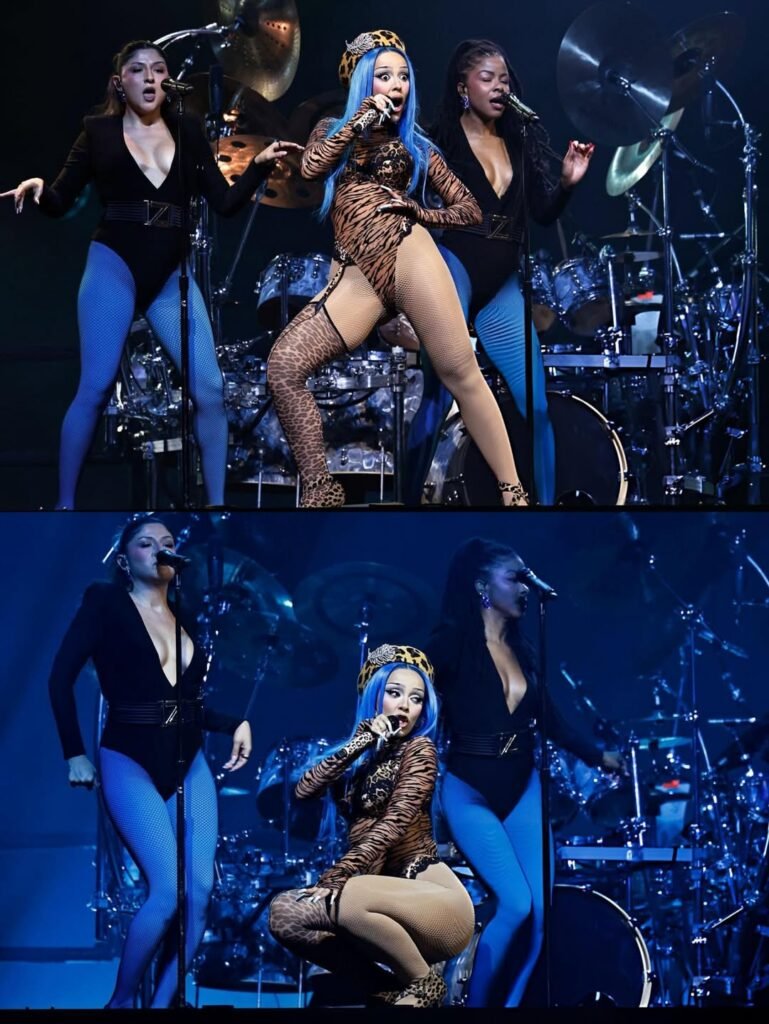
The stage at BK Arena was built for spectacle. Doja Cat performed under a towering LED setup that shifted colour with every act, moving through a 26-song setlist that left little room to breathe. She opened with Gorgeous and Get Into It (Yuh) before pulling the crowd through Woman, Say So, Paint the Town Red, and Agora Hills.
The night included collabs-on-record brought to life, Kiss Me More and Take Me Dancing, both featuring SZA, landed among the loudest moments of the evening.
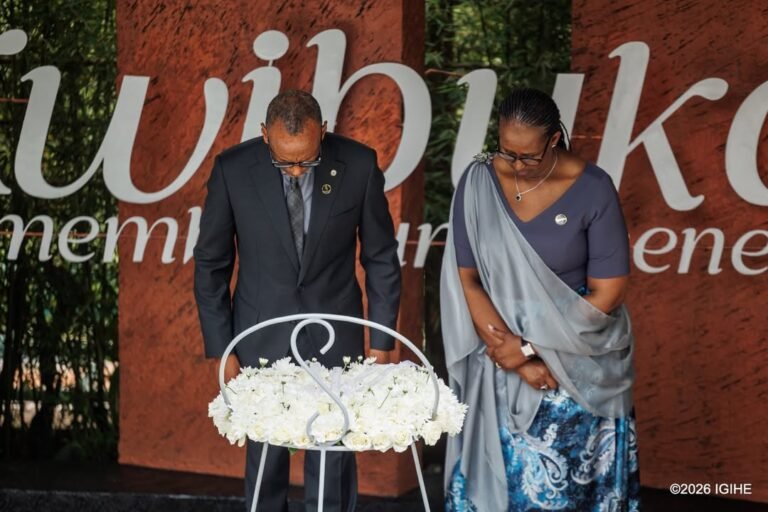
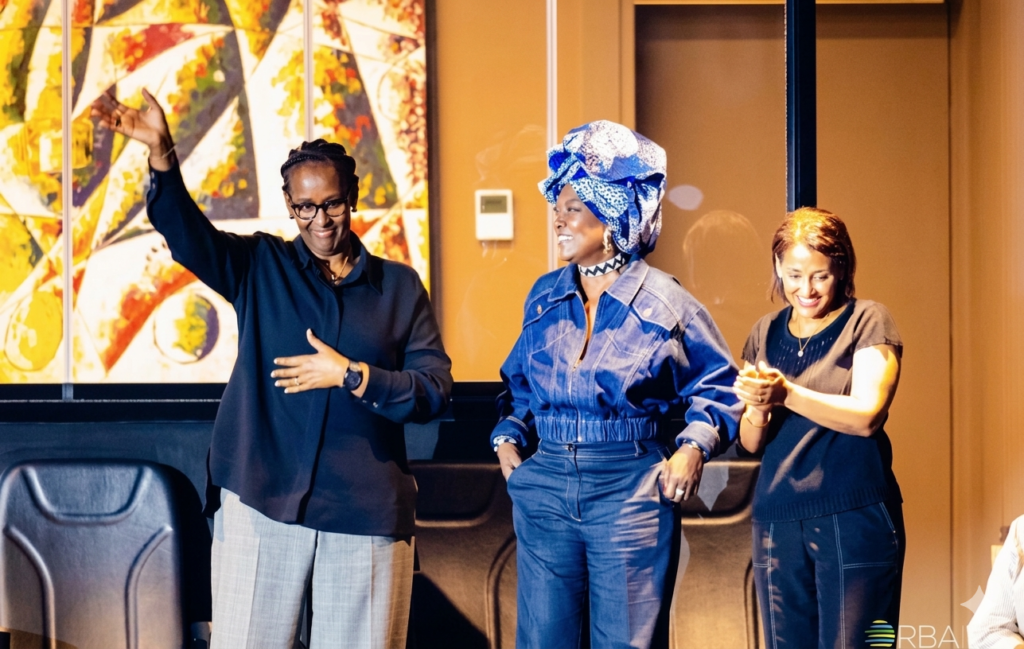
Among those present was Her Excellency the First Lady Madame Jeannette Kagame, whose attendance spoke to the significance of the night beyond music alone. Kigali was her only East African stop on the Tour Ma Vie World Tour a global run that started in Auckland last November and ends at Madison Square Garden in December. She treated it like a headline show, not a stopover.
DJ Iraa, Kigali’s own, warmed up the arena before Doja Cat took over. The pairing of a local name and a global headliner was a deliberate Move Afrika choice and it worked. By the time Doja Cat hit the stage, BK Arena was already at full temperature.
This is the third consecutive year that Move Afrika has brought a global superstar to Kigali. Kendrick Lamar headlined the inaugural show in 2023, followed by John Legend in 2025.
The series is run by Global Citizen, a platform dedicated to ending extreme poverty and advancing social justice, and it has made BK Arena one of the most talked-about live music venues on the continent.
Doja Cat herself framed the moment clearly before arriving: “Africa isn’t coming, it’s already here.” For Rwanda, this is bigger than one night of music. Kigali has quietly built a reputation as Africa’s events capital, hosting heads of state, global summits, and now back-to-back world-class concerts.
Having a sitting Foreign Minister publicly rave about a Doja Cat show is not a small thing. It signals a government that is comfortable projecting both hard diplomacy and soft power in the same breath.
Move Afrika also brings jobs, local production contracts, and visibility for Rwandan artists — with the series explicitly building toward a pan-African touring circuit that places African cities at the center of global entertainment.
Doja Cat heads to Pretoria next, performing at SunBet Arena on March 20. But Kigali has already made its mark. If Move Afrika keeps this momentum, expect the conversation around Rwanda as Africa’s premier live events destination to get louder and expect more government officials to be seen in the front row.
ALSO READ: RWANDA: Doja Cat in Kigali as HRF attempt to block MoveAfrika fails again
The show went ahead despite a formal open letter from the Human Rights Foundation urging Doja Cat to cancel, marking the second consecutive year that HRF’s pressure campaign against a major Rwanda concert has fallen completely flat.
HRF made the same move in 2025 when John Legend performed in Kigali on February 21, pressuring him to cancel before his Move Afrika appearance. Legend performed anyway to a packed BK Arena. This year, HRF wrote directly to Doja Cat warning her about performing in Kigali as part of the Move Afrika tour, describing the event as being anchored in partnership with the Rwanda Development Board.
The Foundation also took to X urging its followers to pressure her to pull out, calling the concert a platform for what it described as a “warmongering dictator.” Doja Cat did not respond publicly, and she did not cancel.
HRF’s pattern on Rwanda is becoming predictable. The organisation has sent similar letters and social media campaigns targeting artists performing in Rwanda before, each time framing the country in extreme terms while critics argue the campaigns rely on fabrications and the work of figures linked to genocide ideology.
For Rwanda, the optics are straightforward. A New York-based foundation writes letters. Global superstars keep coming. Move Afrika, built in partnership with pgLang and Kendrick Lamar, is now actively working toward the first pan-African music touring circuit, with Kigali as its anchor city.
That vision is advancing regardless of HRF’s objections.HRF will almost certainly write another letter next year. But as long as Kigali keeps filling arenas and Rwanda’s reputation as Africa’s premier live events destination grows stronger, those letters are looking less like advocacy and more like noise. The question now is whether any artist will ever actually listen and based on the last two years, the answer appears to be no.
About the Author