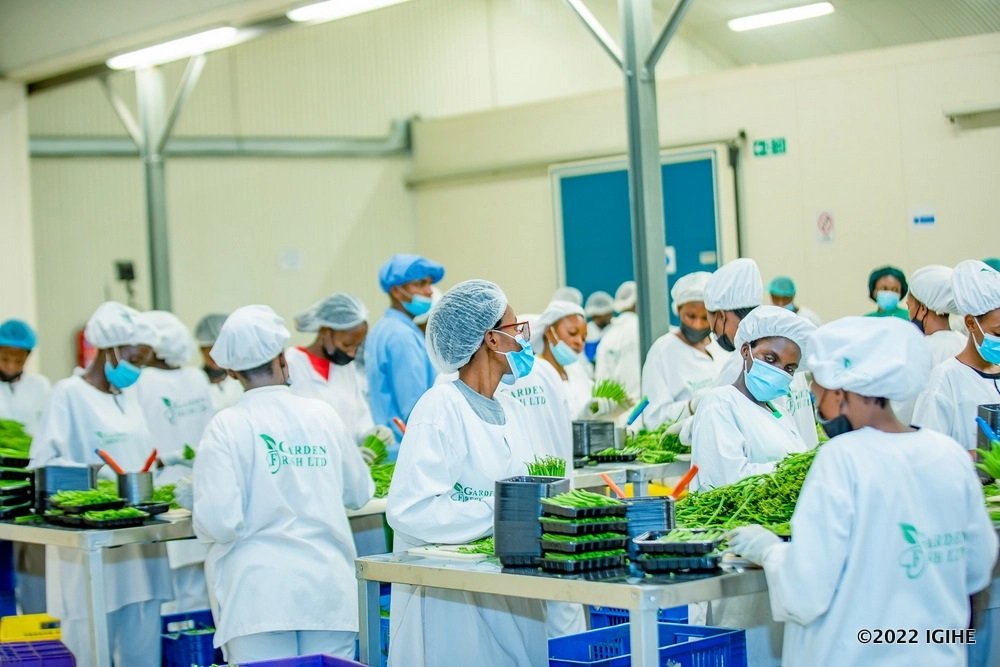
Rwanda generated more than $10 million in export revenues within five days, between Mach 2-6, 2026 , highlighting the continued growth of the country’s agricultural export sector.
According to data released by the National Agricultural Export Development Board (NAEB), the exports were largely driven by key agricultural products including coffee, tea, horticultural crops, and other high-value produce that are increasingly gaining traction in international markets.
Officials say the figures reflect the steady expansion of Rwanda’s export capacity and the rising global demand for the country’s agricultural products.
Over the past decade, the government has prioritized investments in agriculture, focusing on improving production quality, increasing value addition, and expanding access to foreign markets.
Coffee and tea remain among Rwanda’s most important export commodities, contributing significantly to foreign exchange earnings. At the same time, the country has been working to diversify its agricultural exports by promoting products such as fresh fruits, vegetables, flowers, and spices.
NAEB has also intensified efforts to support farmers and exporters through improved training, better supply chains, and stronger international marketing initiatives.
These efforts aim to ensure that Rwandan products meet global quality standards while increasing competitiveness in international markets.
Economists say the growth in export revenues is a positive indicator for Rwanda’s broader economic ambitions. The country has been implementing policies designed to reduce reliance on imports while strengthening export-led growth, a strategy that is central to its long-term development plans.
Agriculture remains a critical pillar of the Rwandan economy, employing a large share of the population and contributing substantially to national income.
With continued investment in productivity, logistics, and value addition, authorities expect the sector to generate even higher export revenues in the coming years.
About the Author