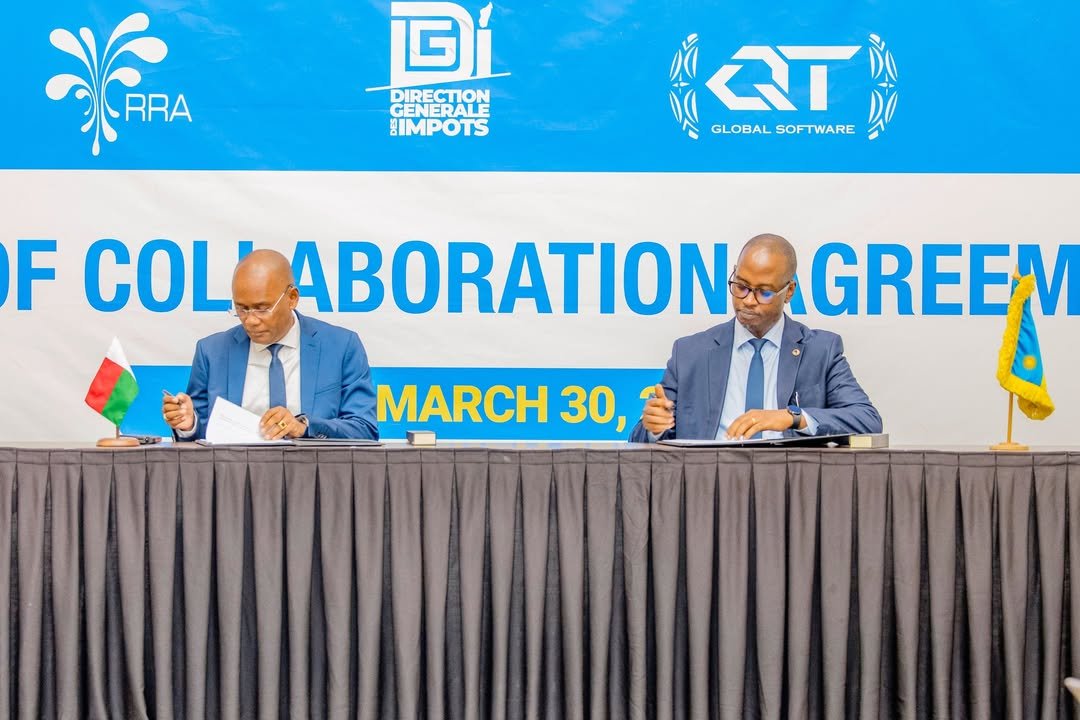
Rwanda’s tax authority has formalized a partnership with Madagascar’s General Directorate of Taxes, signing a Memorandum of Understanding in Kigali that will see Rwanda share its electronic invoicing technology with the Indian Ocean island nation.
The agreement was signed between RRA Commissioner General Ronald Niwenshuti and his Malagasy counterpart Edmond Rafaralahy. Under the MoU, Rwanda will share its technological experience in tax administration and transfer its Electronic Billing Machine system commonly known as EBM to Madagascar, paving the way for the island nation to modernize how it collects and tracks tax revenues in real time.
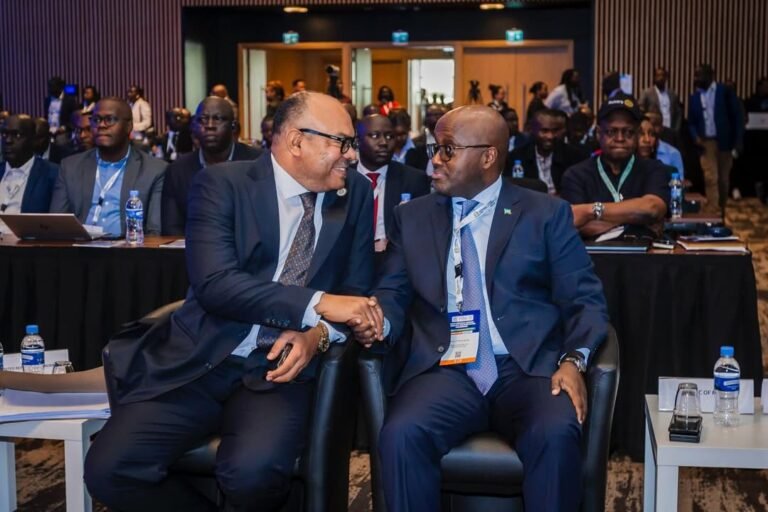
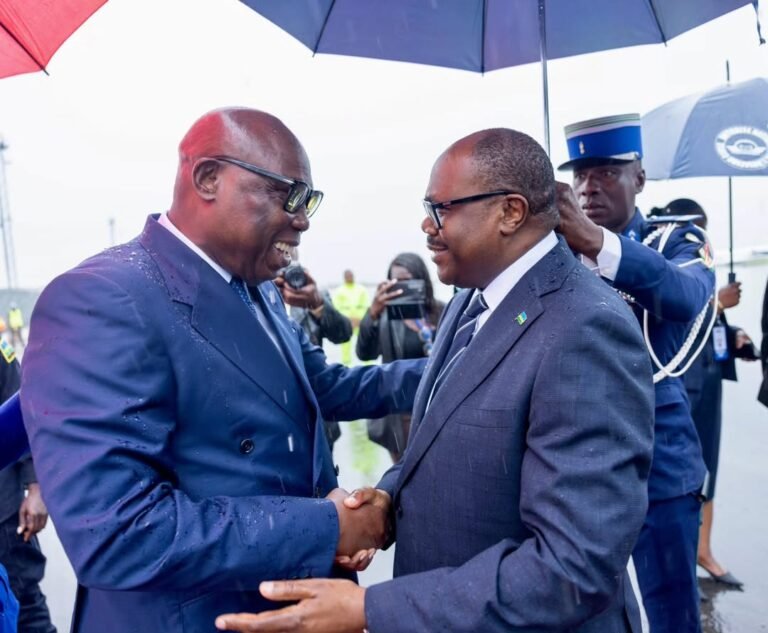
The Commissioner General of RRA ,Ronald NIWENSHUTI, highlighted that the signing of the MoU between RRA and DGI of Madagascar reflects the strong spirit of cooperation and mutual trust between the two countries and their respective tax administrations.
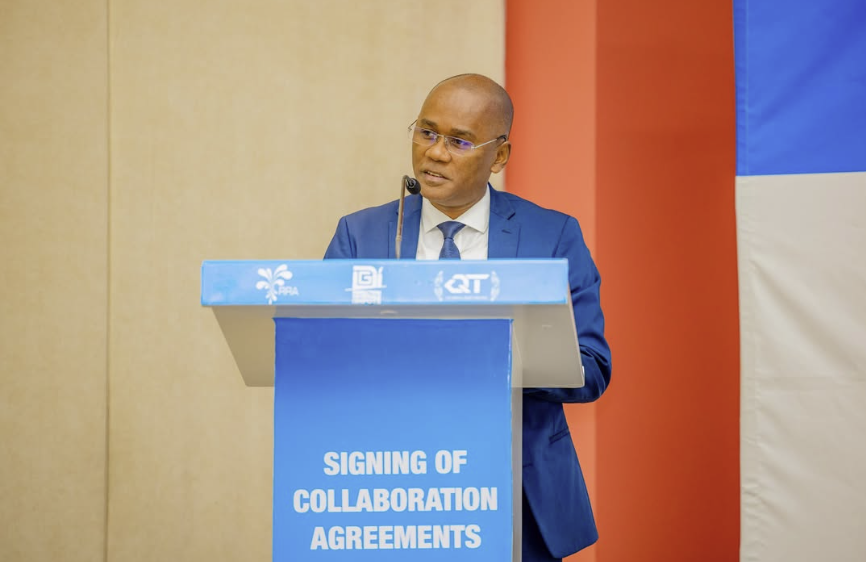
He noted that both sides share a commitment to strengthening domestic resource mobilization through innovation, efficiency, and the effective use of technology. While The Director General of the DGI of Madagascar emphasized the significance of this cooperation in ensuring the interoperability of their systems, safeguarding data integrity from the point of sale, and proactively addressing potential technical maintenance challenges.
Rwanda’s EBM system, which RRA began rolling out in 2013, digitizes the entire invoicing chain recording certified invoice data and transmitting it to RRA in real time . Its stated purposes include combating tax evasion, reducing corruption in the tax system, and leveling the playing field for businesses. The system has since been upgraded to EBM 2.0 and is now mandatory for all VAT-registered businesses in Rwanda.
The MoU comes at a time when Madagascar has been under pressure to shore up its domestic revenue base. Poor compliance among taxpayers remains a major reason for the country’s historically low tax collection, making revenue mobilization a high government priority.
Madagascar has been gradually expanding digital tools to strengthen tax revenues, including mobile payment platforms for synthetic taxes and an online tele-declaration platform. But the country has yet to deploy a real-time electronic invoicing infrastructure comparable to Rwanda’s.
For Rwanda, the deal marks a step beyond domestic tax reform it positions Kigali as a reference point for tax modernization on the continent. RRA has over the past decade built one of Africa’s most digitized revenue administrations, and this partnership signals that other African governments are now looking to replicate it.
Rwanda’s model combining digital compliance tools with enforcement has drawn interest from regional counterparts before, but this MoU with Madagascar is among the clearest expressions of Rwanda’s emerging role as a tax technology exporter in Africa.
The next step will be implementation. Rwanda will likely deploy technical teams to support Madagascar in adapting the EBM architecture to local conditions, including its legal and IT infrastructure.
How fast Madagascar integrates the system will depend on political will and the capacity of its tax directorate but the framework for that transfer is now formally in place.
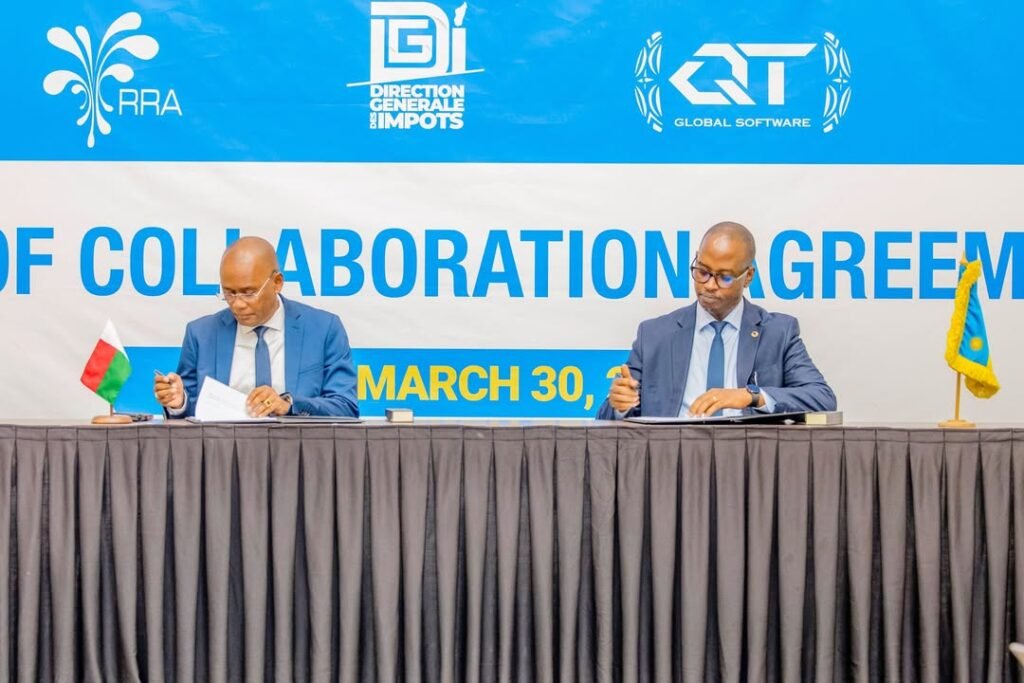
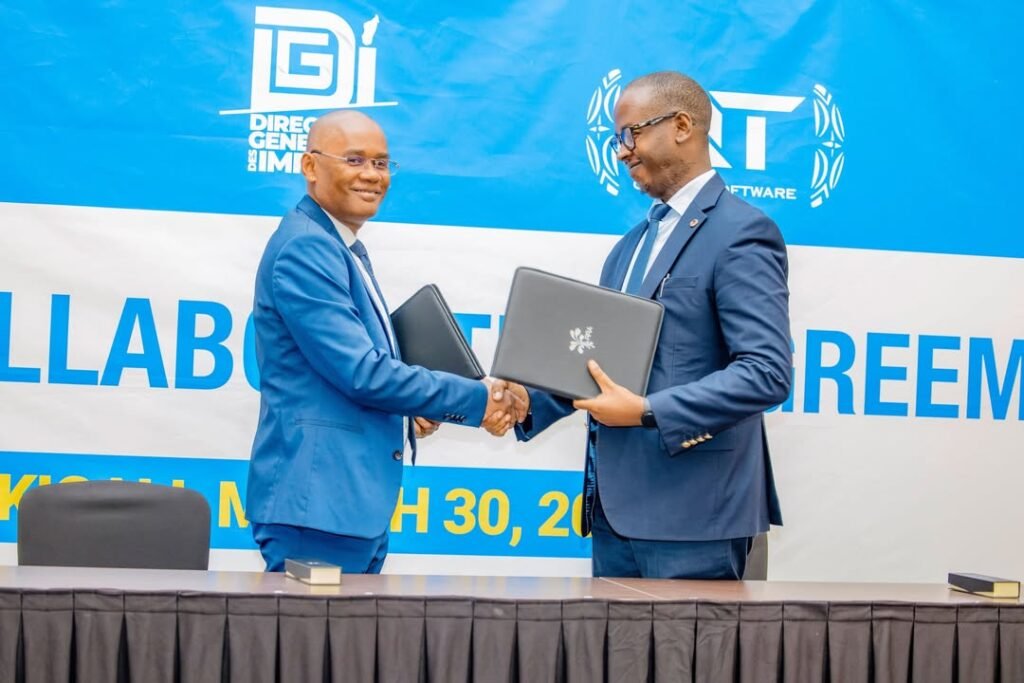
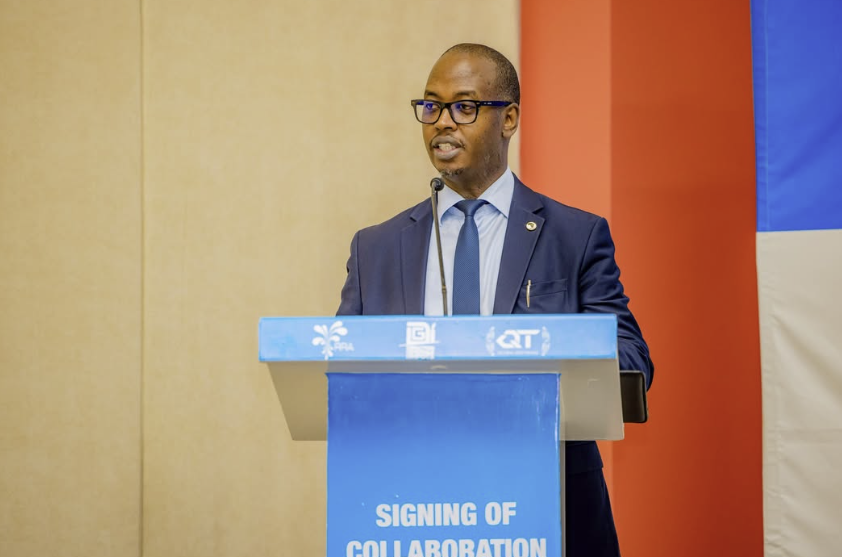
Ronald NIWENSHUTI noted that both sides share a commitment to strengthening domestic resource mobilization through innovation, efficiency, and the effective use of technology.[Courtesy]
About the Author