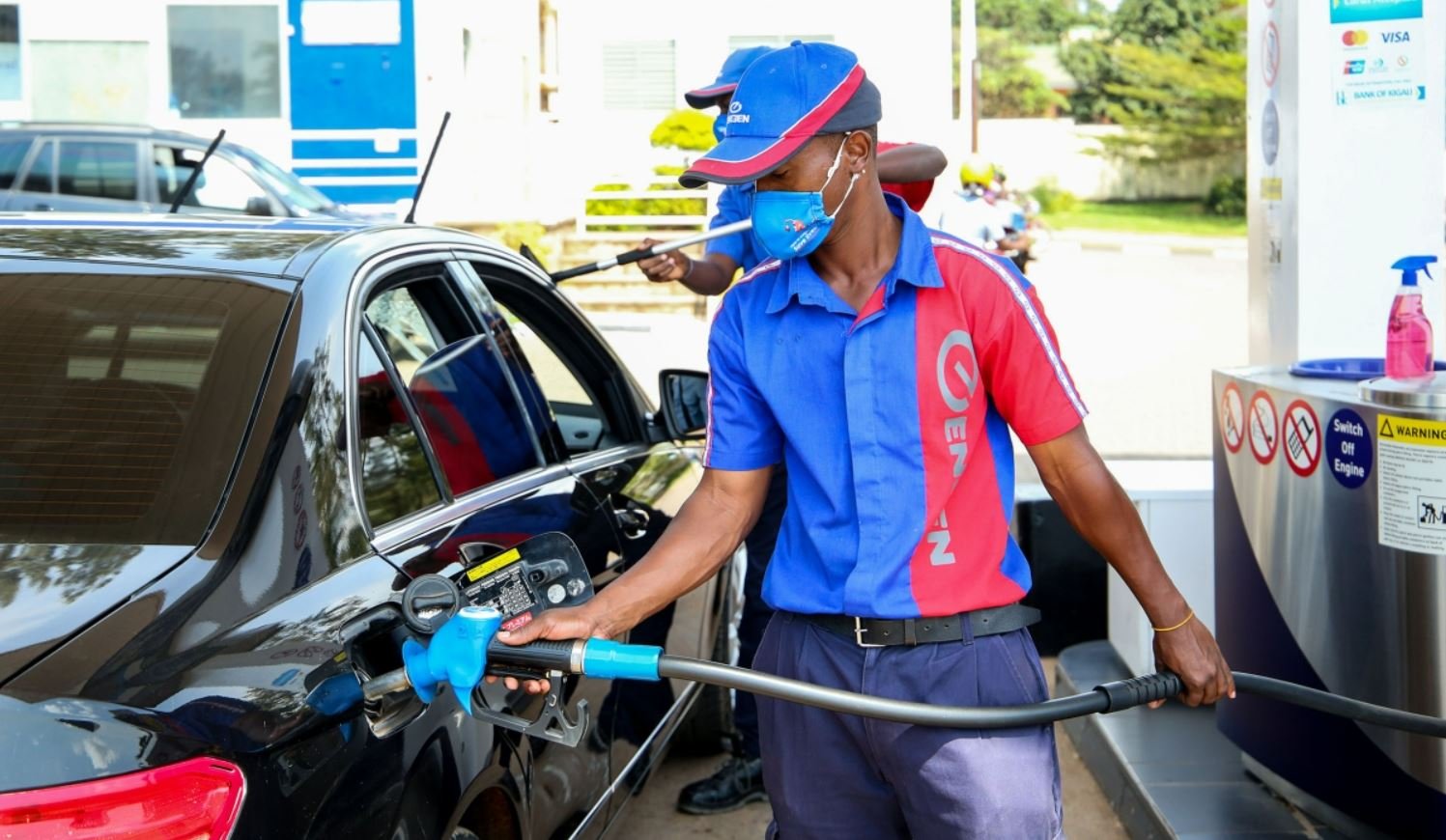
Petrol and diesel in Rwanda have hit their highest prices ever, and the government is asking citizens to think twice before getting behind the wheel.
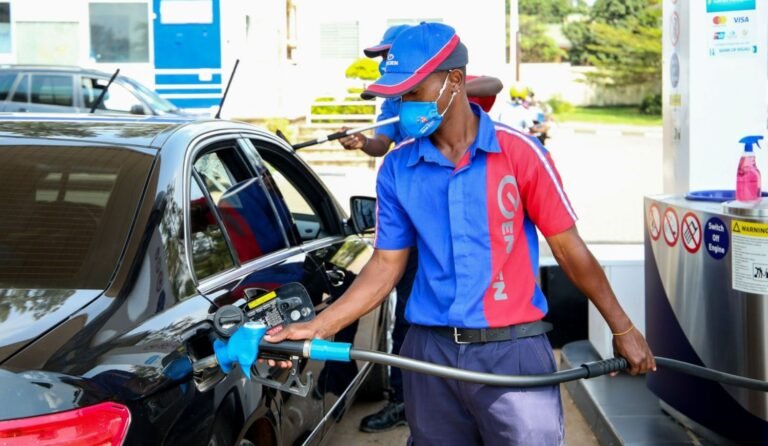
Rwanda’s energy regulator RURA announced new fuel prices on April 3, effective April 4 petrol now costs Rwf2,303 per litre and diesel Rwf2,205 per litre. The last adjustment had been on March 4, 2026, when petrol stood at Rwf1,989 and diesel at Rwf1,948 meaning within a single month, prices have jumped over Rwf300 per litre.
RURA urged the public to plan travel efficiently, use public transport, and avoid unnecessary trips to reduce fuel consumption.
The cause is global, but the impact is very local
As of April 3, the price of a barrel of crude oil on the international market had reached $112.4, up from around $70. The ongoing conflict involving the United States, Israel, and Iran now in its second month has led to the blockage of the Strait of Hormuz, a critical passage through which 20% of the world’s daily oil supply flows.
Prime Minister Dr. Justin Nsengiyumva addressed the press directly on April 3. “This issue is affecting international trade, particularly in energy and transport, and has already caused noticeable changes in global market prices, especially for petroleum products and gas,” he said. He added that Rwanda’s exports are also taking a hit, with trade routes including those to the United Arab Emirates already disrupted.
A joint policy brief by the African Union, the UN Economic Commission for Africa, and UNDP warns that Africa could lose at least 0.2 percentage points in GDP growth in 2026 if the conflict persists, with Rwanda among the countries already adjusting to rising fuel and transport costs.
For ordinary Rwandans, the numbers hit hard
Bus fares have been revised upward alongside the fuel prices. In Kigali, passengers now pay Rwf59.28 per kilometre, while intercity travel costs Rwf41.58 per kilometre. The longest bus routes like Nyabugogo to Kamembe via Huye now cost Rwf11,445 one way. For workers, market vendors, and families already stretched by rising costs, these are real, daily adjustments.
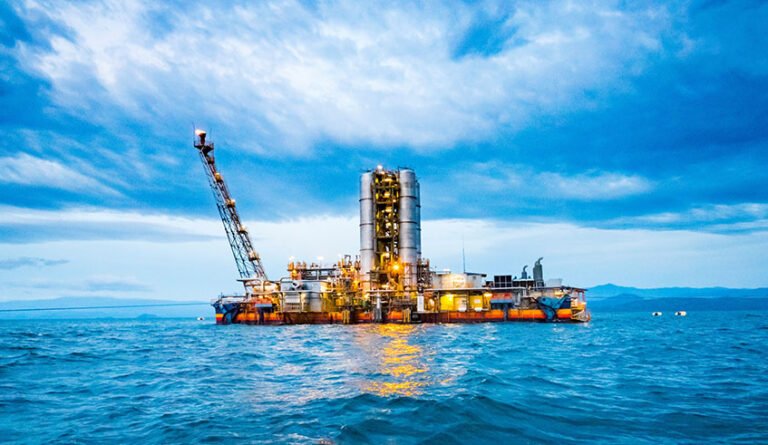
The fuel crisis also underlines the urgency of two projects Rwanda has already set in motion: the Lake Kivu methane gas plant targeting 2028 for cooking gas production and the government’s push to expand electric vehicle financing, which I&M Bank and RwandaMotor ltd unveiled just days ago. Neither solution arrives in time to cushion this shock, but both now carry extra political weight.
The AU-UN brief notes that currencies in 29 African countries have already depreciated, increasing the cost of imports and external debt servicing. If the Hormuz blockade persists, a third fuel price revision in as many months becomes likely.
Rwanda has limited leverage over global oil markets, but the government’s immediate message to citizens plan your trips, share rides, cut waste is both practical advice and a signal that no quick fix is coming from the top.
About the Author