April 7, 2026 | Kigali
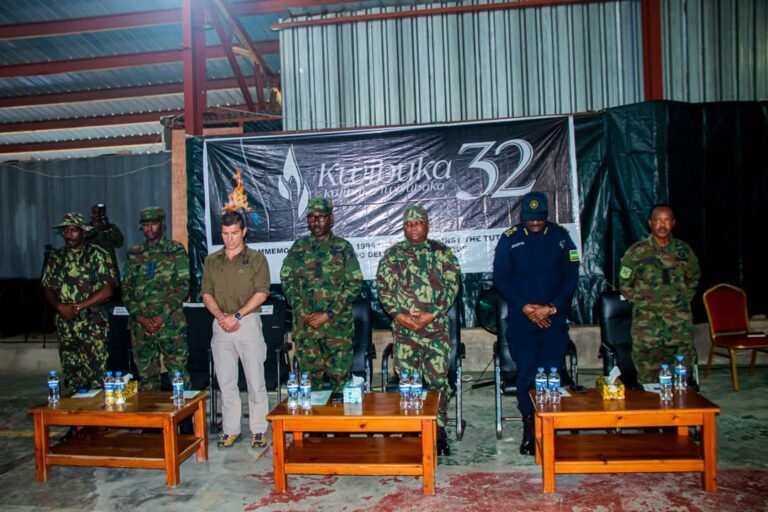
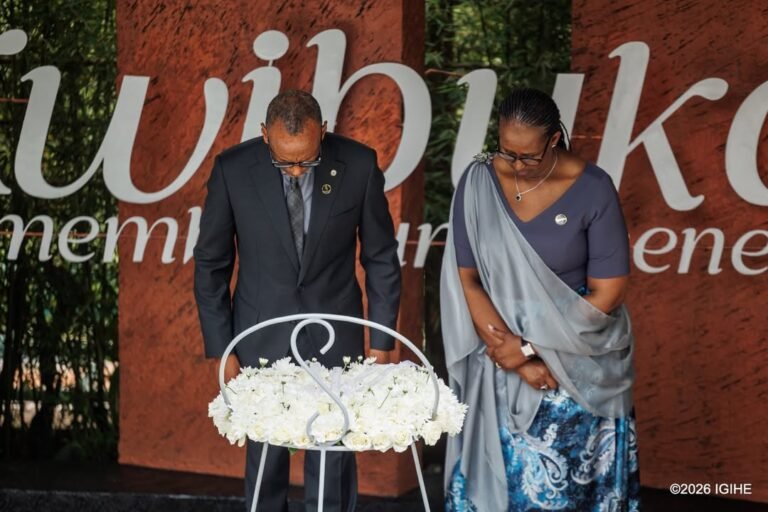
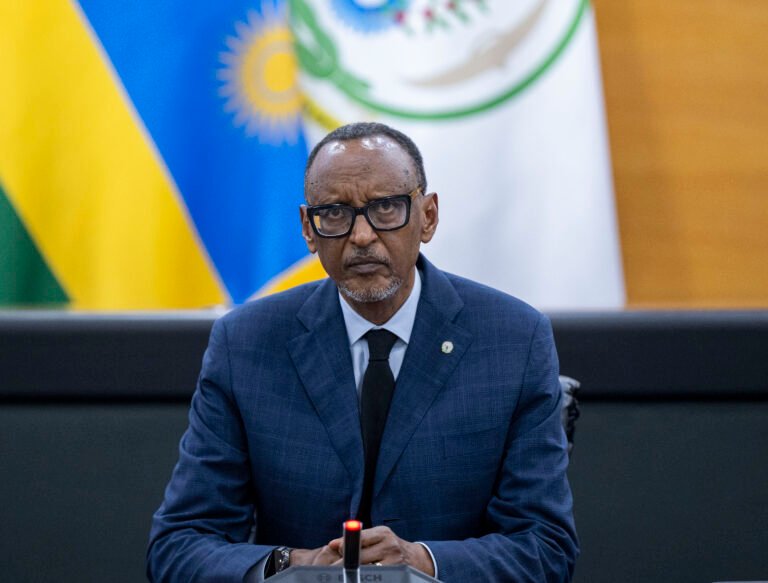
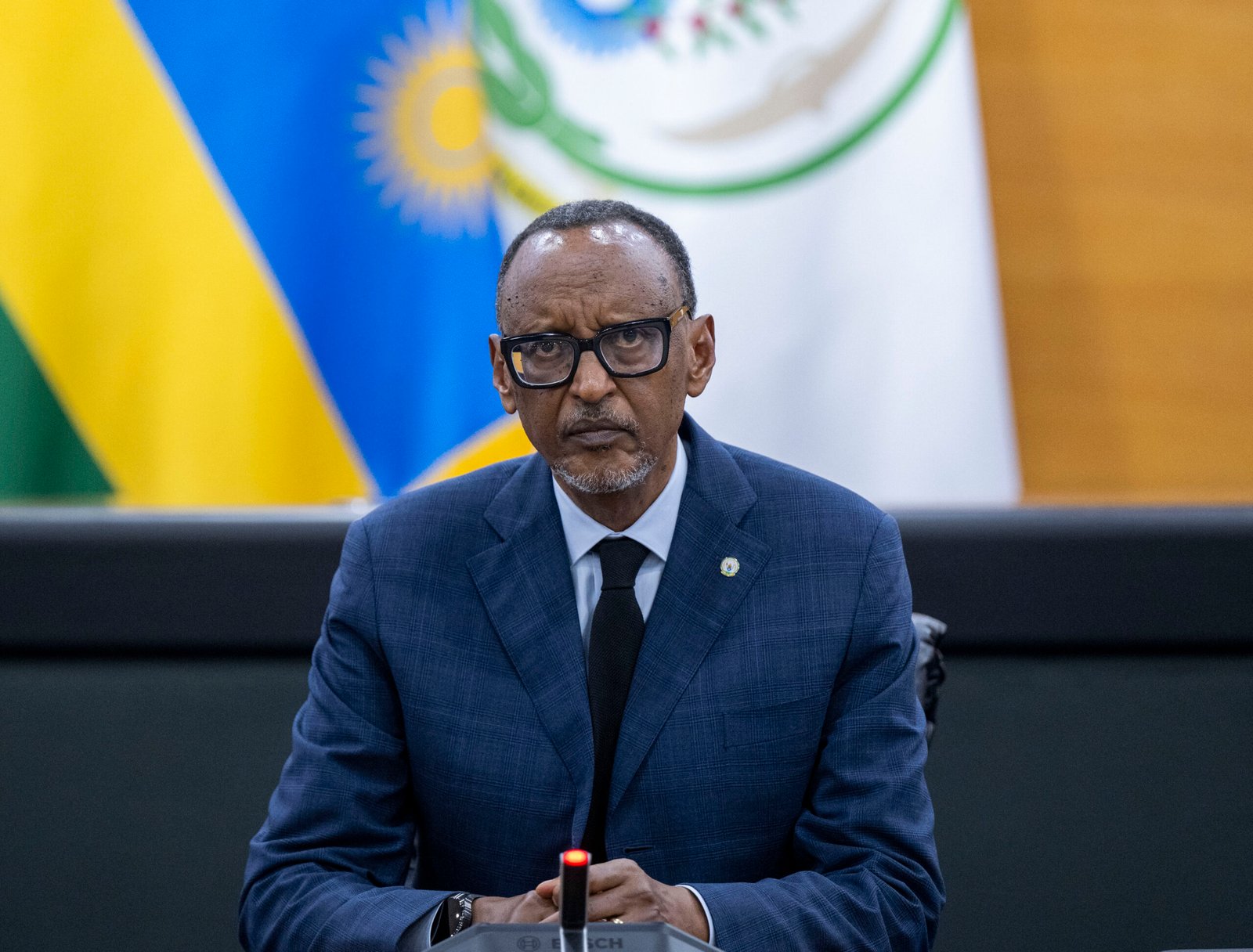
Rwanda’s President Paul Kagame used the Kwibuka 32 commemoration to deliver a direct challenge to Africa’s collective institutions, saying they failed to respond in 1994, that the continent now accounts for the majority of the world’s active conflicts, and that the same moral passivity that enabled genocide is visible again today.
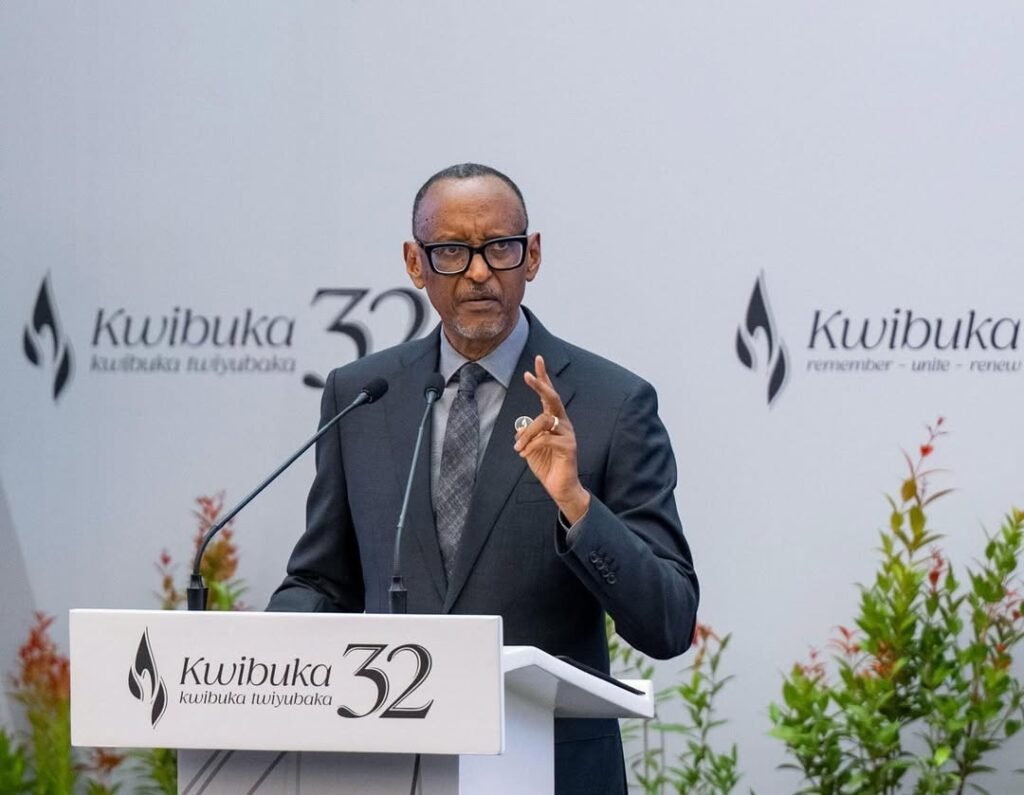
Speaking at the national ceremony in Kigali on Tuesday, President Kagame said: “In 1994, Africa’s collective institutions also failed to respond.” He framed the observation not as a grievance against the past but as a warning for the present, connecting it explicitly to what he described as ongoing and unchecked violent extremism in Rwanda’s region.
“The call for African sovereignty, legitimate and necessary as it is, must also mean that African institutions act decisively when Africans are at risk,” he said. He went further: bad actors must not be allowed to shelter behind the principle of sovereignty to evade accountability for abuses or deny citizens their rights.
President Kagame argued that Africans, more than most, should understand the cost of passivity in the face of hatred and violent extremism. “Our continent accounts for the majority of the world’s active conflicts,” he said. The parallel he drew was uncomfortable: a continent that invokes its own sovereignty and self-determination cannot simultaneously remain indifferent when those principles are weaponized against its own people.
The African Union Commission organized its own Kwibuka 32 ceremony at its headquarters in Addis Ababa on April 7, 2026, framing the commemoration as an opportunity to reaffirm Africa’s collective commitment to preventing genocide and safeguarding human rights. President Kagame’s remarks in Kigali offered a sharper version of that same commitment, one that names institutional failure by name and calls for action rather than statements.
The speech comes at a moment when the African Union is navigating one of its most complex regional challenges: the conflict in eastern DRC, where competing forces, regional interests, and a fragile peace process have tested the limits of African diplomatic capacity. Rwanda and the DRC are parties to an ongoing Washington-brokered peace process, but the process remains contested and the underlying security dynamics have not been resolved.
President Kagame’s challenge to African institutions is not new, he has raised it consistently across years of Kwibuka speeches and regional forums. But the timing and framing on Tuesday carried particular force: delivered at the start of a 100-day mourning period, with genocide ideology still circulating in the region, and with Rwanda facing international sanctions it considers unjust, the call for African institutions to act was also, implicitly, a call for Africa to stand with Rwanda rather than leave it isolated. “We cannot afford to repeat the mistakes of the past,” he said. “Genocide ideology is still spreading in our region. Left unchecked, it has the power to take us all backwards again.”
About the Author