April 7, 2026 | Kigali
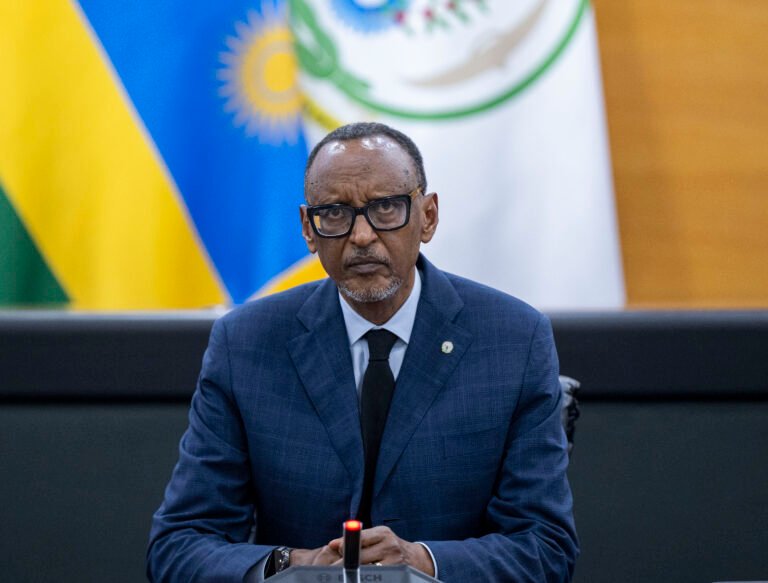
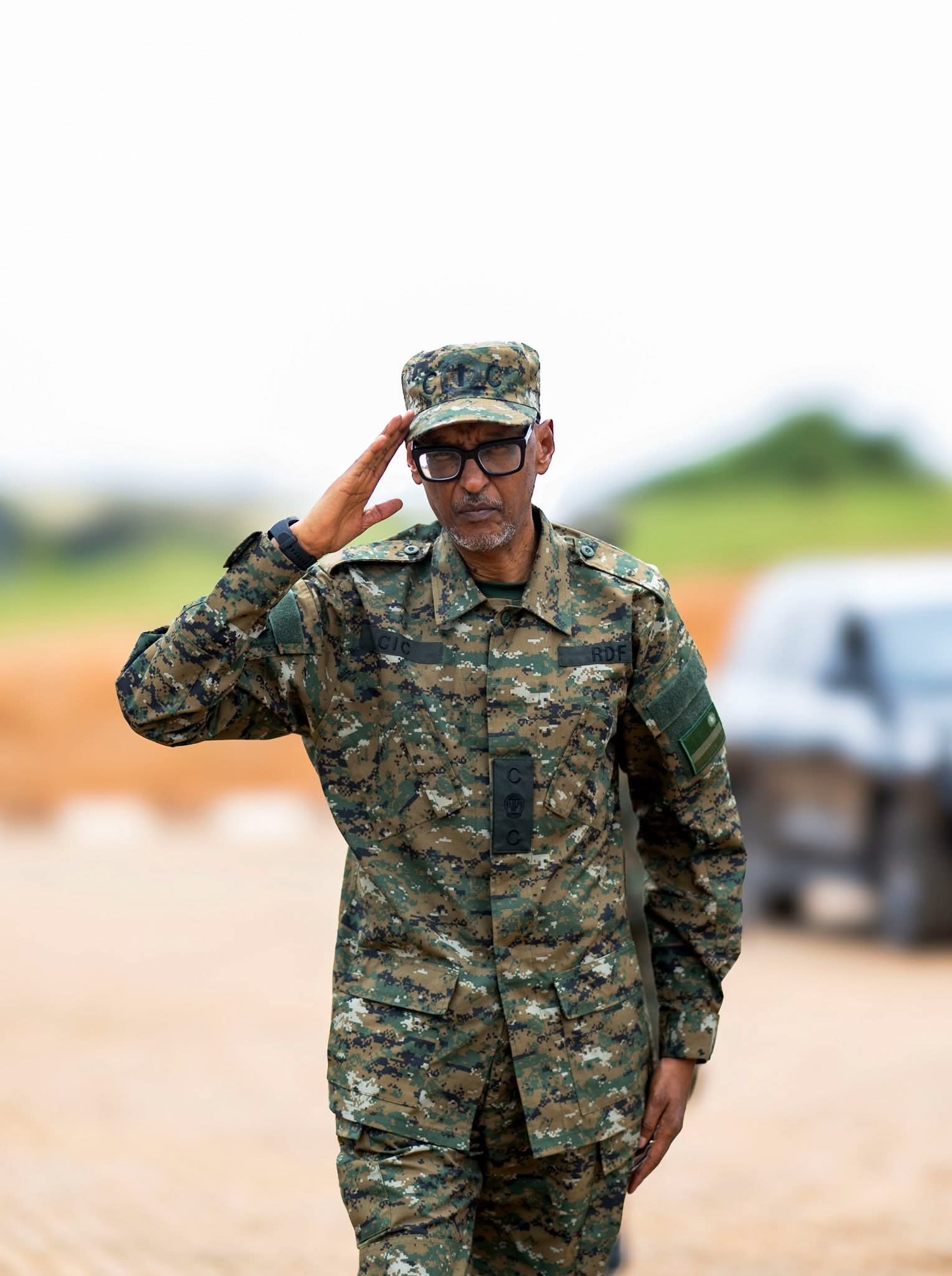
Rwanda’s President Paul Kagame delivered a full-throated defence of the Rwanda Defence Forces on Tuesday, telling the nation and the world that no external sanction, criticism, or insult can diminish the integrity of the men and women who serve under its flag.
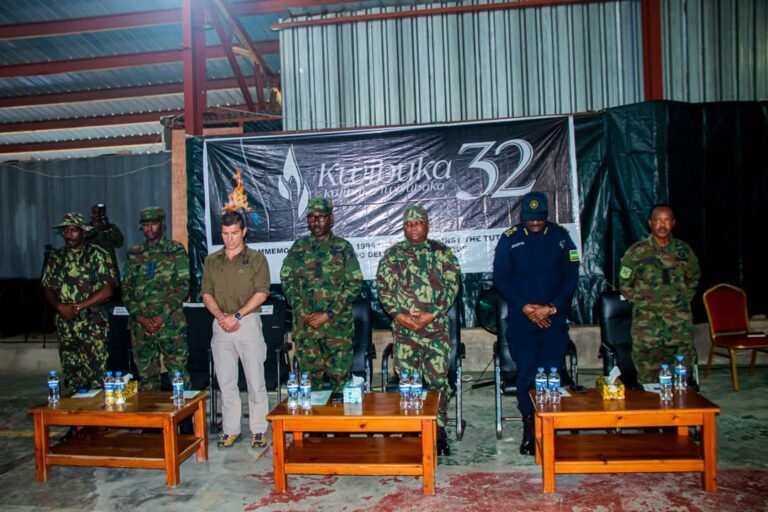
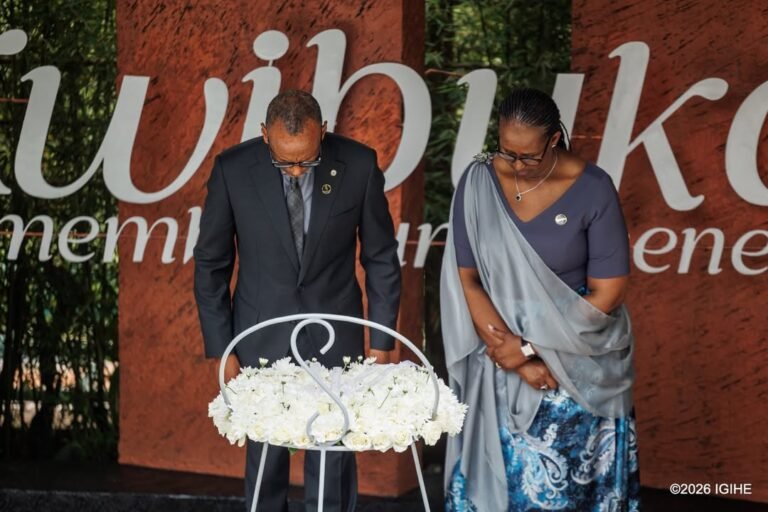
Speaking at the Kwibuka 32 national ceremony in Kigali, President Kagame said the culture and character of the RDF was forged in the most difficult moments in Rwanda’s history and that this foundation is what guides the conduct of Rwandan forces wherever they serve. “No sanctions or insult from outside can ever tarnish the honor and integrity of Rwanda’s defense and security forces, who are among the finest that can be found anywhere,” he said.
The statement is the most direct public rebuttal. Kigali has delivered in response to sustained international criticism of the RDF’s alleged role in eastern Democratic Republic of Congo, where Rwanda has faced accusations of supporting the M23 armed group. Rwanda has consistently denied direct military involvement, while framing its security considerations in the region as a legitimate response to the FDLR threat, the armed group descended from the forces that carried out the 1994 genocide against the Tutsi.
President Kagame traced the RDF’s institutional identity directly to the Rwanda Patriotic Army, the force that ended the genocide in 1994 when the international community had withdrawn its peacekeepers and left Tutsis to die. He described the RPA’s campaign as a simple truth of history, one that many today still resist acknowledging. It is from those events, he said, that the RDF draws its deepest values and its sense of purpose.
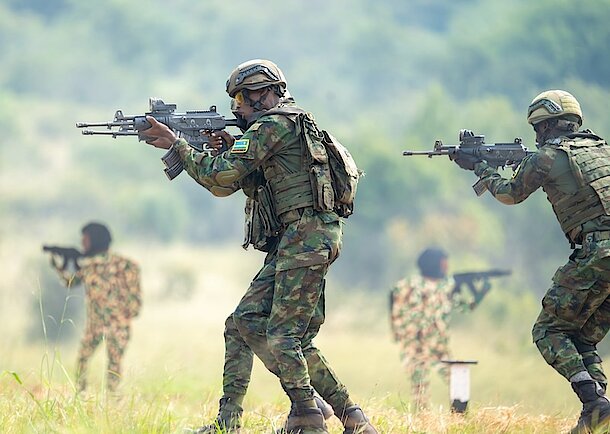
He noted that Rwandan forces are deployed in peacekeeping missions across the continent and earn universal respect wherever they serve. This record, he argued, speaks for itself and stands in contrast to the image now being constructed by external actors applying political pressure on Kigali.
The defense came alongside President Kagame’s announcement that he intends to raise the sanctions question directly at the highest international level, framing the two issues, the sanctions and the RDF’s reputation, as inseparable. For Rwanda, the argument is coherent: a force that stopped a genocide while the world watched cannot be judged primarily through the lens of current geopolitical convenience.
The RDF currently deploys peacekeepers across several African missions, including in Mozambique’s Cabo Delgado province and under African Union mandates in the Central African Republic and beyond, deployments that have been broadly praised by receiving governments and partner organizations.
About the Author