Kigali – President Paul Kagame has said Rwanda is prepared to lift its defensive security measures if all parties involved in the Washington Accords fully respect and implement the commitments made under the agreement aimed at easing tensions in the Great Lakes region.
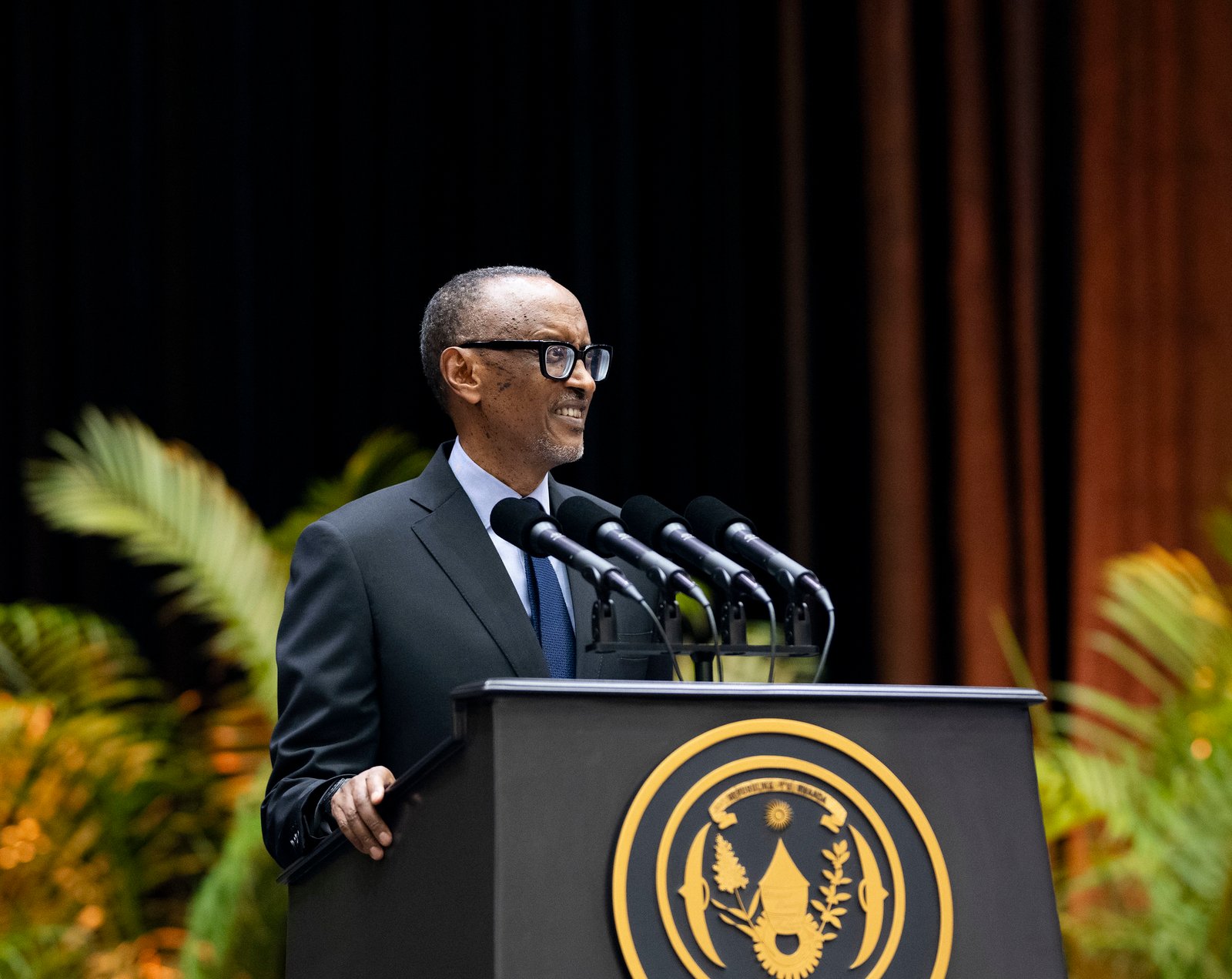
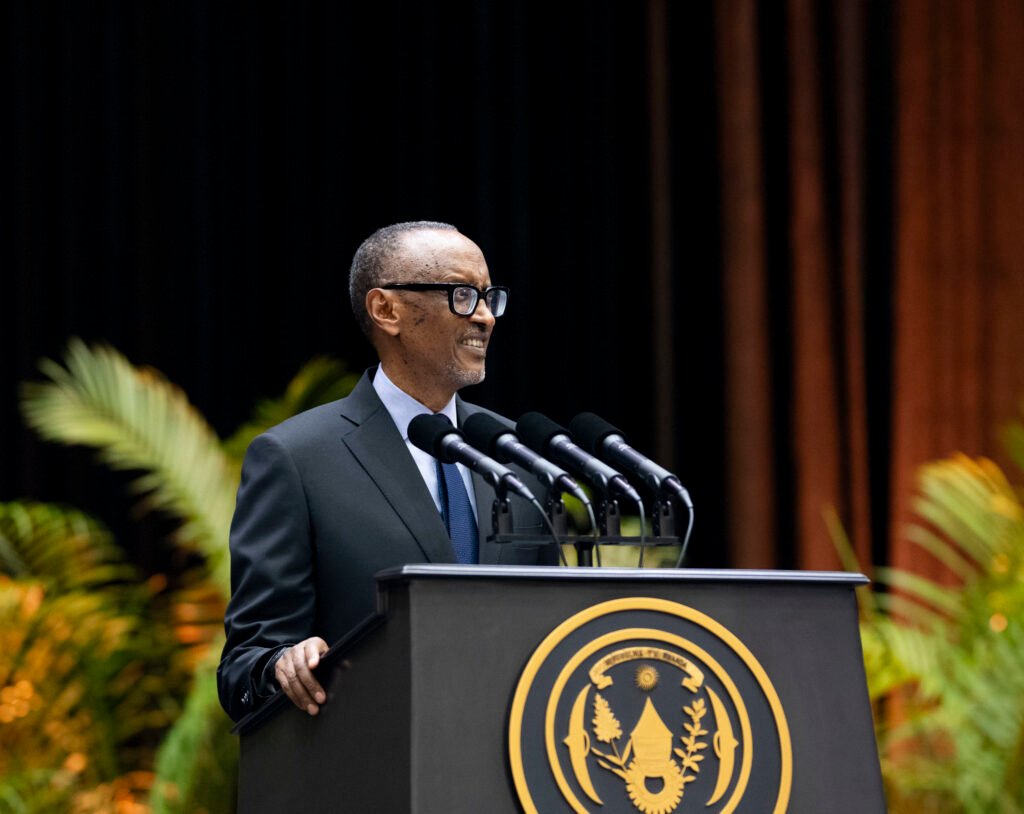
Speaking on the ongoing security situation between Rwanda and the Democratic Republic of the Congo during dinner with diplomatic corps in Kigali on 06th March 2026, Kagame stressed that peace agreements only work when all parties carry their responsibilities equally rather than shifting the burden onto one side.
“By definition, a signed peace agreement should bind all parties equally and implementation should follow the text,” Kagame said. “However, this has not been our experience. What we see instead is that one party is expected to carry almost the whole burden.”
ALSO READ: Kagame Accuses Kinshasa of Shielding Genocide-Linked FDLR Militia
The Rwandan President pointed out that the process involves more than just Kigali and Kinshasa. He emphasized that the United States, which hosted and facilitated the negotiations, also has a role in ensuring that the commitments agreed upon are respected.
“There are actually three parties concerned: Rwanda and DRC, of course, but the third is the United States, the country that hosted us and brokered this process,” Kagame said. “To have three parties to this process and you expect only one to fulfill its obligations — I’m not sure what we should expect from that.”
Kagame maintained that Rwanda’s security policies are driven by the country’s historical experience and its determination to prevent the return of violent ethnic extremism linked to the 1994 Genocide Against the Tutsi in Rwanda.
ALSO READ: Kagame Says Country Faces “Impossible Choice” Over FDLR Threat
“Rwanda is strong, strong enough in our own circumstances,” he said. “Precisely because we consider ourselves vulnerable to ideologies of violence and violent ethnic extremism, particularly when they benefit from direct or indirect state support. We have made a promise to ourselves to never go back to the dark days. That darkness, we cannot go back.”
The President also defended Rwanda’s security forces, saying criticism directed at the country’s defensive actions does not undermine the commitment of those tasked with protecting the nation.
“In our position, would any other country make a different choice?” Kagame asked. “Any condemnation that comes, by the way, is a badge of honor for our security forces. That honor is not something that can easily be washed away by rain or shine or whatever. It is part of us. It will remain so in good and bad times.”
According to Kagame, the full implementation of the Washington Accords could significantly change the security and economic outlook of the region.
“If fully implemented, this agreement will provide all parties the security that they need and deserve and lay the groundwork for mutually beneficial economic cooperation,” he said.
He reiterated that Rwanda’s position remains clear: the country is ready to scale back its defensive measures as long as the commitments under the agreement are respected by all sides.
“Rwanda is ready to lift its defensive measures in tandem with the DRC fulfilling its obligations under the Washington Accords,” Kagame said, underscoring Kigali’s position that durable peace in the region depends on accountability and equal responsibility among all parties involved.
About the Author