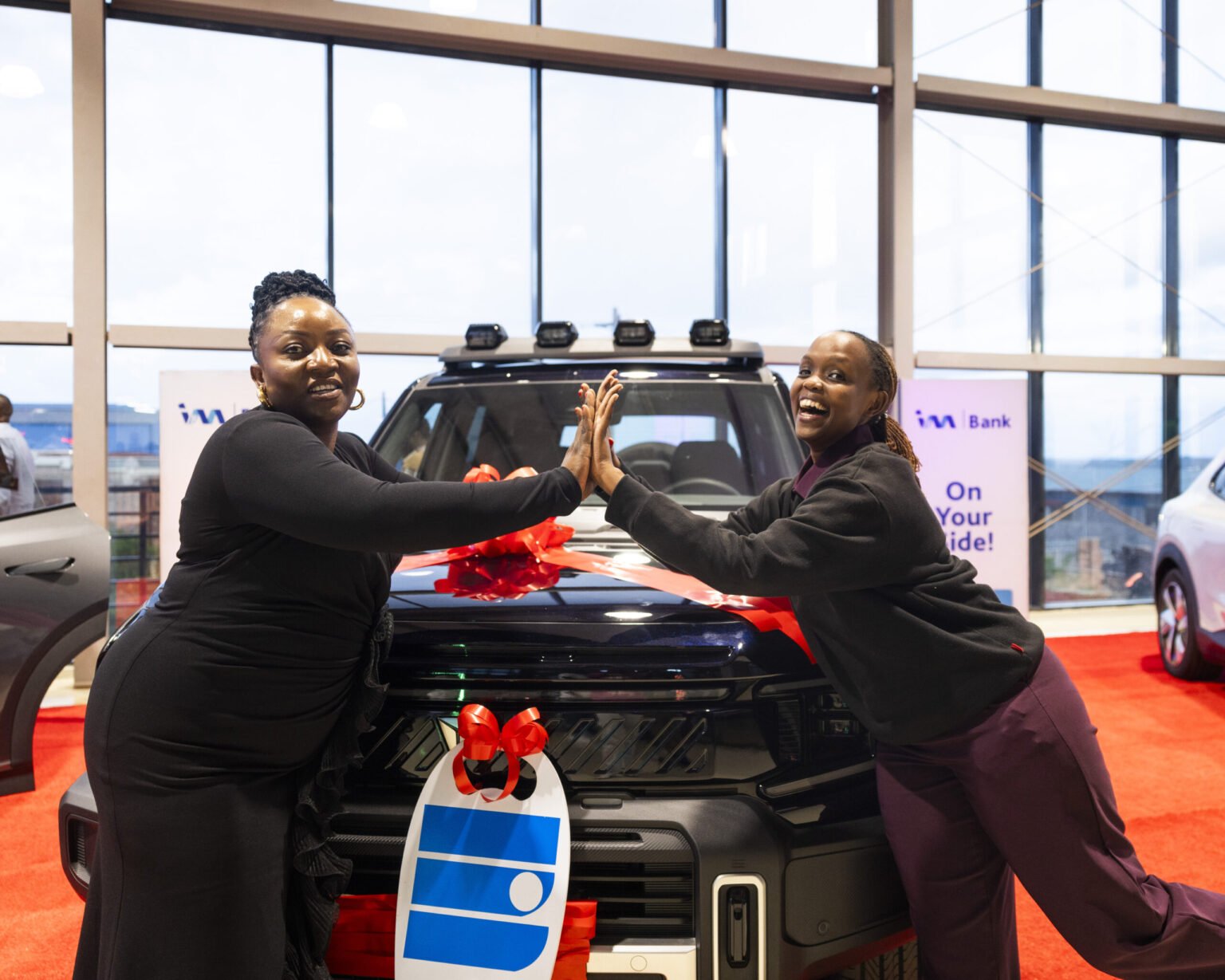
Rwanda’s push toward electric mobility took another step this week as Rwandamotor, in partnership with I&M Bank Rwanda Plc, unveiled a new generation of electric vehicles backed by aggressive financing options aimed at widening access.
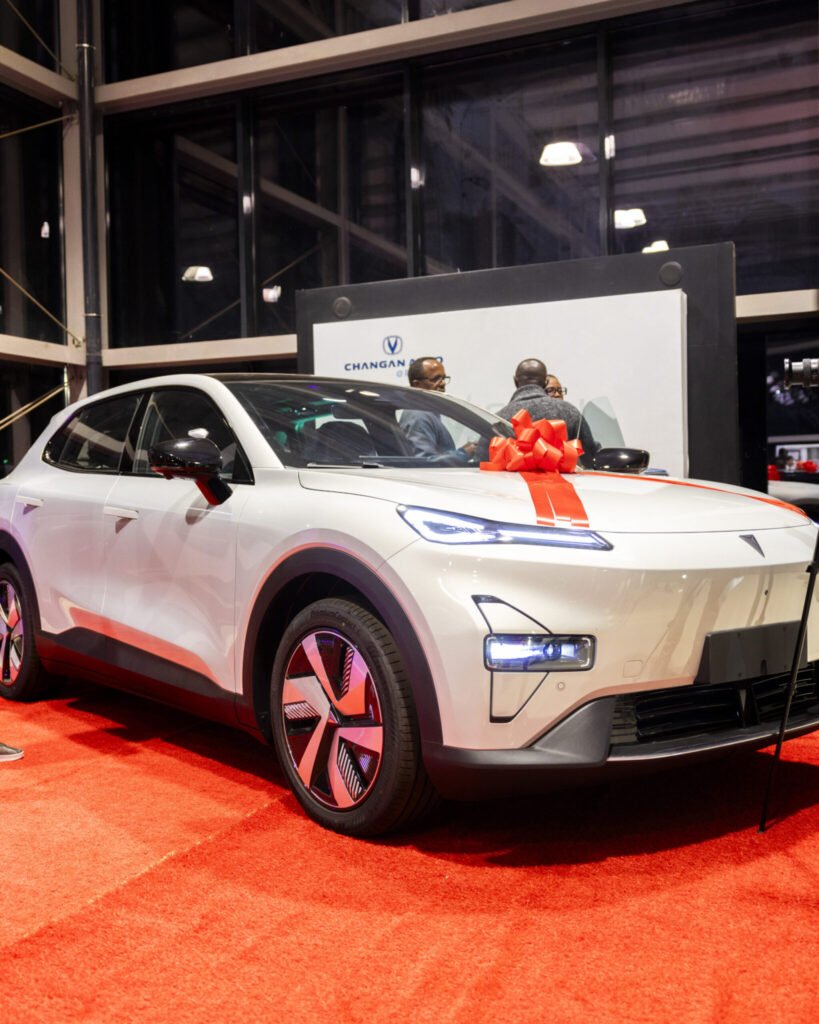
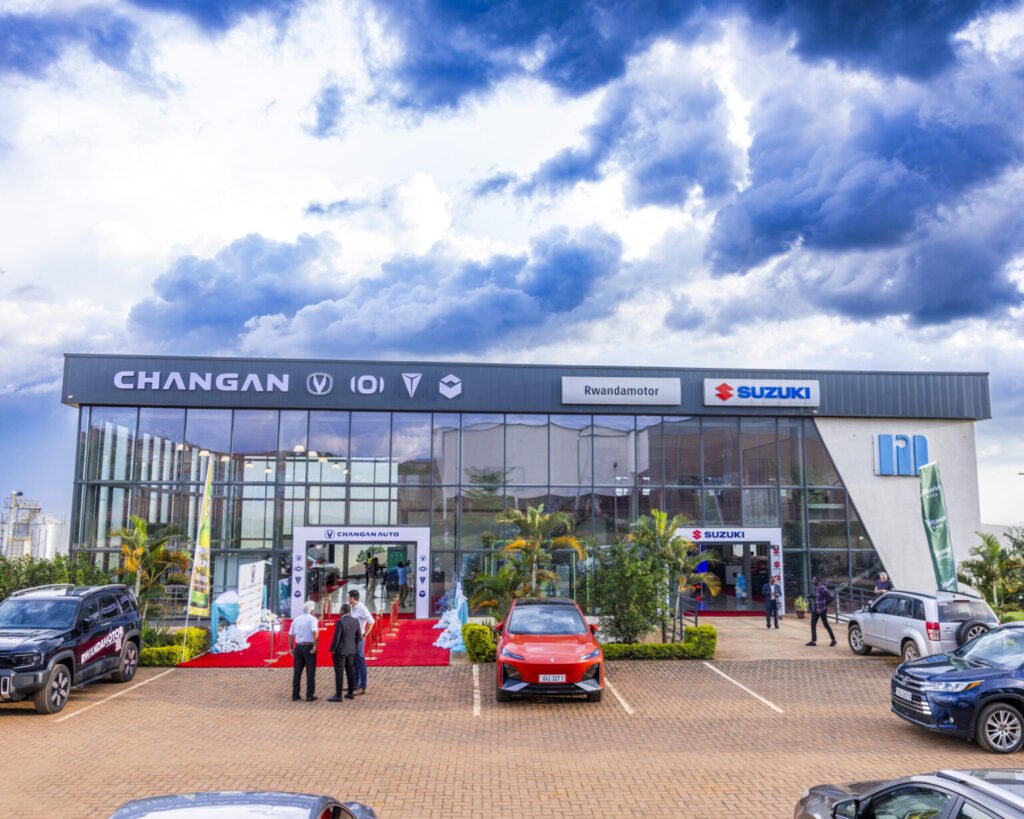
At a cocktail reception held Wednesday evening at the Rwandamotor showroom in Gahanga-Kigali, the companies introduced a new model from Deepal, a premium new energy vehicle (NEV) brand known for its intelligent electric and hybrid technologies.
The event, attended by business leaders, bank executives and potential buyers, was as much about financing as it was about the vehicle itself.
At the center of the partnership is a financing model designed to remove one of the biggest obstacles to car ownership in Rwanda: upfront cost.
Under the arrangement, I&M Bank is offering collateral-free loans for vehicle purchases, including up to 100 percent financing for electric vehicles, meaning customers can acquire EVs without an initial down payment.
For other models, buyers can access up to 80 percent financing.
Bruce Niko, Head of Dealer Sales at I&M Bank Rwanda Plc, said the goal is to make ownership practical for more customers.
“We are here to help. Visit our branches, and we will guide you. For electric vehicles, no upfront payment is needed,” he said. “For other vehicles, only a small contribution is required. Our flexible repayment terms match your business performance, making financing easier.”
The approach reflects a broader shift in Rwanda’s banking sector toward asset-based lending that targets small businesses and middle-income earners.
The introduction of Deepal vehicles adds to a growing lineup of electric and hybrid models entering the Rwandan market.
The brand, developed by China’s Changan Automobile, focuses on next-generation mobility, including battery electric, range-extender and hydrogen-powered vehicles.
Its arrival aligns with Rwanda’s policy direction, which has increasingly favored electric vehicles as part of efforts to reduce emissions and modernize transport.
Executives involved in the partnership say Rwanda’s business environment played a key role in bringing the investment together.
Mr. Lin Yun, Director of Hanlink Group, described Rwanda as more than just a market.
“We selected Rwanda because of its strong governance, ease of doing business, and clear economic development strategy,” he said. “Support from institutions like the Rwanda Development Board makes it ideal for long-term investment.”
He added: “Rwanda is not just a market for us — it is a key partner in advancing regional development.”
The April 1 event follows an earlier activation of the partnership in late March, when additional models — including electric pickups and heavy-duty trucks — were introduced.
Together, the launches signal a coordinated effort to build an ecosystem around electric mobility: supply from dealers, financing from banks, and policy support from government.
Despite growing interest, electric vehicles remain a small share of Rwanda’s overall car market, where affordability continues to be a major constraint.
That is where financing is expected to play a decisive role.
By removing collateral requirements and reducing upfront costs, banks like I&M are betting they can accelerate adoption — particularly among small businesses that rely on vehicles for income.
For Rwanda, the significance of the event goes beyond a single model.
It reflects a broader transition — from a traditional vehicle market to one increasingly shaped by technology, sustainability and financial innovation.
Whether that transition accelerates will depend not only on the vehicles themselves, but on how accessible they become.
And in Gahanga this week, the message was clear: the future of mobility may depend as much on financing as on engineering.
About the Author