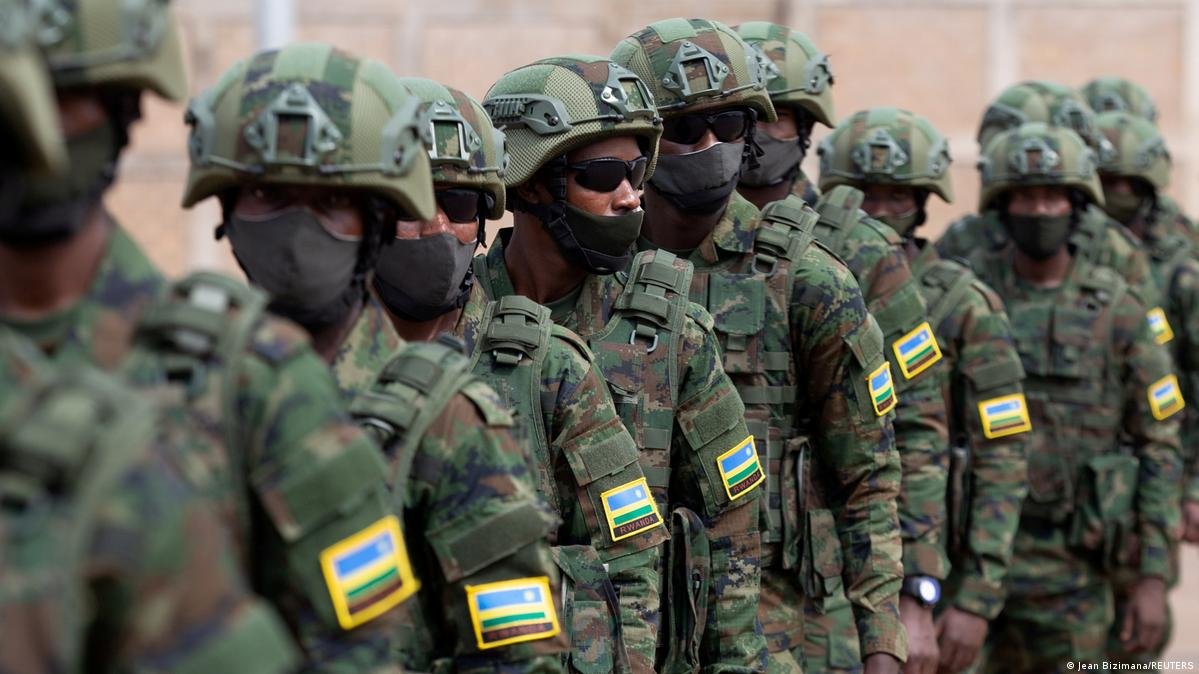
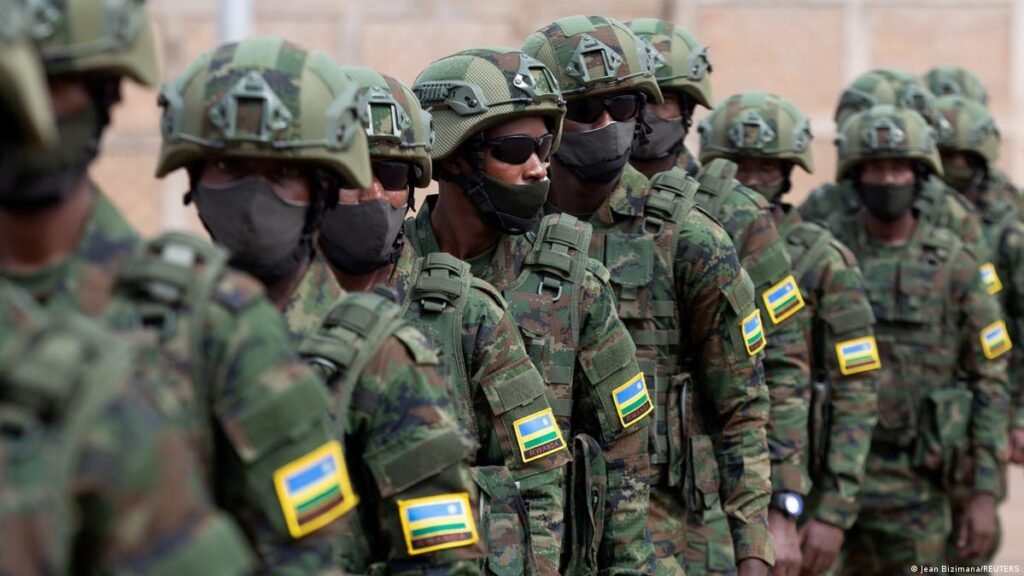
Rwanda has signaled it may withdraw its troops from Mozambique’s Cabo Delgado province if sustainable funding for the counter-terrorism mission is not secured.
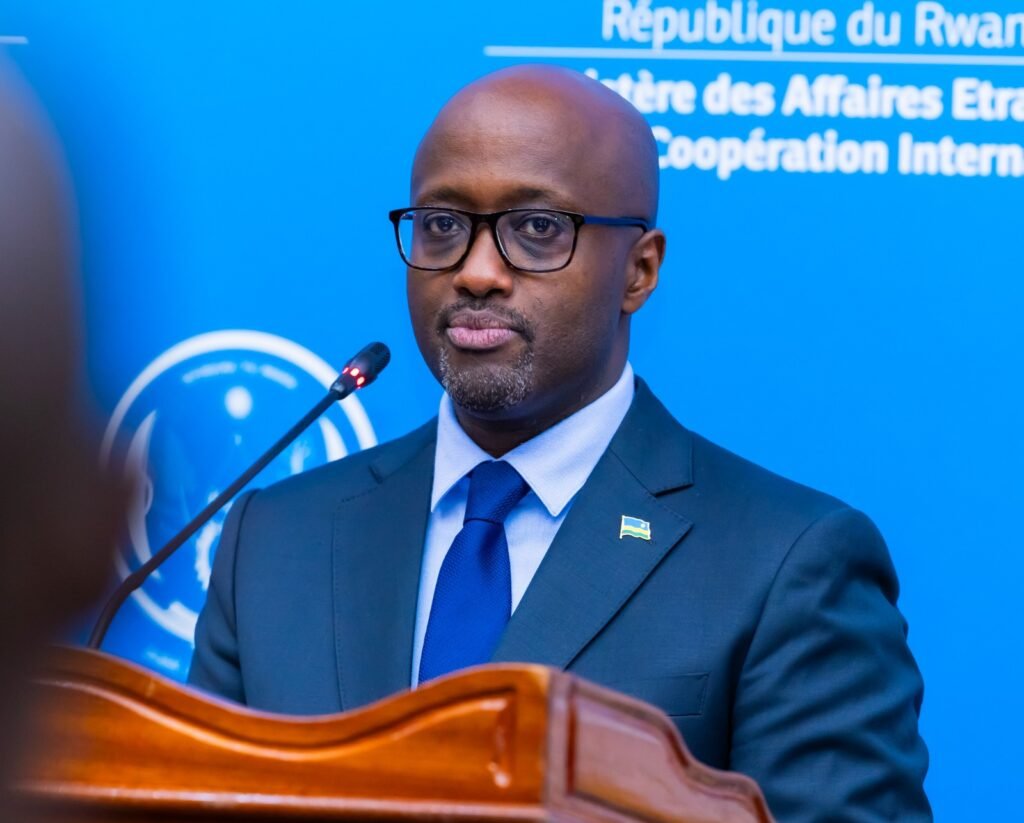
Rwanda’s Minister of Foreign Affairs, Olivier Jean Patrick Nduhungirehe said the issue is not whether Rwanda could leave but that it will withdraw its troops if predictable external funding is not guaranteed.
He noted that Rwanda spent “hundreds of millions of dollars” and that soldiers of the Rwanda Defence Force paid the ultimate sacrifice to help stabilize the insurgency-hit region.
The message comes after international reports suggested Rwanda might reconsider the mission if support from partners declines. Rwanda’s government spokesperson, Yolande Makolo also addressed the issue, saying the sustainability of the deployment depends on adequate and predictable funding.
She explained that while partners such as the European Union have provided financial assistance, the real cost of the operation has largely been carried by Rwanda itself. Kigali’s position is that the mission helped restore stability not only for Mozambique but also for international investments and regional security.
Rwanda first deployed forces to Cabo Delgado in Mozambique n 2021 at the request of the Mozambican government after Islamist insurgents captured key towns and forced hundreds of thousands of civilians to flee their homes.
Rwandan troops quickly pushed militants out of strategic areas, reopened roads and towns, and allowed displaced families to begin returning home. Their presence also helped secure the area around a massive liquefied natural gas project led by TotalEnergies one of the largest energy investments on the African continent. The intervention has been widely credited with preventing the insurgency from expanding further along the Indian Ocean coast.
For Rwanda, the mission became one of the most visible examples of an African country stepping in to stabilize another African state. But Kigali has repeatedly pointed out that the operation came with a heavy price.
Beyond the financial burden, Rwandan soldiers lost their lives during the campaign to reclaim territory and restore basic security in the province.
If Rwanda ultimately decides to withdraw its forces, the security situation in northern Mozambique could face renewed uncertainty. The decision would also raise broader questions about how African-led security missions should be funded and supported in the future.
For now, Kigali’s message is clear. Rwanda answered Mozambique’s call at a moment of crisis, invested heavily to stabilize the region, and believes the responsibility for sustaining that stability should not fall on one country alone.
About the Author