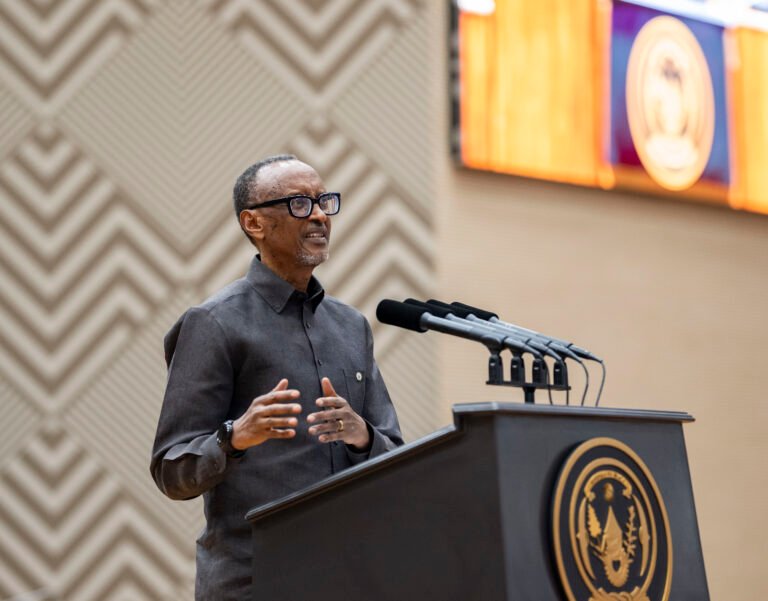
The National Bank of Rwanda has raised its benchmark policy rate to 7.25 percent. For most Rwandans, that headline is an abstraction. National Bank of Rwanda Governor Soraya Hakuziyaremye has explained in clear, unvarnished terms exactly what it means in practice for borrowers, businesses, and households, and where the tool’s limits begin.
“Generally, theoretically, when I increase my central bank rate, I’m making money more expensive for commercial banks and for the person so that I curb demand.” She said during the appearance on the long form podcast
Speaking on the Long Form Podcast, National Bank of Rwanda Governor Soraya Hakuziyaremye broke down the transmission chain: the central bank rate is the price at which the NBR lends to commercial banks. Those banks lend to each other at what is called the interbank rate, typically for short seven-day periods. That rate then feeds through to what commercial banks charge businesses and individuals. Raise the central bank rate, and the cost of credit rises at every level.
“The central bank rate is the rate at which we lend to the banking sector,” she said. “And generally it drives what they call the interbank rate, because banks will lend to each other at short terms for seven days. And then it drives also if everything is optimal up to your lending rate.”
“We don’t have a magic wand. So our tools have limitations. Because when there are supply shocks, our tools will only be limited and signal that it’s almost now signaling bumps ahead.” The governor said during the appearance on the long form podcast
The Governor was equally direct about what a rate hike cannot fix. When inflation is caused by a supply shock a drought cutting food production, a war raising oil prices, a disruption in fertilizer supply making borrowing more expensive does not resolve the underlying problem. It cannot increase the supply of food. It cannot lower the price of oil. In those cases, the rate hike is a signal, not a solution.
ALSO READ: RWANDA: The Governor says life is not getting harder
“For enterprises, for households, you should be careful on how you spend because economies are either overheating or inflation is going to be high,” she said. “So then you start saying, maybe I shouldn’t invest now because prices are higher. My expenses are going to cost higher, and I’ll pause until inflation sort of comes down.”
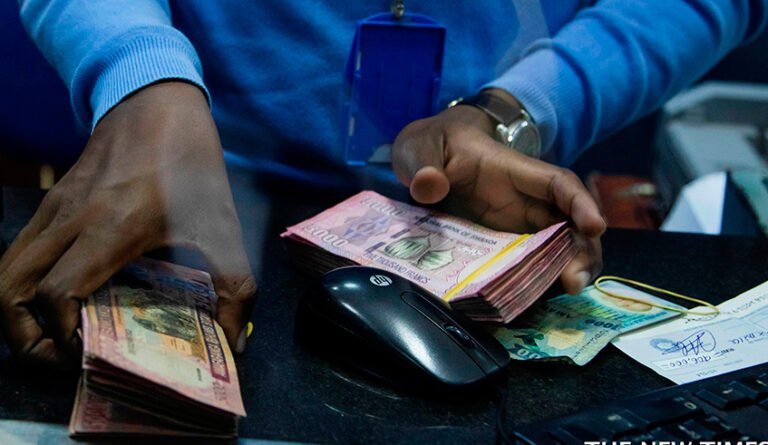
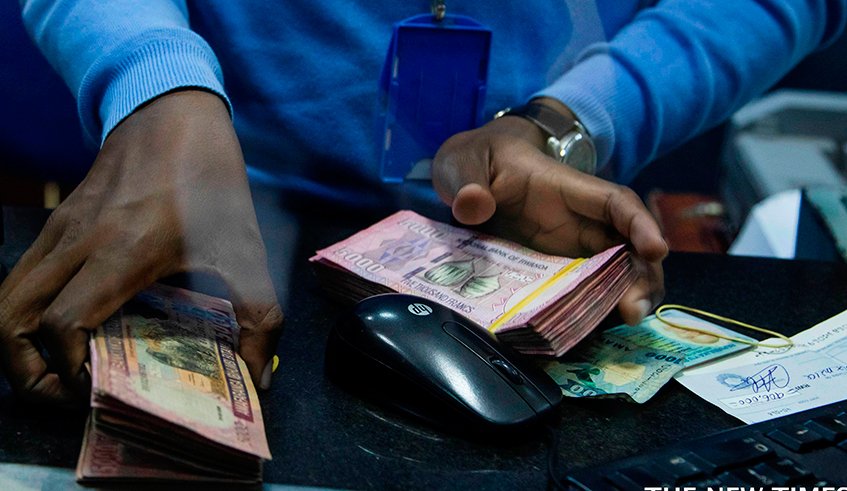
At 7.25 percent, Rwanda’s central bank rate is at its highest in the current cycle. For anyone carrying a variable-rate loan or planning to borrow in 2026, credit is more expensive than it was in mid-2025. For businesses weighing investment decisions, the cost of capital has risen. For households, the effect is felt most directly in mortgage rates and the cost of working capital for small enterprises.
The NBR’s financial sector data provides some reassurance: total financial sector assets reached 15.9 trillion Rwandan francs by end of 2025, non-performing loans remain at 2.5 percent, and the sector is well-capitalised. The transmission from higher rates to broader financial stress has not materialised yet.
ALSO READ: RWANDA: Inflation is above 8 percent again and the NBR has raised its rate to 7.25
The NBR expects inflation to ease back toward its target band by the second half of 2026. If that happens, rate cuts could follow. If it does not particularly if food supply remains constrained or global energy costs stay elevated the rate may stay where it is or climb further. For anyone making a financial decision in Rwanda this year, that uncertainty is the most important context the Governor has provided.
ALSO READ: RWANDA: Inflation hit 21 percent in 2022 and the central bank raised rates 3 points
About the Author