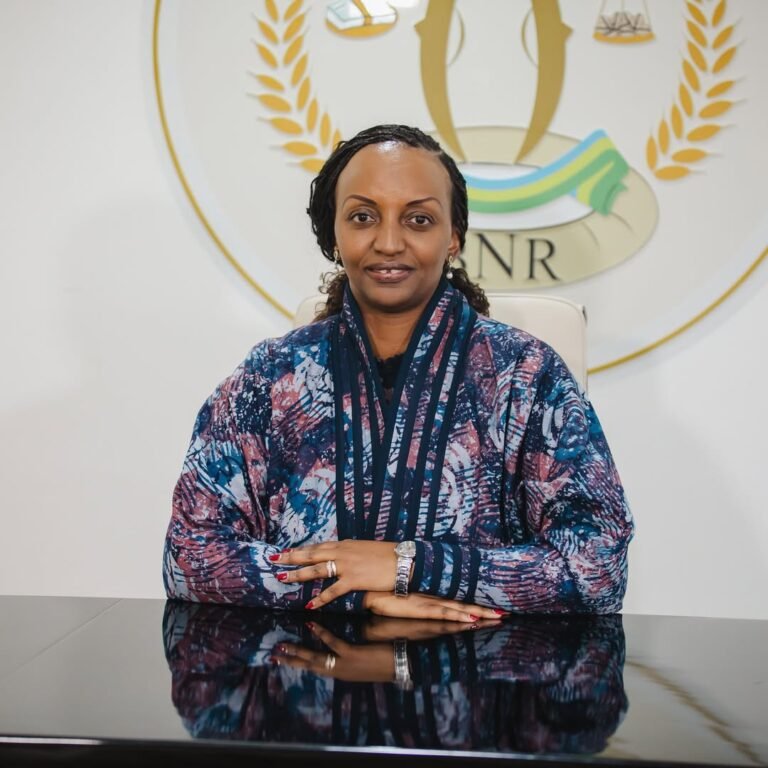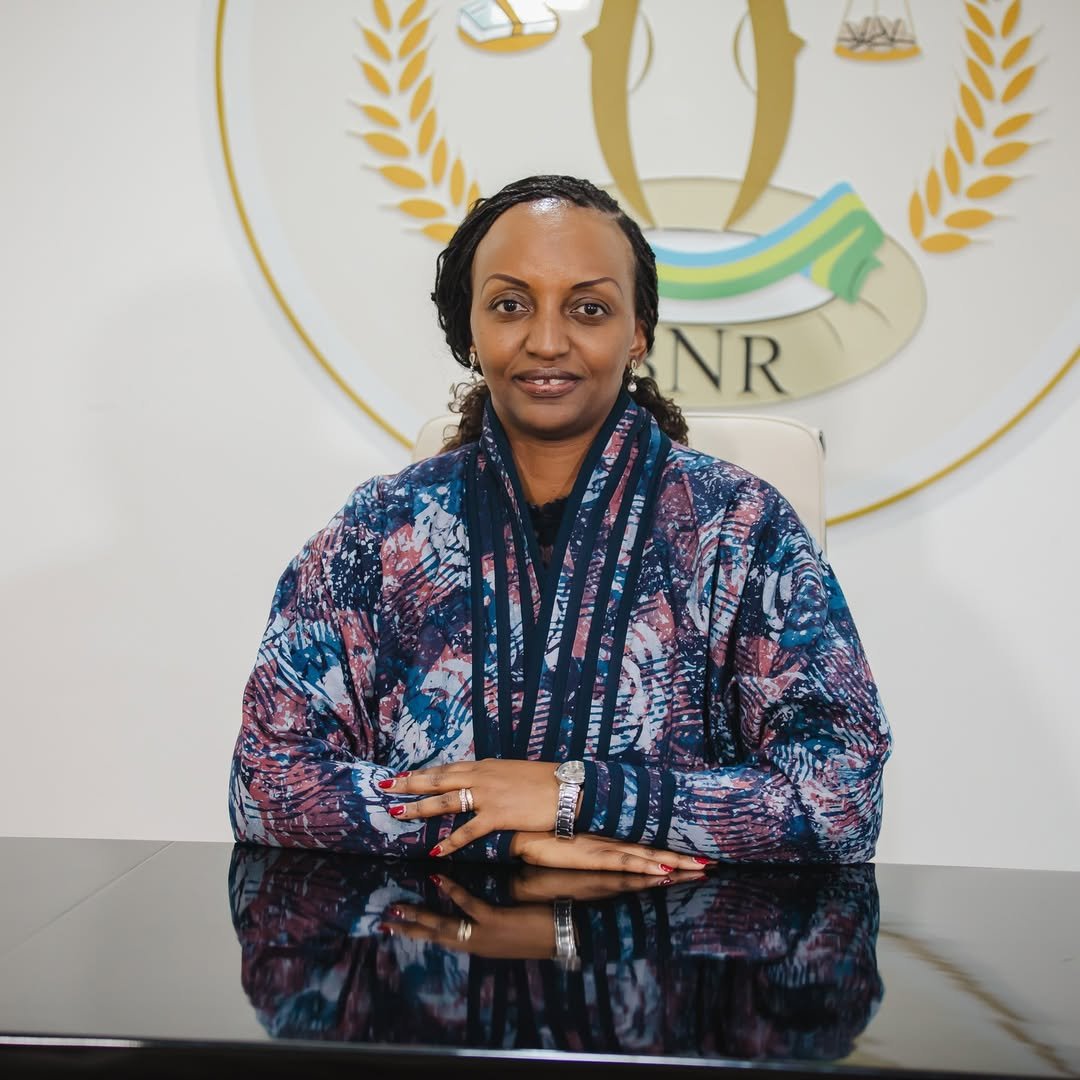
Rwanda's central bank governor has pushed back on the narrative that life is becoming progressively harder for ordinary Rwandans.[Courtesy]
Rwanda’s central bank governor has pushed back on the narrative that life is becoming progressively harder for ordinary Rwandans while conceding, in the same exchange, that costs are rising and that the country’s financial architecture structurally favours those who own assets over those who earn salaries. The remarks, made on the Long Form Podcast, are among the most candid public statements on economic inequality from a senior Rwandan monetary official in recent memory.
“I don’t believe that the life of Rwandans is becoming harder and harder. But it’s harder compared to what? If we look at shorter periods, yes, there will always be shocks. There will be periods where things are harder.” She said during her appearance on the long form podcast
National Bank of Rwanda Governor Soraya Hakuziyaremye was responding to a direct challenge from the interviewer: that the vast majority of Rwandans do not own assets, that they earn salaries, and that month on month it just gets harder. The interviewer put it plainly: “The one thing that appreciates here are assets. So if you own property, you own factories, you own land, that keeps appreciating. If you don’t, then you’re constantly losing the value of the little money that you have.”
The Governor did not dispute the mechanism. She disputed the conclusion. Her position is that short-term pain must be measured against a longer trajectory, one the NBR’s policies are designed to sustain. “What’s important is the policies to make sure that on the long term, we’re all winners,” she said.
The structural reality the Governor was responding to is built into Rwanda’s monetary framework. The franc is a floating currency in a country with a persistent trade deficit. It depreciates year on year. That depreciation, measured in franc terms, inflates the value of hard assets like property, land, dollar-denominated savings while eroding the real purchasing power of fixed salaries. It is not a conspiracy; it is arithmetic.
Rwanda’s NBR Governor Soraya Hakuziyaremye acknowledged this when she said: “The financial system is set up in a way that it will reward people who have assets or who have foreign currencies. And the people who don’t, it will just keep getting harder and harder for them to buy goods and services, to get fuel, to buy fertilizer, to buy clothes and medicines.” She framed this as a concern she holds as a citizen, not a policy she endorses as governor.
Her advice to a hypothetical 28-year-old Rwandan was telling: plan long term, invest in assets, and use the stability Rwanda now offers to build generational wealth. “The opportunity that our generation has is the confidence that we can now start planning for generational wealth in our own country,” she said. For those already in the asset class, this is reassurance. For salary earners stretching a franc further every month, it asks for patience in exchange for a long-term promise.
The tension the Governor described is not going away. As inflation runs above 8 percent and borrowing costs rise, salary earners face a tightening from both ends higher prices and more expensive credit. The central bank’s tools address the macro picture. The micro pain is a political and distributional question that sits with government rather than the NBR. Whether that question gets addressed in Rwanda’s next budget cycle will matter more to ordinary Rwandans than the policy rate.
About the Author