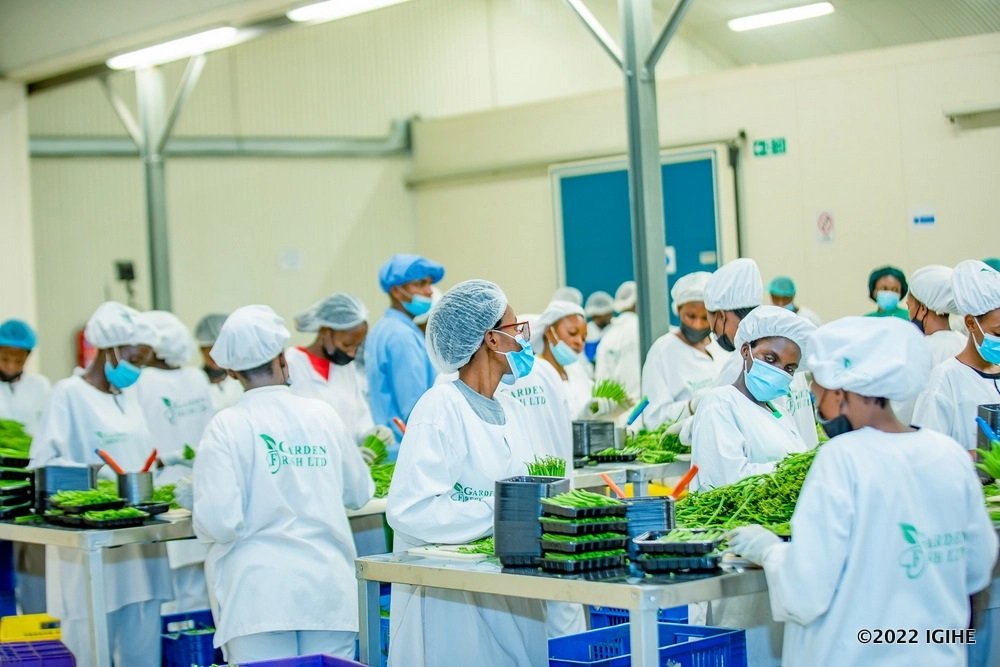
Rwandan fruit and vegetable exporters have lost over 100 million Rwandan francs in just two weeks as the escalating Middle East war grounds cargo flights to Dubai.
The losses follow the expansion of the conflict into a regional crisis, triggered by U.S. and Israeli strikes on Iran in late February.
Before the war, traders, who spoke to the Rwanda Broadcasting Agency, reported that exports to the Middle East were thriving, with large volumes of fruits and vegetables being shipped abroad. However, the onset of the conflict has disrupted trade, particularly to Dubai, one of the region’s main markets.
Marie Ange Claudine Ingabire, a leading exporter, said, “Most of our fruits were destined for Dubai, while vegetables were primarily sent to European markets. With flights now suspended, markets for avocados, bananas, and other fruits have collapsed, creating unprecedented challenges for exporters.”
Ingabire added that she currently has 40 tons of avocados awaiting shipment to Dubai. “We had hoped the market would reopen quickly, but now these products are no longer suitable for export, even if transport routes become available,” she said.
Similarly, Zainabu Abdul, another fruit exporter, reported losing Rwf 15 million.
“The war began just as we were harvesting. We intended to pack the produce and send it immediately to the airport, but with flights halted, we incurred unexpected losses. Now our produce continues to deteriorate in cold storage,” Zainabu explained.
Traders say the current situation highlights the importance of diversifying export markets rather than relying on a single destination.
Rwanda’s Minister of Trade and Industry, Sebahizi Prudence, said the government is assessing the conflict’s impact on national trade to identify alternative markets.
“We have multiple markets for our products, including some in countries affected by conflict. We need to evaluate the potential effects and explore other export destinations,” he said.
The Rwanda Agriculture and Animal Resources Development Board (NAEB) confirmed that the conflict has already cost vegetable and fruit exporters more than Rwf 100 million.
The war in Iran, which began on February 28, 2026, is expected to have broader economic implications if prolonged. Experts warn that disruptions in the Middle East, a key hub for global trade, particularly oil, could significantly affect international markets.
About the Author