Habiyaremye Bernard is not a name that appears in international war crimes tribunals or United Nations indictments. He was not a general, a minister, or a militia commander.
According to IGIHE, he was a farmer in the hills of western Rwanda and records from the community court system Rwanda used to process genocide cases after 1994 show he personally killed more than 300 people during the Genocide against the Tutsi.
This figure makes him the single deadliest individual perpetrator identified through that entire judicial process. He was tried, sentenced, and released. He then returned to live in the same village where he carried out the killings. He lives there still.
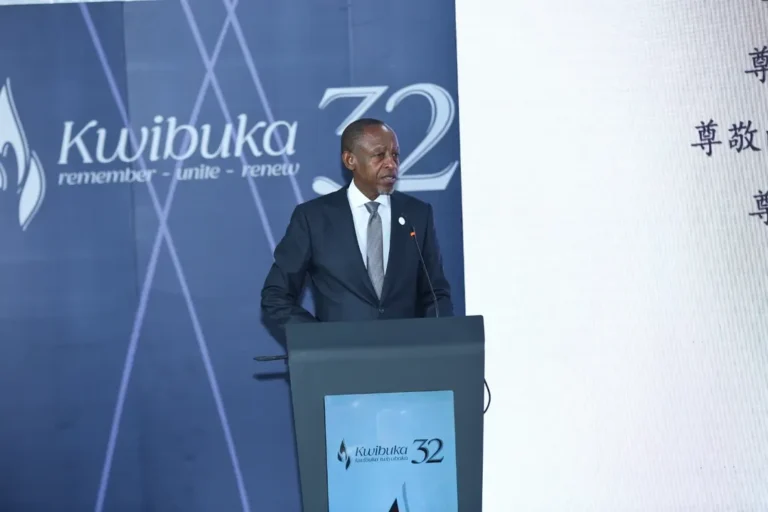
The case was brought back into public discussion when Rwanda’s Minister of National Unity and Civic Engagement, Dr. Jean Damascène Bizimana, cited Habiyaremye by name during a genocide commemoration ceremony back in 2025.
“One striking case is in Nyamushishi Cell, Murundi Sector, where one man was found to have personally killed more people than any other individual identified through the Gacaca court system,” Dr. Bizimana said. “Habiyaremye Bernard, known as ‘Kimashini’, murdered more than 300 people by name.
To surprise, he even remembers some of them.” The nickname Kimashini loosely translated as machine, was given to him by his community during the genocide because of the speed and scale with which he killed.
The Gacaca courts were community-based tribunals established by the Rwandan government in 2001 to process the enormous backlog of genocide cases that conventional courts could not handle. Over 1 million people were killed during the genocide, which lasted roughly 100 days between April and July 1994, and an estimated 200,000 individuals participated in the killings.
The Gacaca system tried nearly two million cases before it was officially closed in 2012, and offered reduced sentences to perpetrators who confessed, named victims, and engaged in a formal reconciliation process with surviving community members. Habiyaremye was processed through that system, convicted, and eventually released.
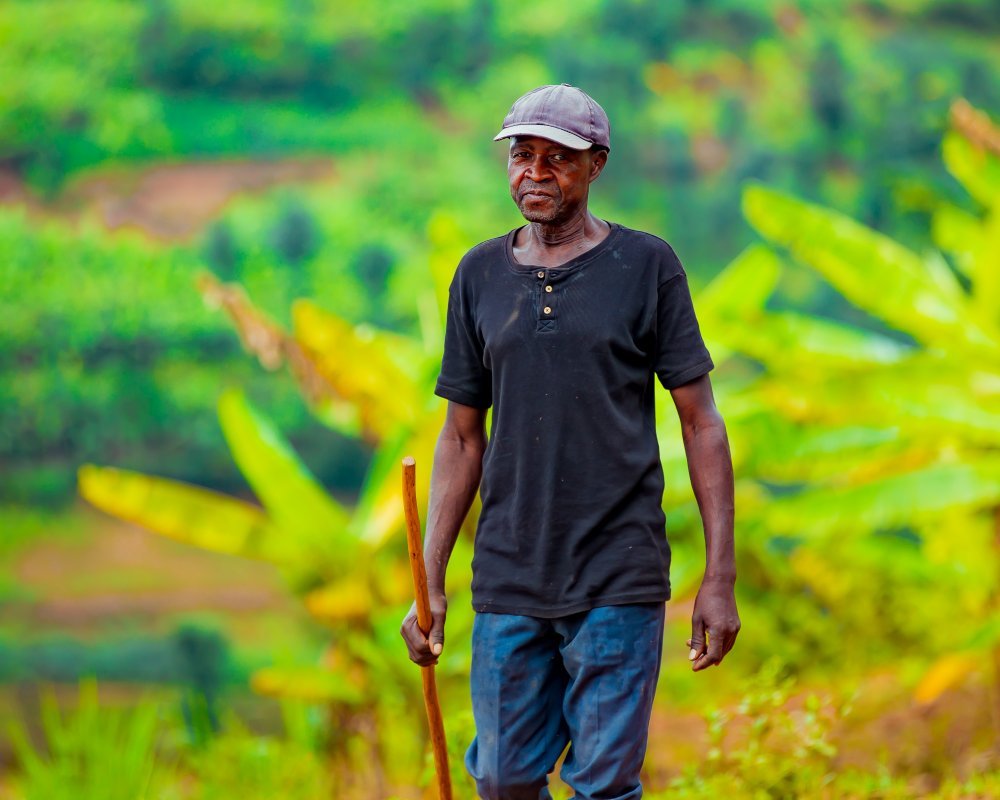
The village he returned to sits in Murundi Sector in Karongi District, in Rwanda’s Western Province near Lake Kivu. The hills around Gasharu Cell, the specific community where most of his victims lived, now carry little trace of the families who once populated them.
Mukamatayo Anne Marie, who leads the local chapter of Ibuka, the national association representing genocide survivors across Rwanda, described the losses plainly. Entire families among them those of Mukakimenyi and Ntoyihuku no longer exist. No one from those homes survived.
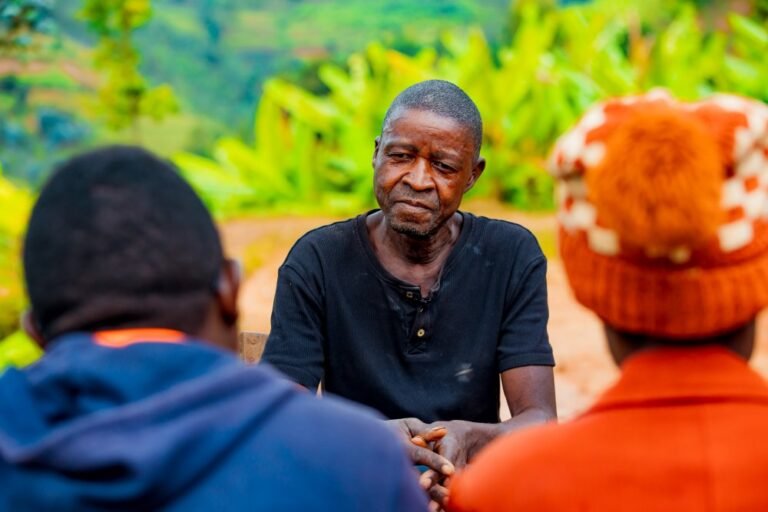
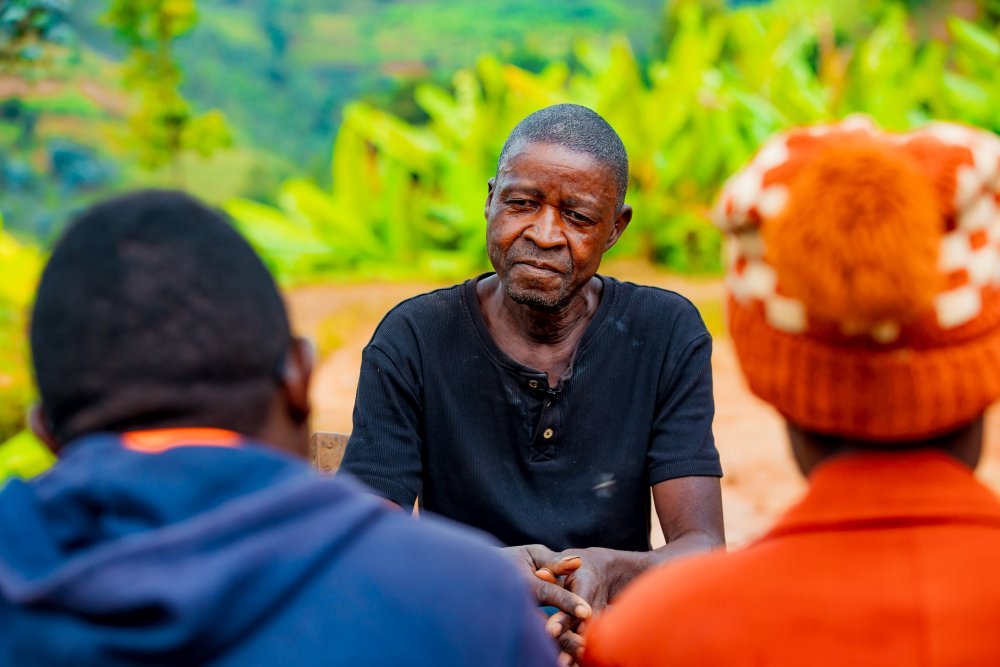
During an interview with IGIHE, Habiyaremye spoke openly about how he began killing, describing a process of social entrapment in which a neighbour’s grief became the entry point into participation. He describes continuing because he feared the consequences of stopping, a pattern researchers and genocide scholars have documented widely among perpetrators who were ordinary members of their communities before April 1994.
According to his own testimony, the people he killed were not strangers, some were those he farmed alongside and shared meals with. What makes his case particularly significant to Rwanda’s ongoing national conversation about reconciliation is what followed his release.
He says he was not rejected by his community upon returning. He says he has no enemies. He says he sits at the same tables and walks the same paths as people whose relatives he killed. He says he no longer recognises himself in what he did, that the man who carried out those killings was, in his own words, not a person with a heart.
He also says genocide ideology has not fully disappeared from Rwandan society but that it can be identified and confronted before it takes hold. The Rwandan government’s reconciliation framework which combines civic education, structured community dialogue, and mandatory participation in national unity programmes, is studied internationally as a model for post-atrocity reconstruction.
The case of Habiyaremye is, in many ways, its most extreme stress test. He did not flee. He did not deny. He did not disappear into a city. He came back to the hills, to the terraced slopes above the lake, and continued his life in the place where 300 people he knew by name no longer have descendants to remember them.
Rwanda marks the 32nd anniversary of the Genocide against the Tutsi this month, a period of national mourning and reflection known as Kwibuka meaning “to remember.” As the country commemorates, the question that Habiyaremye’s continued presence in his community raises is not whether Rwanda’s reconciliation model has been applied.
It is what it means for a society to have applied it at this scale, and whether the coexistence it has produced, fragile, deliberate, and without parallel anywhere in the world can be sustained across the generations that never witnessed what happened, but must live with what it left behind.
About the Author