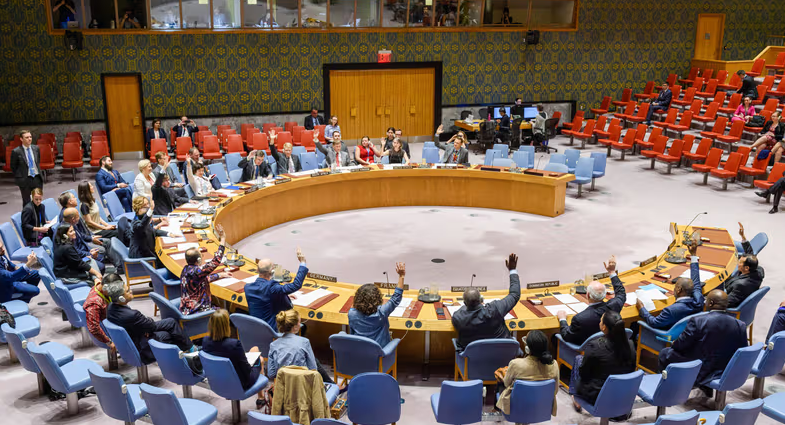
The United States has defended its decision to vote against a United Nations resolution calling for reparations over the transatlantic slave trade, saying it would have supported a broader condemnation of slavery without the reparations component.
The stance comes as countries in Africa intensify calls for historical accountability and compensation, exposing deep divisions at the UN over how to address the legacy of slavery while balancing present-day global priorities.
ALSO READ: UN adopts Ghana-backed resolution declaring transatlantic slavery ‘gravest crime against humanity
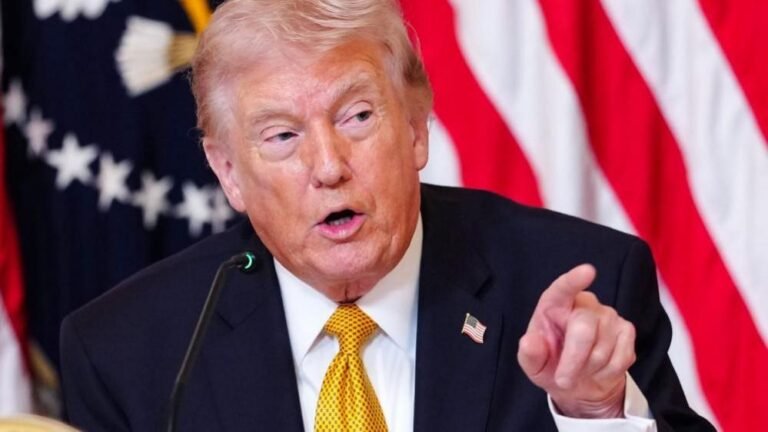
In a detailed statement shared by the U.S. Mission to the UN, Washington framed its position within a broader policy direction under President Donald Trump, emphasizing a return to what it described as the UN’s “core mission” of maintaining international peace and resolving ongoing conflicts.
According to the statement, U.S. officials believe the UN has increasingly expanded into areas beyond its central mandate. The mission pointed to issues such as climate change and historical justice initiatives as examples of what it considers a drift away from immediate global security concerns.
“This latest resolution is a perfect example of the UN’s unseriousness. There is a very real and current problem in human trafficking and human slavery. We back every effort to address them.” the statement noted.
At the heart of the disagreement is a resolution addressing the transatlantic slave trade between the 15th and 19th centuries, which calls for reparatory justice for descendants of enslaved people. While acknowledging the historical severity of slavery, the U.S. argued that the resolution lacks clarity and actionable outcomes.
The push for reparations has been strongly championed by African states, with Ghana emerging as a leading voice on the continent.
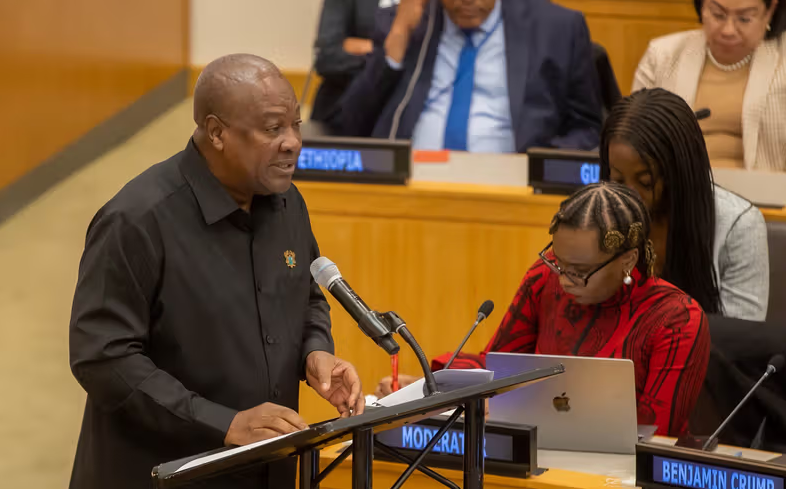
Ghana, under the leadership of President Mahama, has intensified global advocacy for reparatory justice through diplomatic engagements, diaspora initiatives, and high-level forums aimed at building consensus around compensation and historical accountability.
The U.S. Mission described the resolution as “moral grandstanding on settled questions,” stressing that revisiting historical injustices through reparations debates may not translate into meaningful solutions for current global problems.
“Instead, the UN passed a resolution condemning the transatlantic slave trade… and urging reparations today, centuries later — not clear from whom or to whom,” the statement noted, highlighting concerns over implementation and accountability.
Washington also emphasized the need to address ongoing issues such as human trafficking and modern-day slavery, which it described as urgent crises requiring global coordination.
The U.S. maintained that it would have supported a more direct resolution condemning slavery universally, without the reparations element. Officials insisted that their stance does not diminish the gravity of historical slavery but reflects a strategic focus on present-day impact.
The stance comes as African countries intensify calls for historical accountability and compensation, exposing deep divisions at the UN over how to address the legacy of slavery while balancing present-day global priorities.
The resolution ultimately passed with 123 votes in favor, primarily from African, Caribbean, and other Global South countries. Only three countries – the United States, Israel, and Argentina voted against, while 52 nations abstained and 15 were absent.
The development highlights a growing divide within the international community, as countries – particularly in Africa and the Caribbean continue to push for reparations, while the U.S. and some Western allies remain resistant, setting the stage for continued debate within the UN.
About the Author