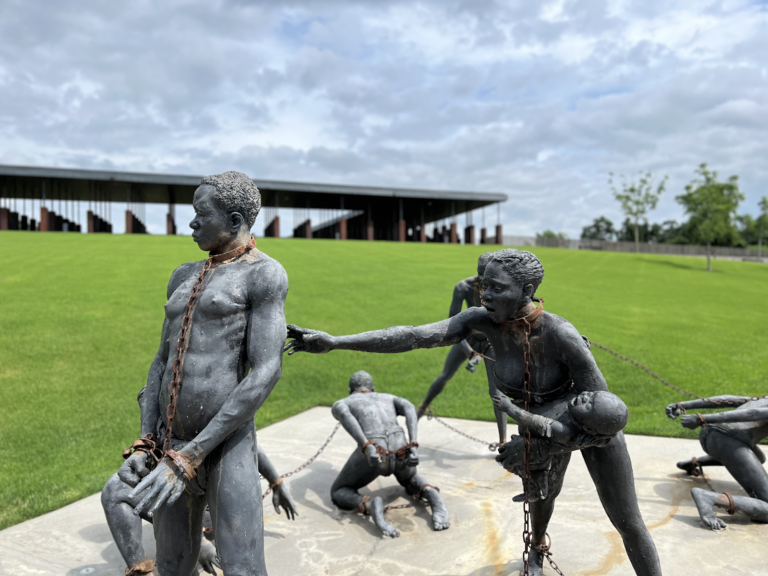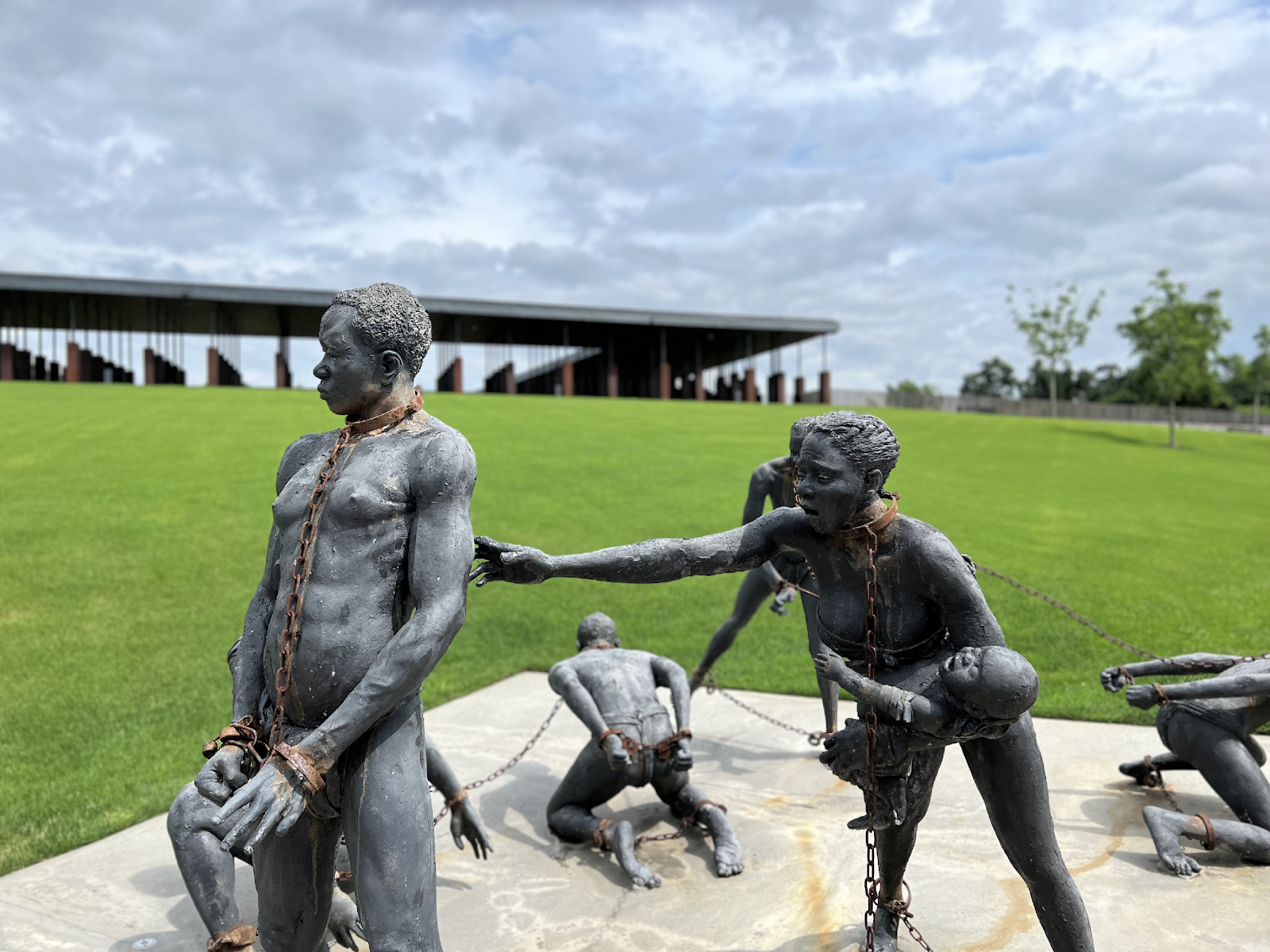
A United Nations resolution recognising transatlantic slavery as the gravest crime against humanity and calling for reparations has been adopted, marking a major diplomatic win for Ghana and its allies in Africa and the Caribbean.
The resolution was approved by the UN General Assembly on Wednesday with 123 countries voting in favour. Three countries, including the United States and Israel, voted against it, while 52 others, among them several European Union members and Britain, abstained.
Although the resolution is not legally binding, it carries strong political significance and reflects growing international pressure for formal acknowledgement of slavery’s historical impact and its continuing effects today.
Ghana’s Foreign Affairs Minister Samuel Okudzeto Ablakwa said the measure was intended to promote accountability for centuries of human exploitation and to support global efforts to address the legacy of slavery.
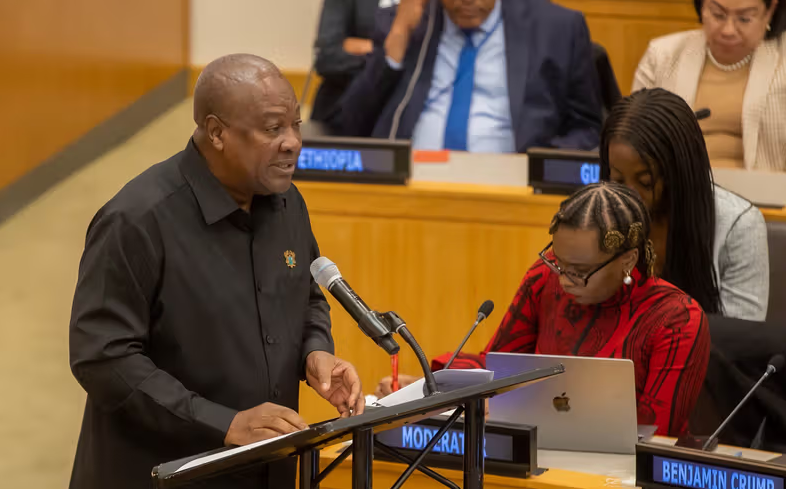
Calls for apologies, compensation and dialogue
The adopted resolution encourages UN member states to begin discussions on reparative justice, including formal apologies, financial compensation, the return of stolen cultural artefacts and guarantees that such abuses are never repeated.
United Nations Secretary-General Antonio Guterres told the General Assembly that countries needed to take far stronger action to confront historical injustices and their modern consequences.
The vote represents the most explicit recognition yet by the UN of transatlantic slavery as a crime against humanity, according to legal experts and historians who have followed the long-running global reparations debate.
Africa’s push gains momentum
The resolution is part of a broader campaign led by African governments and supported by the African Union to secure global acknowledgement of the transatlantic slave trade and to build a framework for reparations.
Between the 15th and 19th centuries, more than 12 million Africans were forcibly taken across the Atlantic, with many more dying during capture, transport or in brutal conditions on slave ships.
Historians say the trade devastated African societies while contributing to the economic rise of European powers and the Americas.
In recent years, African and Caribbean nations have stepped up efforts to push for a unified position on reparations, including proposals for a dedicated UN tribunal to examine claims linked to slavery and colonialism.
Western countries raise legal concerns
Despite supporting broader recognition of slavery’s brutality, the United States and several European countries opposed or abstained from the vote, arguing that the resolution could create legal and historical complications.
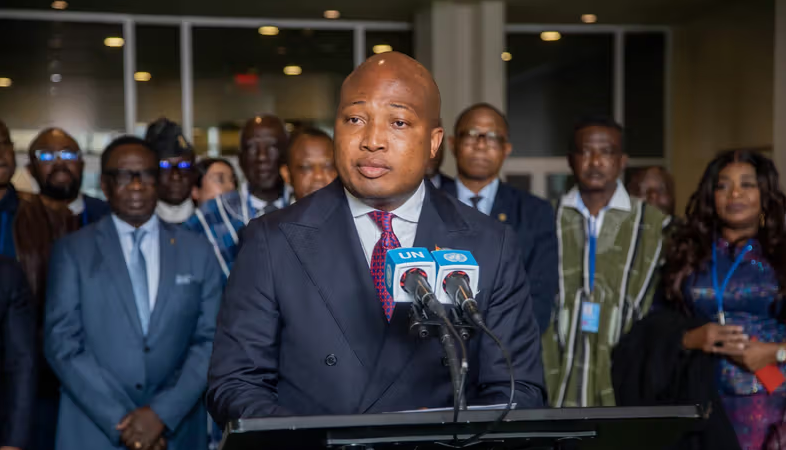
Representatives from the European Union said they were concerned that describing one atrocity as the “gravest” crime could imply a hierarchy among crimes against humanity. U.S. officials also warned that attempts to apply modern legal standards to historical events could be problematic.
Even so, supporters of the resolution argue that the vote marks a turning point in international diplomacy, as it moves discussions on slavery and reparations from academic and political debates into formal UN decision-making.
While the resolution does not create legal obligations, analysts say it gives renewed momentum to the global reparations movement by placing the issue firmly on the international agenda and encouraging further negotiations between affected nations and former colonial powers.
For Ghana, which led the push for the measure, the adoption of the resolution represents the culmination of months of lobbying and signals growing support among developing countries for stronger international recognition of historical injustices.
About the Author