While peace talks stall in Doha and are being moved to Switzerland, the AFC/M23 coalition is quietly building a parallel state in eastern Congo one water pump at a time.
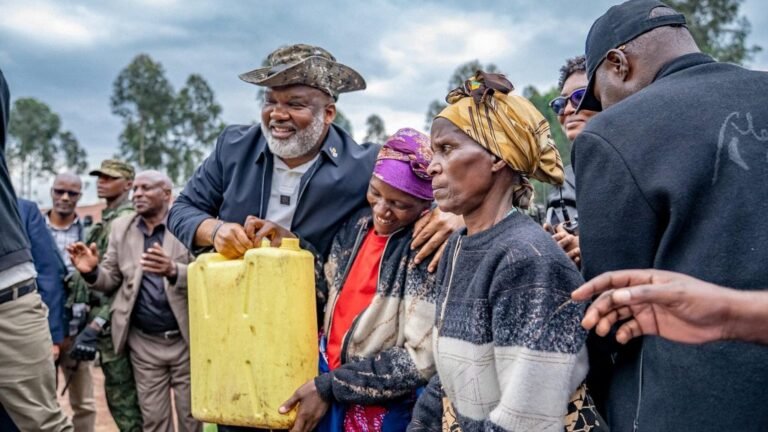
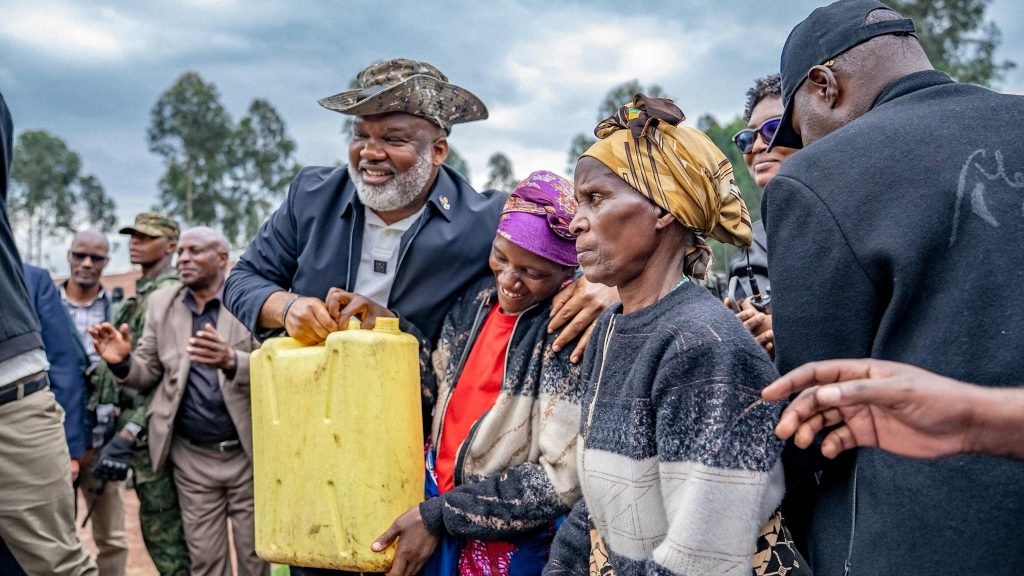
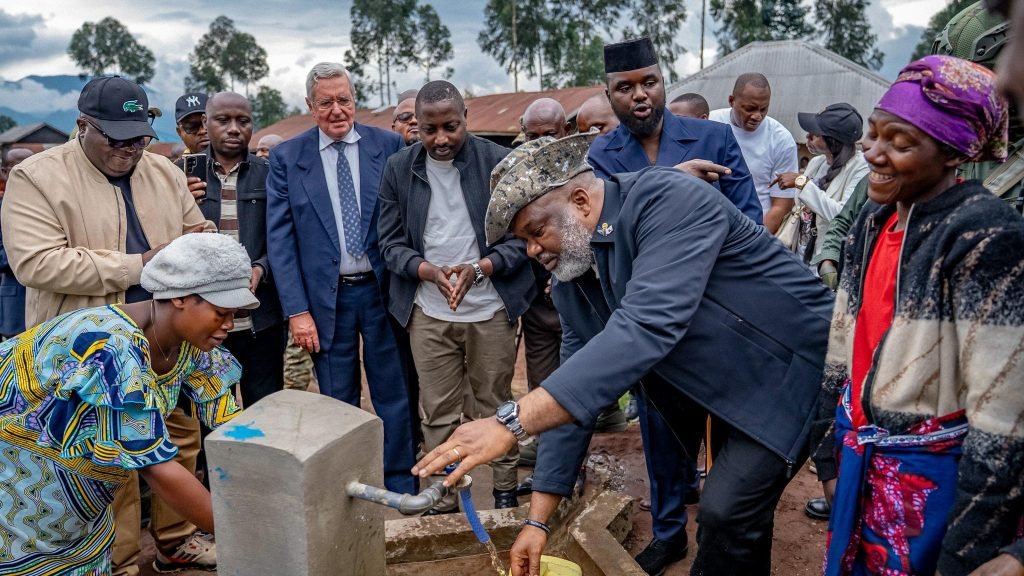
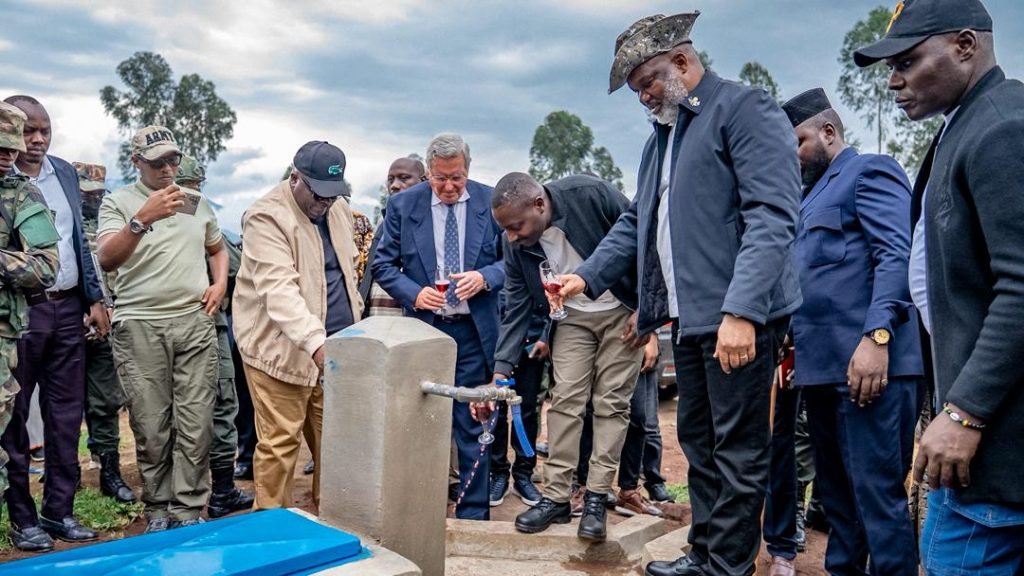
In Rutshuru and the surrounding foothills of North Kivu, the AFC/M23 rebel coalition has spent April 2026 inaugurating water pumping stations and distributing clean drinking water to communities it controls. Rebel officials gathered in Kibumba to unveil a refurbished water pumping station, claiming the project would serve thousands of residents who have faced chronic shortages for years.
The message from M23 leadership is deliberate: Kinshasa ignored you for decades. We showed up.
In the territories it has seized, M23 is actively implementing state-like governance structures, prioritizing control over strategic, mineral-rich regions which not only finances its operations but positions the group as a key player in global supply chains for critical minerals.
The water projects are the softer, public-facing dimension of a much harder strategy. In the course of 2025, the group has established a parallel administration in the areas it controls in North and South Kivu, running local and provincial councils and a reconstituted police force. All evidence suggests the insurgents intend to stay.
The timing is strategic
Peace talks between M23 and the Congolese government are due to resume in Switzerland in mid-April, under the auspices of Qatar. AFC/M23 has confirmed the withdrawal of its forces from parts of Lubero territory, describing the move as part of its commitments under the ongoing peace process.
Goma Mayor Julien Katembo Ndalieni moved quickly to manage public anxiety, telling residents: “Don’t worry, we will never withdraw from Goma. The redeployments observed in the Lubero territory are part of the commitments made within the framework of the ongoing peace process.”
The water projects serve the same reassurance function. They tell local populations that even as the group makes tactical withdrawals at the frontline, the administration the schools, the police, the taps stays in place.
But the contradictions are sharp. While M23 celebrates new taps in controlled villages, the broader conflict has crippled the region’s main power grids, frequently cutting off the heavy-duty pumps required to supply Goma’s millions. The same group announcing clean water access is also responsible for the energy instability that undermines it.
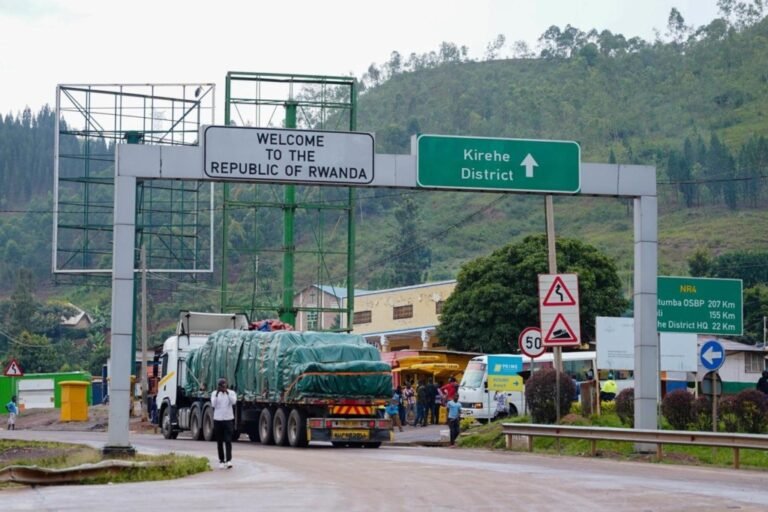
For Rwanda, this is the most sensitive dimension of an already complicated position
Kigali has consistently denied direct involvement in M23 operations while framing its presence in eastern DRC as a defensive measure against the FDLR the genocidal militia that emerged from the 1994 Genocide against the Tutsi.
The European Union imposed targeted sanctions on Rwandan Defense Forces officers in March, including commanders of special forces and divisional units operating in eastern DRC.
As M23 builds water systems and schools in North Kivu, the infrastructure becomes part of the political evidence making any eventual withdrawal not just a military question but a governance one.
Analysts note that key to any peace deal will be an initial agreement between the DRC and Rwanda on what an acceptable end state to the conflict can look like something the US is uniquely positioned to facilitate, though there is a risk this will fail without support from the EU, UK, and African Union, who have felt excluded from the process.
The Switzerland talks in mid-April will determine whether the water pumps in Kibumba become a footnote or a foundation. Neither side has made compromises on their maximalist negotiating positions M23 is likely content continuing to entrench its de facto control over the Kivus, while the Congolese government refuses to make political concessions to a group it views as illegitimate.
Meanwhile, 26.6 million people a quarter of the DRC’s population are expected to face food insecurity this year, with the UN warning that humanitarian action alone cannot carry the burden of peace.
The taps M23 is turning on in Rutshuru will not fix that. But they are making Kinshasa’s task of retaking the narrative considerably harder.
About the Author