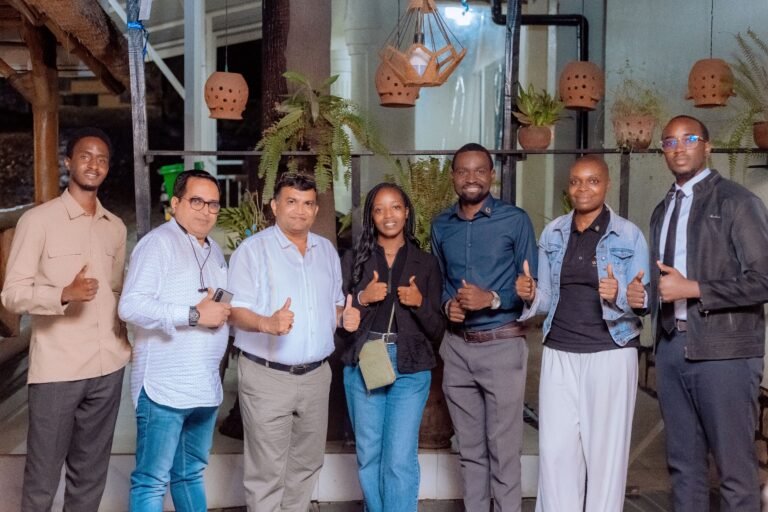
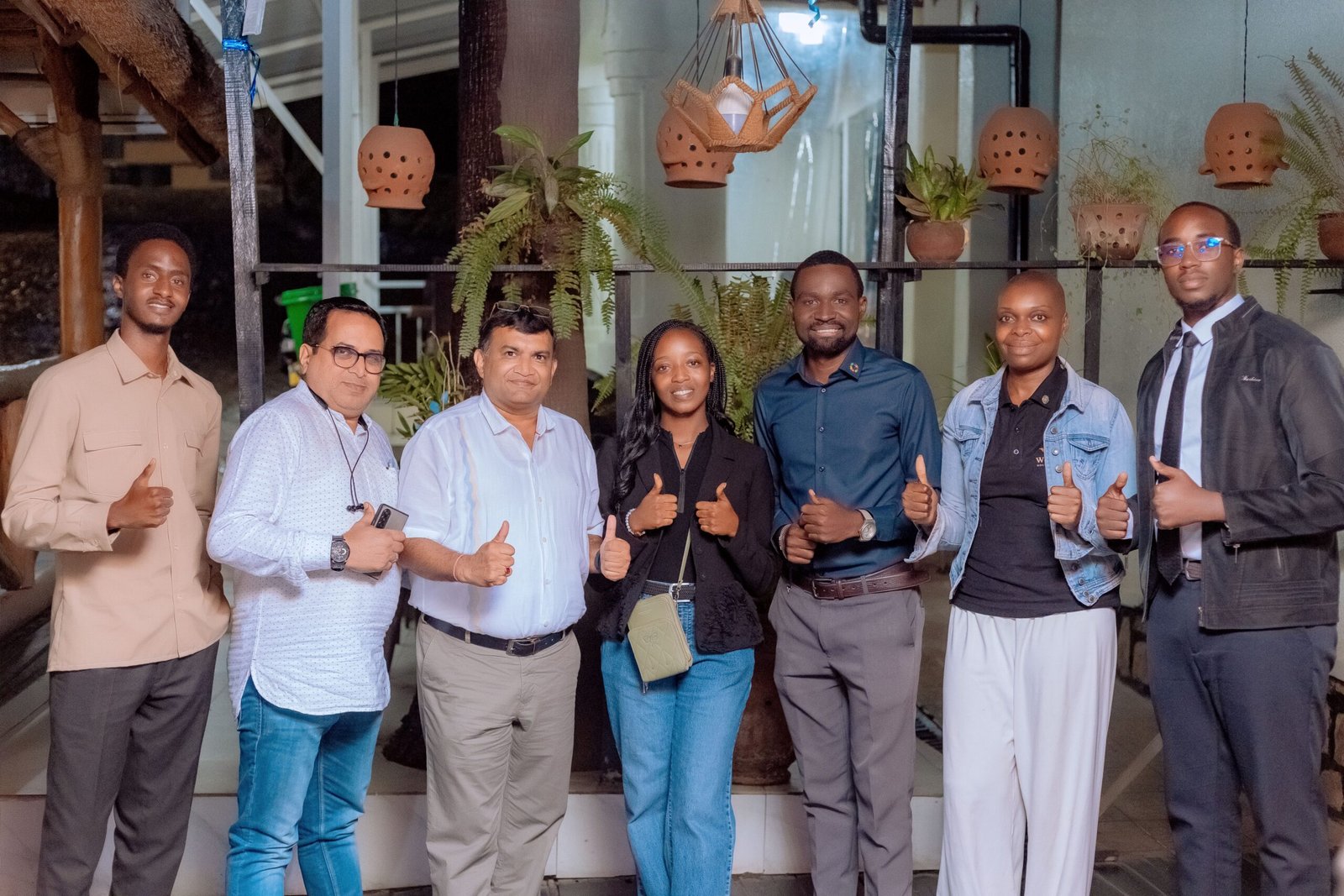
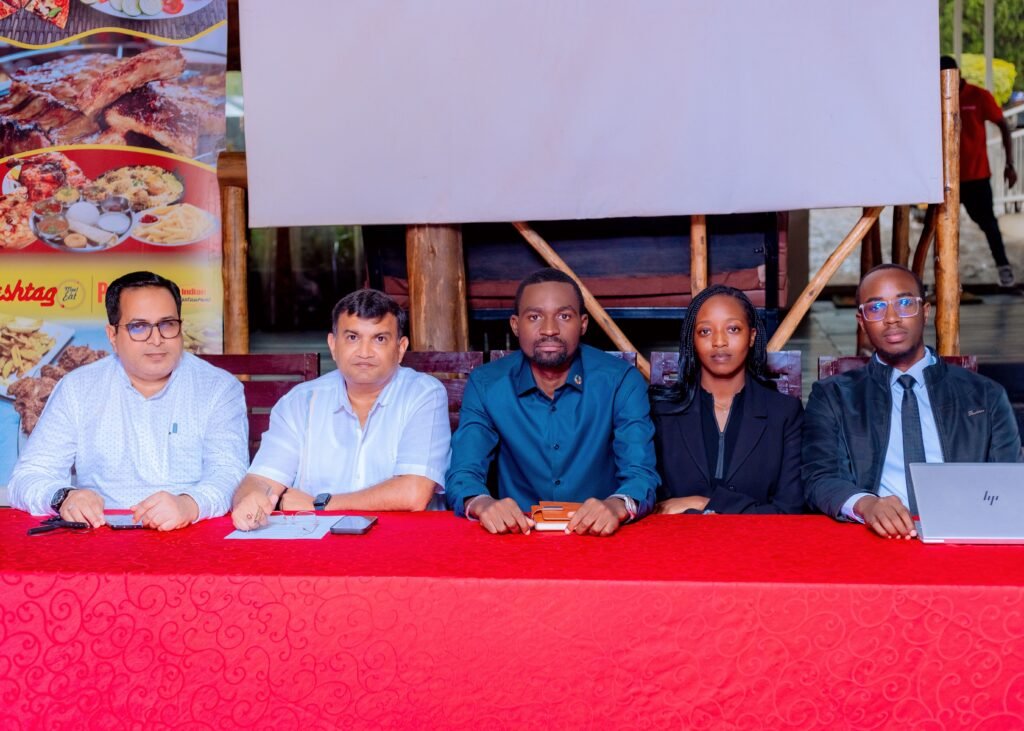
Kigali is buzzing ahead of the first-ever Rwanda Diplomatic Charity Bazaar, and this one isn’t just another weekend of food stalls and polite speeches. Organizers told INTO RWANDA during a press conference that the heart of the event is rural artisans whose work rarely gets the spotlight it deserves.
The maiden edition, set for November 22 at Greenhills Academy, is being led by the Intercultural Bridge Group, a community-benefit organization that has spent years doing the unglamorous groundwork with youth and women-led cooperatives across the country.
Chief organizer Edison Niyontegereje explained to INTO RWANDA that this bazaar is meant to be more than a diplomatic festival. It’s a culmination of long-term engagement with dozens of cooperatives that depend on traditional craftsmanship but struggle with markets, tools and visibility.

“We are organizing charity to support 50 youth and women-led cooperatives, especially in rural areas,” he told INTO RWANDA. “We already work with them, we know their issues, and we’ve heard their obstacles first-hand.”
Nearly 10 embassies and high commissions, including India, Russia and several African states, are slated to showcase their cultures. But according to Niyontegereje, the event’s real mission is convincing artisans that their craft is a profession worth taking seriously.
“We want to show them that they can still build a life through this artisan industry,” he said. The 50 cooperatives selected were chosen based on existing partnerships and on-the-ground needs. “We knew what they lack and what their challenges are, so we’re starting with those who need support the most.”
The team has set a fundraising target of USD 100,000, and they insist transparency won’t be optional. “We shall explain everything,” Niyontegereje told INTO RWANDA. “A clear scale of how much was raised and exactly where it’s going.”
The event will run from 9 a.m. to 6 p.m., and embassies will rotate through cultural presentations. Operations manager Dries Marie Karangwa described it to INTO RWANDA as a cultural marathon.
“Every embassy will have 30 to 40 minutes to present its culture,” she said. “Visitors will experience these cultures directly from the people who represent them.”
In the afternoon, a high-value auction and raffle will take place, featuring artisan-made works and embassy-donated items valued at about 10 million RWF.
Volunteers are already fired up. Kuzo Louange, a Rubavu-based volunteer, told INTO RWANDA that the team is committed. “We’ll make it happen. I’m proud to be part of this journey.”
Organizing committee member Dr. Saurabh Singhal said the team isn’t interested in one-off donations. The bigger picture is sustainable support, including a mobile e-commerce platform to give artisans access to global markets.
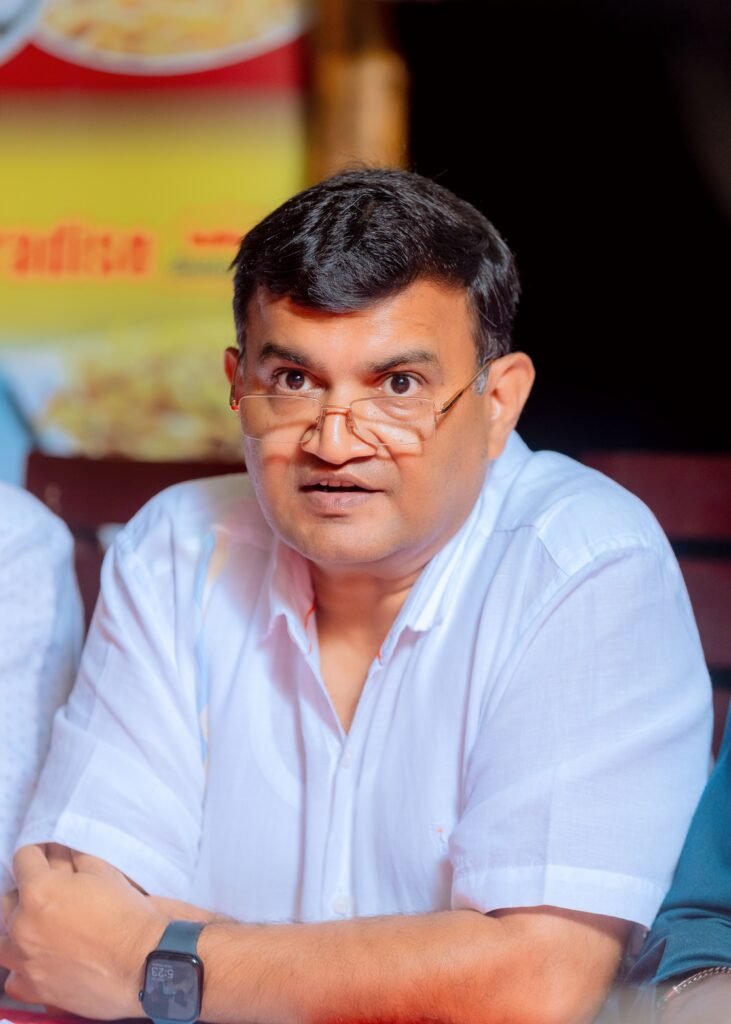
“Just giving them money is not really helping. You have to help them sustainably,” he said. He also noted that participation from BRICS and Global South countries confirms that the bazaar is shaping up to be one of Rwanda’s biggest charity events yet.
With more than 2,000 visitors expected, plus a menu of global cuisines, cultural showcases and performances, the bazaar looks set to deliver more than entertainment. If it stays true to its promises, it might shift how Rwanda’s rural artisans connect with the world.
Author
About The Author