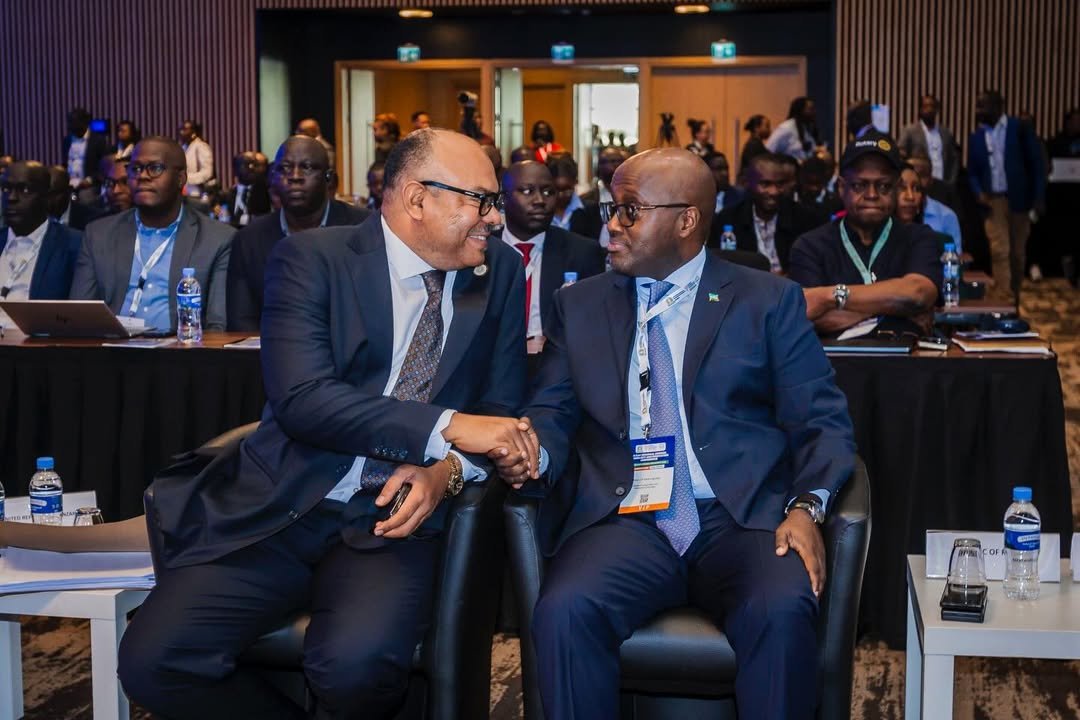
Kigali is hosting East Africa’s most significant science and technology gathering this week, with ministers, researchers, and innovators from across the region converging at the Kigali Convention Centre for a three-day conference that puts artificial intelligence squarely at the centre of the region’s development agenda.
The 4th EAC Regional Science, Technology and Innovation Conference, jointly organised by the East African Science and Technology Commission (EASTECO) and the Inter-University Council for East Africa (IUCEA), runs from March 30 to April 1 under the theme “Harnessing Artificial Intelligence for a Resilient, Inclusive, and Innovative East Africa.”
It is the first edition of the biennial conference to place AI exclusively at the centre of its agenda as a driver of digital transformation and inclusive growth. Rwanda’s Minister for ICT and Innovation Paula Ingabire is presiding over the opening, joined by the EAC Chair of the Council of Ministers, the EAC Deputy Secretary General, and heads of EAC institutions.
More than 680 delegates are expected in person, with additional participation through hybrid streaming, drawing high-level delegations from all eight EAC Partner States.
EASTECO Executive Secretary Dr. Sylvance Okoth set the tone for the gathering plainly.
“This conference is not merely a gathering of experts it is a call to collective action,” he said. “East Africa stands at a defining crossroads and how we choose to harness artificial intelligence in the coming years will determine the prosperity and resilience of our region for generations to come.”
The programme spans six thematic areas including agriculture, health, education, and climate resilience among them and will feature policy dialogues, scientific paper sessions, and a dedicated Youth Innovation and Entrepreneurship showcase highlighting AI solutions from youth- and women-led startups. A pre-conference Digital Leaders Forum focused on AI governance and infrastructure has already set the stage for the ministerial discussions ahead.
This conference arrives as Rwanda continues to sharpen its own AI and digital infrastructure positioning. The country has been advancing its Smart Rwanda Master Plan, building data centre capacity, and hosting a growing number of global tech players.
Kigali’s selection as the venue is itself a signal Rwanda has become the default convening point for high-stakes regional technology conversations, a role it has played consistently in recent years across health, finance, and now AI governance.
IUCEA Acting Executive Secretary Prof. Idris Rai underlined the centrality of universities in this process, saying the research and academic community “has a defining role to play in shaping an AI-driven future that is equitable, evidence-based, and grounded in the realities of our region.”
The conference aligns with continental frameworks including AU Agenda 2063, the Science Technology and Innovation Strategy for Africa (STISA-2034), and the AU Continental AI Strategy. At the EAC level, it feeds directly into work on a Regional Artificial Intelligence Strategy that prioritises ethical governance and responsible adoption across Partner States.
Three days of deliberations are expected to produce concrete policy recommendations that EAC member governments will take back to their respective capitals. The outcome document is likely to inform how national AI strategies are revised and how regional funding for research and skills development is allocated over the next two to three years.
For Rwanda, the opportunity to shape that conversation from the host seat is both a diplomatic advantage and a practical one, the country’s own digital economy ambitions run in exactly the direction this conference is pointing.
About the Author