Rwanda’s health authorities confirmed that 4,192 people experienced trauma-related episodes during last year’s Kwibuka 31 commemoration and with the 100-day mourning period for Kwibuka 32 beginning April 7, the Rwanda Biomedical Centre is already deploying mental health teams across the country.
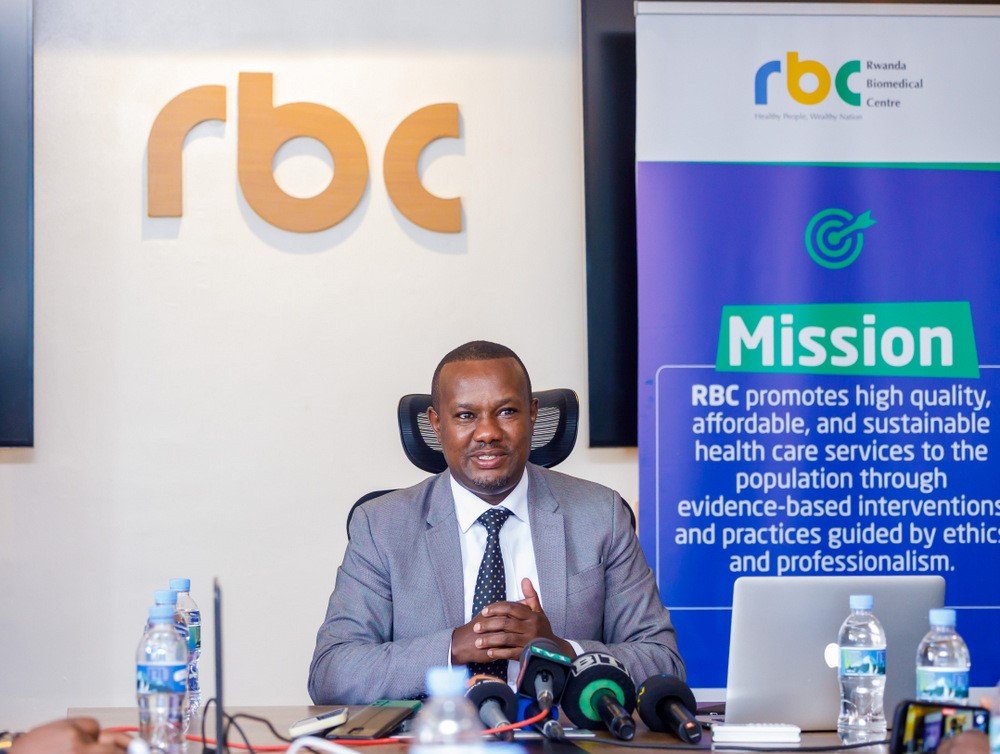
Of those affected in 2025, 2,666 collapsed at commemoration sites, while another 1,526 developed symptoms at home and were later brought in for treatment. Dr. Darius Gishoma, head of the Mental Health Division at RBC, disclosed the figures during a press briefing in Kigali on April 2, 2026.
Trauma during Kwibuka is not a sign of failure — it is a sign of how deep the wound still runs. But Gishoma offered an important comparison: between 2010 and 2015, Rwanda was recording over 4,000 trauma cases from commemoration sites alone.
Last year, that figure from sites had dropped to just above 2,000. The total remained above 4,000 only because RBC is now capturing more cases from homes and communities — people who previously suffered in silence.
“This shows the resilience of Rwandans,” Gishoma said, “though the journey of healing continues.”
Health experts also flagged a complicating factor: 1,755 of those affected in 2025 had pre-existing conditions — including heart disease, diabetes, hypertension, and cancer — illnesses that intensify under emotional distress. That overlap between physical and psychological vulnerability is something Rwanda’s healthcare system is increasingly being asked to manage simultaneously.
Perhaps one of the more striking details from the April 2 briefing: 10% of last year’s trauma cases involved young people aged 18 to 30 — people born after 1994 who never experienced the genocide directly. Trauma healing expert Dr. Chaste Uwihoreye explained why.
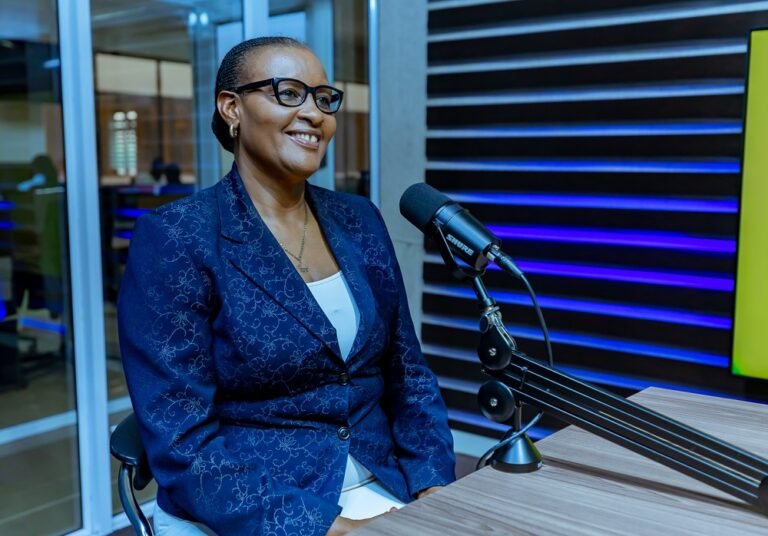
“Young people are naturally curious about their family history,” she said. “Some seek to understand what happened to their relatives, but in the process, they may encounter painful information that becomes overwhelming.”
This intergenerational trauma dynamic is not unique to Rwanda. Across post-conflict Africa — from South Sudan to Mozambique — researchers have documented how historical violence transmits psychologically through families, even when direct survivors are no longer present. Rwanda’s structured national response, however, remains one of the continent’s most deliberate and institutionalized.
Julienne Murorunkwere of AVEGA Agahozo — the association representing widows of the genocide — noted that structured dialogue sessions among survivor communities have meaningfully reduced crisis episodes during commemoration periods. The model works: peer support within trusted circles buffers the psychological weight of April.
The challenge, she acknowledged, is material. Housing conditions for many vulnerable survivors remain inadequate, and those limitations directly constrain mental health outcomes. Trauma recovery does not happen in a vacuum — it requires safety, stability, and dignity in daily life.
RBC says it has scaled up its Kwibuka 32 response — coordinating mental health professionals across all levels of the health system, from district hospitals down to community health workers. Coverage will extend beyond commemoration sites to reach people in their homes. The approach is both clinical and communal: trained counselors will be present, but families and neighbors are also being called to act.
“Visit them often,” Gishoma urged. “Remind them they are not alone.”
Rwanda enters this commemoration period with a healthcare system that is more prepared than any previous year — and with data that shows a long, slow, but measurable improvement in national psychological resilience. The grief is real. So is the progress.
About the Author