The Basketball Africa League returns to Kigali for its playoffs and finals from May 22 to 31, but beyond the spectacle, Rwandans have a real stake in what happens inside and outside BK Arena.
When the final buzzer sounds on May 31 at BK Arena, one team will lift the 2026 BAL trophy in Kigali for the fifth time.
That is not a coincidence. Rwanda has a long-term agreement with the BAL that guarantees Kigali hosts the playoffs and finals on a recurring basis.
That deal is not just about basketball, It is about what basketball brings with it and what it leaves behind.
This is not charity, Rwanda negotiated this.
In 2023, the Rwanda Development Board signed a multi-year extension with the BAL that locks in playoffs and finals for 2024, 2026, and 2028, while also securing youth development and social impact programs alongside the games.
That is a deliberate, long-term play. Rwanda is not simply a host, it is a partner, one that put its negotiating muscle behind making Kigali the permanent home of African basketball’s biggest moment.
In just the first two years of the BAL partnership, Rwanda recorded a net economic benefit of $9.1 million to its economy. That number alone should end the debate over whether this is worth it.
Since the BAL’s first edition in 2020, the league has created opportunities for local traders, transporters, hotels, and youth working around the events.
This is not trickle-down economics. When 10,000 fans pour into BK Arena every night, they are eating in Remera, taking motos across Kigali, sleeping in guesthouses, and buying from street vendors.
The neighbourhood around BK Arena was transformed once construction began in 2019. Before the arena existed, Remera was known for poverty and minimal economic activity. Better restaurants and bars came up and have stayed.
The world watches and Rwanda sells itself
The 2025 BAL season reached fans in 214 countries and territories, broadcast in 17 languages, and set an attendance record with more than 140,000 spectators, generating over 1.2 billion impressions across NBA and BAL social media channels.
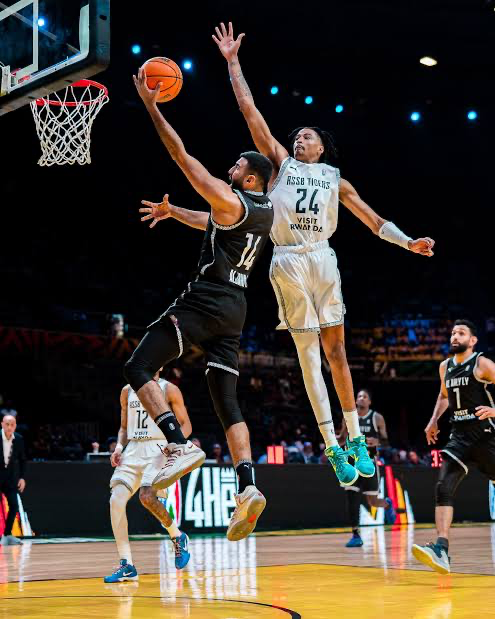
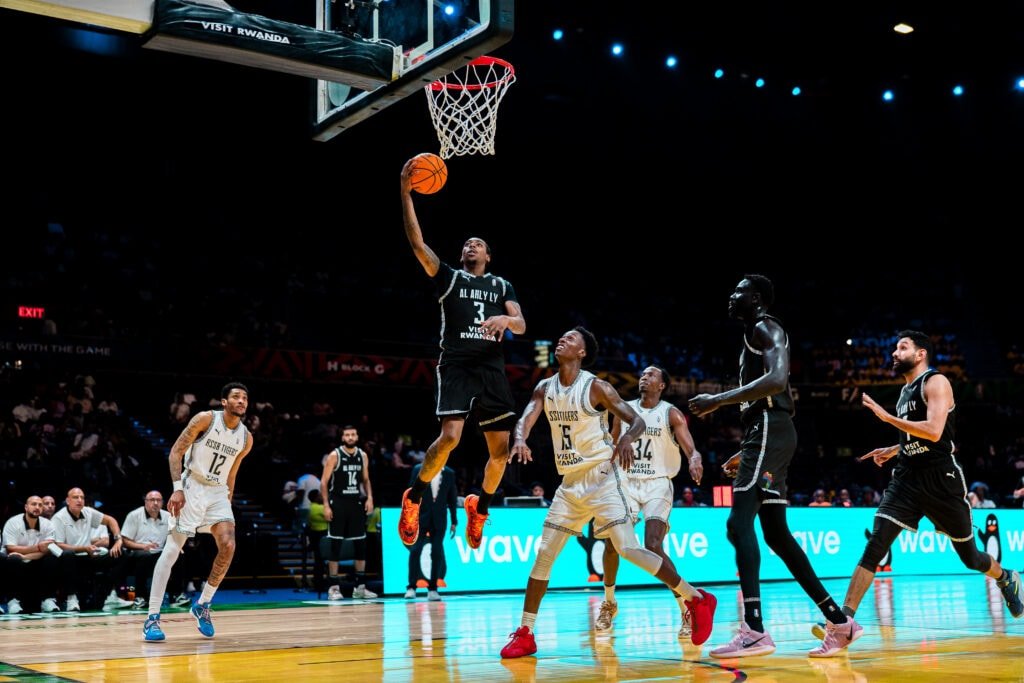
Every game played in Kigali carries a “Visit Rwanda” logo on every player’s jersey. That is a marketing campaign money alone cannot buy and Rwanda structured its partnership to guarantee exactly that exposure.
Rwanda earned $647 million in tourism revenue in 2024, up 4.3% from the year before, and has set a target of $1.1 billion annually by 2029.
There is a talent pipeline being built too
This year, Rwanda’s own RSSB Tigers qualified for the playoffs after finishing top of the Kalahari Conference in Pretoria. RSSB Tigers topped the conference standings at 4-1, qualifying for the Kigali playoffs alongside Angola’s Petro de Luanda.
Rwandan fans will watch their team compete at home for the championship, against the best clubs on the continent. That visibility matters for Rwandan players, coaches, and the next generation watching from the stands.
Alongside the matches, development programmes are being organised in host countries, including training camps for young players, training for coaches and referees, as well as initiatives around the BAL4HER programme dedicated to promoting women’s basketball. These programmes outlast the games. They build infrastructure that stays.
Rwanda is not just hosting basketball. It is building a case that Kigali belongs in the same conversation as Johannesburg, Cairo, and Lagos as a continental capital not just politically, but economically and culturally.
Rwanda has demonstrated its ability to blend competition with culture, and the influx of international visitors during major sporting events stimulates the local economy, supporting both traditional tourism and emerging sports tourism sectors.
The BAL in Kigali is not a gift. Rwanda earned it, negotiated it, and continues to extract real value from it. For Rwandans, the trophy ceremony on May 31 is not just a basketball moment. It is proof that a small country, with the right strategy, can make the whole continent come to it.
About the Author