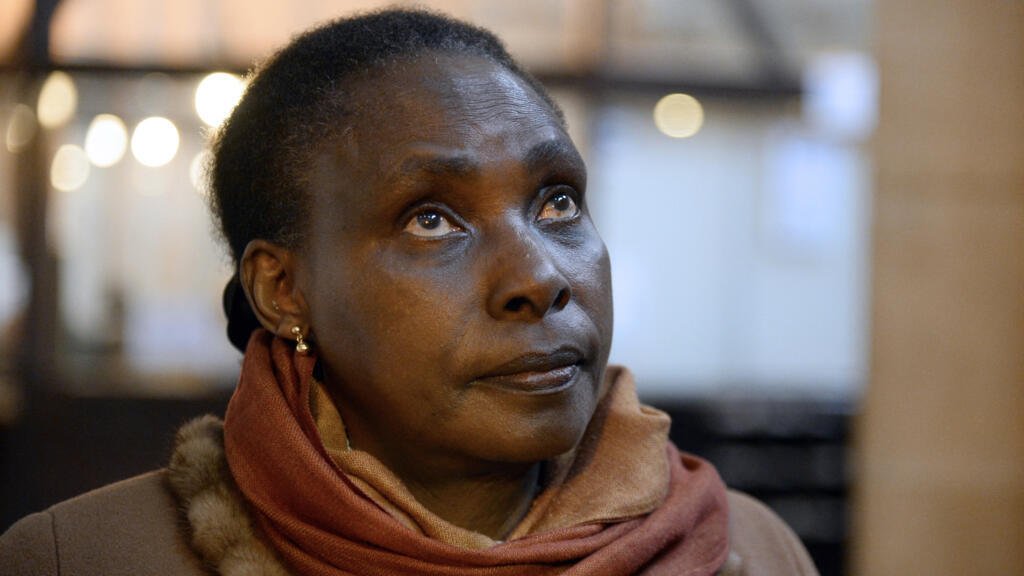
The Paris Court of Appeal ruled today that the genocide investigation into Agathe Kanziga Habyarimana, Rwanda’s former First Lady and widow of President Juvénal Habyarimana must continue.
The court threw out the 2025 dismissal that had cleared her of all suspicion, handing a major legal victory to Rwandan survivors and France’s own anti-terrorism prosecutors.
The Paris Court of Appeal overturned the non-lieu, the dismissal issued in 2025 by two Paris investigating judges in favor of Agathe Habyarimana, and ordered that the investigation must proceed.
She has been under investigation in France since 2008 on charges of complicity in genocide and crimes against humanity.
The court’s investigating chamber annulled the dismissal granted to Agathe Habyarimana and demanded the instruction continue. The hearing had originally been scheduled for April 8, 2026, before the appeals court extended its deliberation without explanation.
This reverses a decision in which the original judges had concluded there was no sufficient evidence she had been complicit in acts of genocide or participated in a conspiracy to commit it, a finding that prosecutors and survivors’ groups had refused to accept.
In their January submissions, the Advocate General had called the 2025 dismissal “at the very least premature,” pointing to what he described as serious and corroborating evidence suggesting Habyarimana’s involvement in a conspiracy and support for genocidal intent.
He also said the investigation remained incomplete, citing requests made by prosecutors in 2022 and 2024 for further inquiries including witness testimony, confrontations, and a review of her asylum status which were ignored or rejected by the investigating judges.
Now 83, Habyarimana Kanziga has been under investigation since 2007 and has never been formally charged. Since 2016, she has held the intermediate legal status of an assisted witness, a step below formal indictment. That status, and what follows from it, is now back in play.
At the center of the case is a question Rwanda has been asking for 32 years: was Agathe Kanziga Habyarimana the real power behind the genocide?
According to the four civil party associations, Habyarimana was one of the leaders of the Akazu, the inner circle of Hutu power that allegedly orchestrated the genocide, a thesis she has consistently rejected, presenting herself as a homemaker with eight children and no connection to politics.
Today’s decision doesn’t stand alone. Earlier, the Paris appeals court also overturned the decision to drop the investigation into former Rwandan army officer Cyprien Kayumba, who is accused of supplying weapons used during the massacres.
That ruling means he will now face trial for complicity in genocide and crimes against humanity. Taken together, the two rulings signal that French courts are tightening, not loosening their grip on 1994 genocide accountability cases.
For Kigali, this ruling is more than a legal update. It sits inside a broader and still-fragile diplomatic relationship with Paris. France helped airlift Habyarimana out of Rwanda in April 1994. For decades, it sheltered her.
President Macron, during a 2021 visit to Rwanda, acknowledged France’s responsibilities in the genocide and said only survivors could grant the gift of forgiveness, but stopped short of a formal apology.
Having France’s own prosecutors and appeals court now insist the investigation must go on sends a message that cannot be dismissed as diplomatic language.
About the Author