Uganda has detained at least 231 foreign nationals in an ongoing immigration crackdown that authorities say is connected to human trafficking networks and cyberscam operations, making it the largest enforcement action of its kind in the country this year.
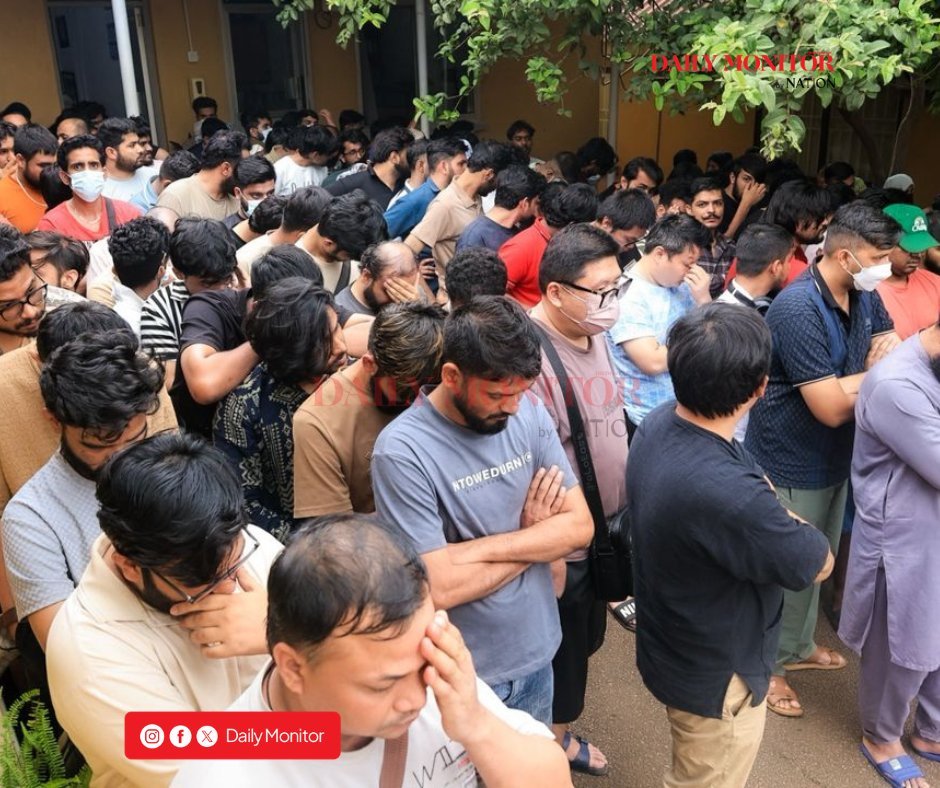
Operations that began on Monday targeted two separate groups: a community of Nigerian nationals living in northern Uganda, and a second, more striking cluster of foreigners found living together inside a closed compound in Kampala.
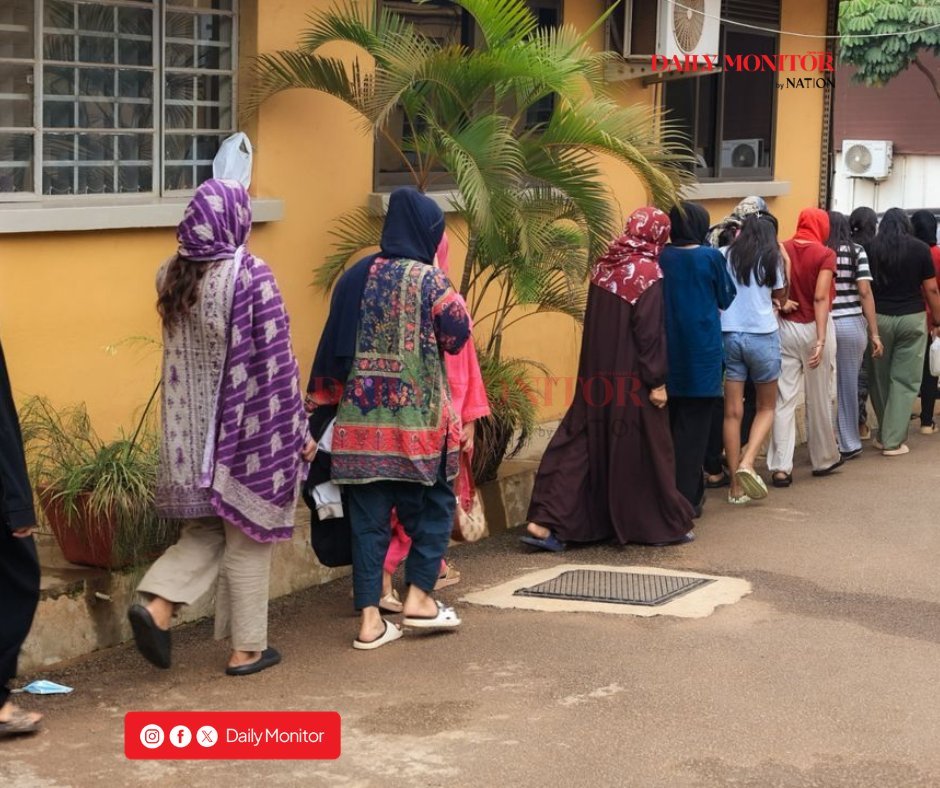
That second group made up of nationals from Pakistan, India, Bangladesh, Ghana, Myanmar, Ethiopia, Sri Lanka, Cambodia, and Malaysia was housed in what authorities described as a highly restricted, self-contained apartment complex with its own restaurant and internal facilities.
The setup immediately raised flags about potential organised criminal activity.
Uganda’s Internal Affairs Ministry suggested the operations were linked to human traffickers and cyberscam networks, a pattern increasingly associated with large, closed residential compounds in Southeast Asia and now appearing in parts of Africa.
The Daily Monitor, quoting Internal Affairs spokesperson Simon Mundeyi, confirmed authorities had arrested over 200 people without valid work permits or visas and were operating businesses illegally.
Today’s operation is not a one-off. Uganda’s Directorate of Citizenship and Immigration Control has been running escalating enforcement since at least early 2026.
In March, authorities arrested 66 irregular immigrants in a night operation in Jinja City in eastern Uganda, including nationals from India, Nepal, China, and Pakistan all flagged for working without valid documentation. Mundeyi signalled then that the crackdown would keep moving. It has.
Officials say the concern goes beyond documentation, the government argues that undocumented foreign nationals are taking jobs in retail trade and the informal sector that could otherwise go to Ugandans, with Uganda’s unemployment rate sitting at around 9% and youth unemployment at over 13%.
That political pressure makes the crackdowns easier to justify domestically, even as human rights observers watch how detainees are treated.
The Bigger Picture: Uganda’s Migration Pressure
Uganda is simultaneously navigating two very different migration crises. On one side, it hosts nearly 1.7 million refugees from the DRC and South Sudan, one of the largest refugee populations in Africa and has historically been praised for its open-door policies.
On the other, it is now a receiving country for US deportees under a controversial agreement with the Trump administration. The first deportation flight landed at Entebbe in early April, carrying 12 individuals with no ties to Uganda, under an arrangement the Uganda Law Society condemned as an act of “transnational repression.”
The combination of absorbing deportees, hosting millions of refugees, and cracking down on undocumented economic migrants points to a Ugandan government under acute immigration pressure from multiple directions and using enforcement as the most visible lever it has.
Mundeyi confirmed that operations will continue, with teams moving to eastern and then western Uganda. Employers who have hired undocumented workers are being warned that they face legal consequences, not just the workers themselves. That shift from targeting individuals to targeting the businesses that employ them, suggests the crackdown is moving into a second, more structural phase.
Whether Uganda’s government treats the trafficking and cyberscam angle as a genuine security concern or uses it as political cover to run broader deportation operations will become clearer as the detained individuals move through the legal system.
What is already clear is that Uganda has decided visible immigration enforcement is politically useful and intends to keep using it.

About the Author