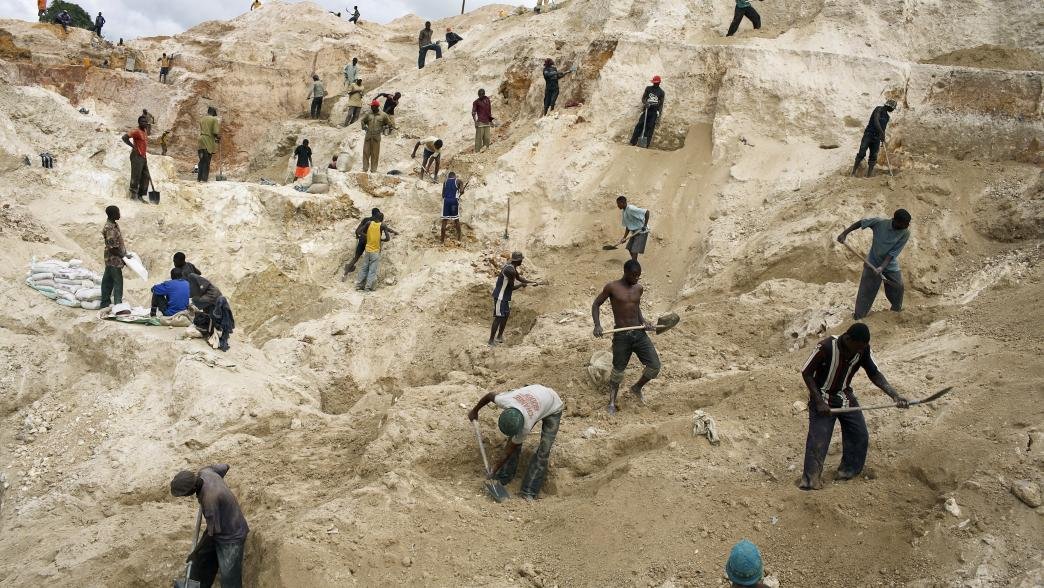
The Democratic Republic of Congo announced on Monday it will deploy a paramilitary force to secure its mining operations across the country, with $100 million in funding and as many as 3,000 armed recruits expected to be deployed by December, scaling up to 20,000 “mining guards” covering all 22 mining provinces by 2028.
The force is being built under the country’s General Inspectorate of Mines, and the plan is described as part of “strategic partnerships” with the United States and the United Arab Emirates, though Kinshasa gave no details on where exactly the financing originates.
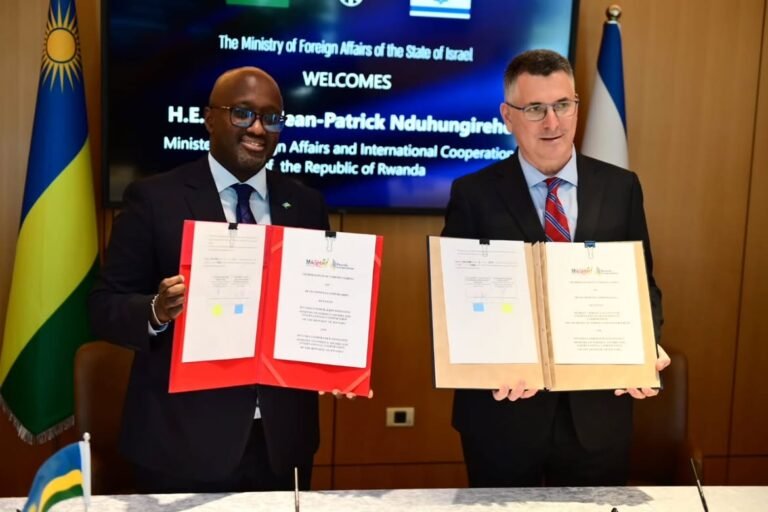
The announcement does not arrive in a vacuum. In December 2025, the DRC, the United States, and Rwanda signed three agreements that their governments described as a milestone for peace and economic integration, with a US-DRC Strategic Partnership Agreement at the center, a deal designed to secure long-term American access to critical minerals essential to defence, energy, and advanced technology supply chains.
The UAE, meanwhile, has been moving in parallel, signing its own comprehensive economic partnership agreement with Kinshasa and a separate framework with Washington, both aimed at bolstering its position in the global critical minerals supply chain.
This new paramilitary force is, in many ways, the physical extension of those paper agreements. The DRC holds some of the world’s most concentrated deposits of cobalt, copper, tantalum, and lithium, minerals that power everything from electric vehicles to smartphones to AI data centres.
The country has traditionally relied on Chinese companies for mining and processing, but Washington and Abu Dhabi have been systematically challenging that dominance through a web of partnerships, including preferential access for US companies to DRC mining projects.
Deploying armed guards across every mining province is how Kinshasa signals to those investors that their assets will be protected.
For Rwanda, the implications are immediate and layered. The DRC and Rwanda have agreed on terms of economic cooperation that include mineral supply chains as part of the broader Washington peace framework, a framework that affirms each country’s sovereign control over its natural resources while committing both to ensuring that revenue from the mineral trade is not used to fund armed groups.
In theory, a secured, demilitarised mining sector in eastern DRC is exactly what the peace deal demands. In practice, standing up a paramilitary force funded by foreign powers in provinces that still see active conflict raises serious questions.
Civil society voices in eastern DRC have been blunt: “When there is war, there is illegal exploitation of our minerals,” said Chirac Issa, an environmental activist based in Tanganyika province, a region that sits at the edge of the ongoing conflict zone.
The harder question is who this force actually serves. Critics have argued that the Washington accords opened up DRC mines to US access, including those previously under M23 control, while promises of peace and security remained hollow.
A paramilitary mining police, funded by external powers with direct commercial interests, fits that critique uncomfortably well. US analysts have noted that Washington has been keen to protect its increasing commercial interests in the DRC, with instability in Katanga, the country’s mineral heartland considered unlikely in the near term precisely because of that American pressure.
About the Author