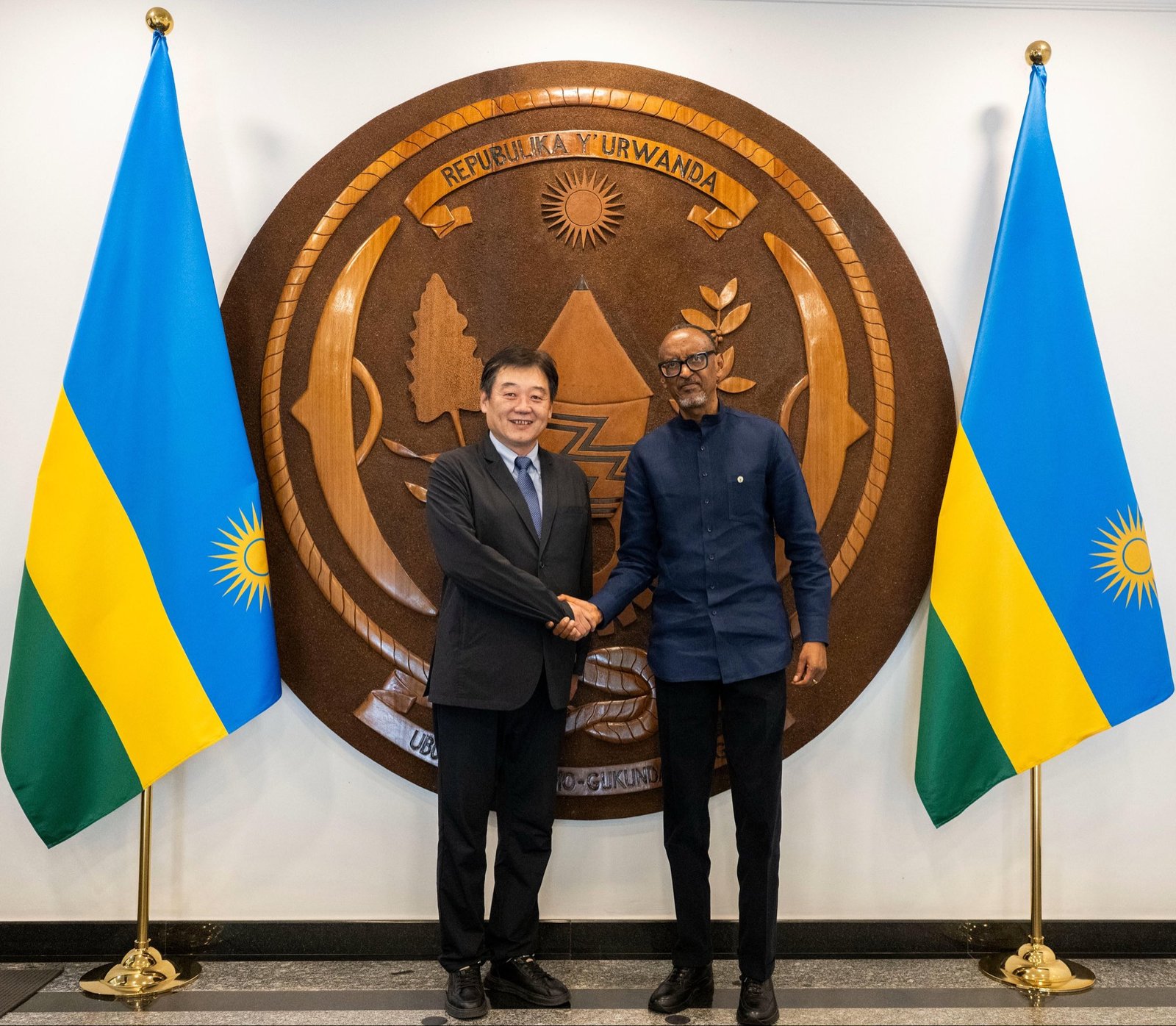
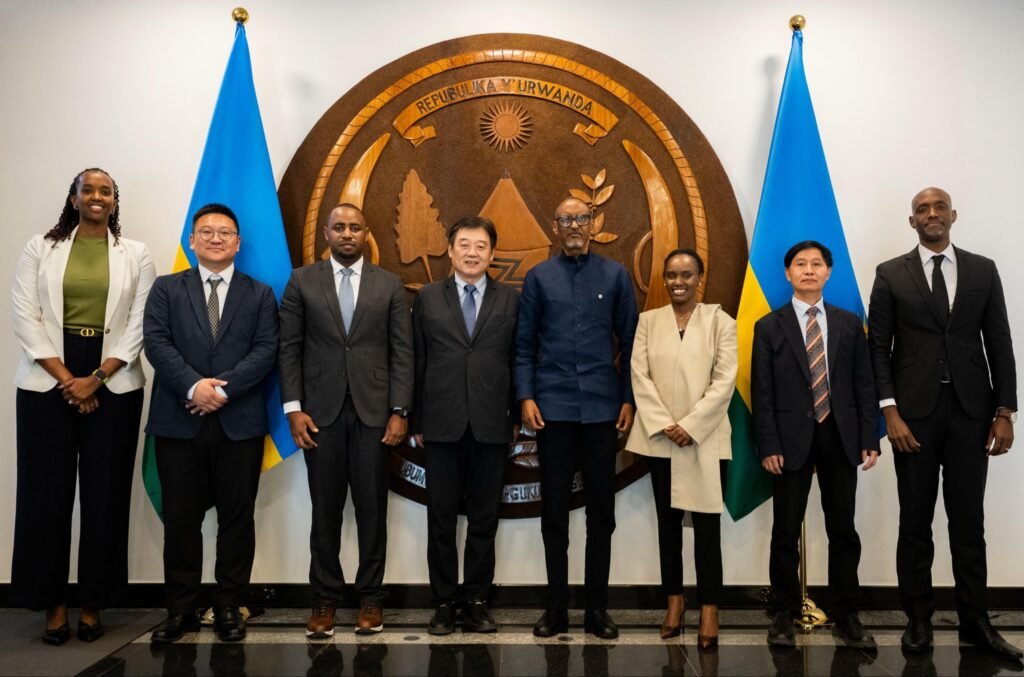
President Paul Kagame received Xu Hui, Chairman of Rich Resource International Investments (RRII) and Vice President and Board Secretary of Chery Holding, at Urugwiro Village on Thursday.
The discussions centered on potential investment opportunities, including the possible establishment of a local electric vehicle assembly plant in Rwanda, a move that would mark one of the most significant manufacturing bets by a major Chinese automaker in the Great Lakes region.
The Chery meeting lands just nine days after Rwanda’s Ministry of Infrastructure issued a directive, dated April 14, 2026, requiring all public institutions to ensure at least 30 percent of newly purchased vehicles are electric.
That policy was itself a direct operationalization of Rwanda’s NST2 2024–2029 framework, which targets a 38 percent reduction in greenhouse gas emissions, equivalent to 4.6 million tonnes of carbon dioxide. In other words, Kigali is not just signalling intent to foreign investors, it is manufacturing domestic demand through state procurement, then inviting factory partners in to meet it.
Chery Holding is no small player. The company has aggressively expanded its African footprint in the past two years. It announced a $20 million investment to establish an EV assembly plant in Nairobi in partnership with Afrigreen Automobile, and separately, Chery’s Vice Chairman Zhang Guozhong met with Uganda’s Prime Minister Robinah Nabbanja to discuss a proposed manufacturing facility that would assemble electric cars, buses, cable railways, car chargers, and solar panels.
Rwanda, if a deal crystallizes, would become the third East African country on Chery’s continental expansion map.
Why Rwanda is making this pitch
Rwanda’s e-mobility ambitions are among the most structured on the continent. The government has pledged to electrify a fifth of its bus fleet by 2030 and established Ecofleet Solutions, a state-owned enterprise, to drive green mobility transformation in Kigali.
By 2030, Rwanda aims to have 20 percent of buses, 30 percent of motorcycles, and 8 percent of cars electrified targets underpinned by duty exemptions for EVs and accessories, and lower electricity tariffs for EV charging.
The total cost of transitioning to e-mobility in Rwanda is estimated at $900 million, though transitioning motorcycles alone would save the economy $22 million annually in fuel imports.
That combination, large public procurement mandate, clear national targets, fiscal incentives, and a fast-growing urban middle class makes Rwanda an increasingly credible pitch to global automakers seeking African assembly bases outside the crowded South African corridor.
Chery’s interest in Rwanda also fits the company’s broader continental strategy. Its recent move to acquire the assets of Nissan’s Rosslyn plant in South Africa in mid-2026 shows it is thinking seriously about African manufacturing, not just exports.
A Rwanda facility would complement that southern base with an East African production node positioned to serve COMESA and EAC markets.
Thursday’s meeting is exploratory. The Rwandan Presidency’s statement noted discussions on “potential investment opportunities” and the “possible establishment” of a plant, diplomatic language that signals genuine interest on both sides but no signed deal yet.
The Rwanda Development Board, which manages investment facilitation, would normally be the next institutional interlocutor. The structure of any deal, whether a joint venture with a local partner, a fully owned Chery facility, or a contract assembly arrangement through an existing Kigali industrial park remains to be determined.
Whether a follow-up delegation or feasibility mission is announced in the coming weeks; whether Rwanda’s Ministry of Infrastructure or RDB makes a formal statement on the talks; and whether Chery’s regional expansion moves its Uganda proposal and its Nairobi plant accelerate enough to absorb East African demand before a Rwanda plant could come online, potentially changing Kigali’s leverage in any negotiation.
About the Author