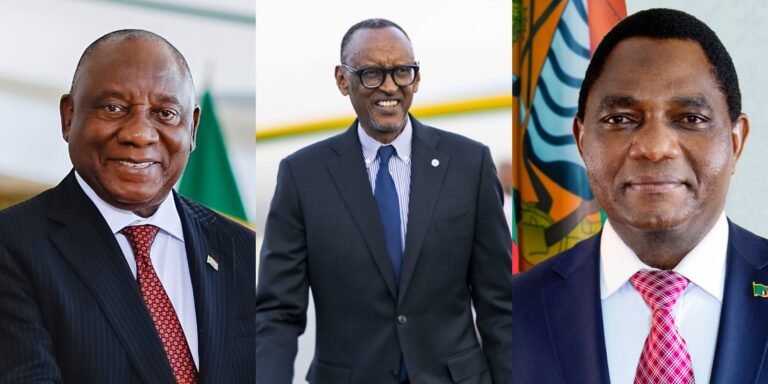
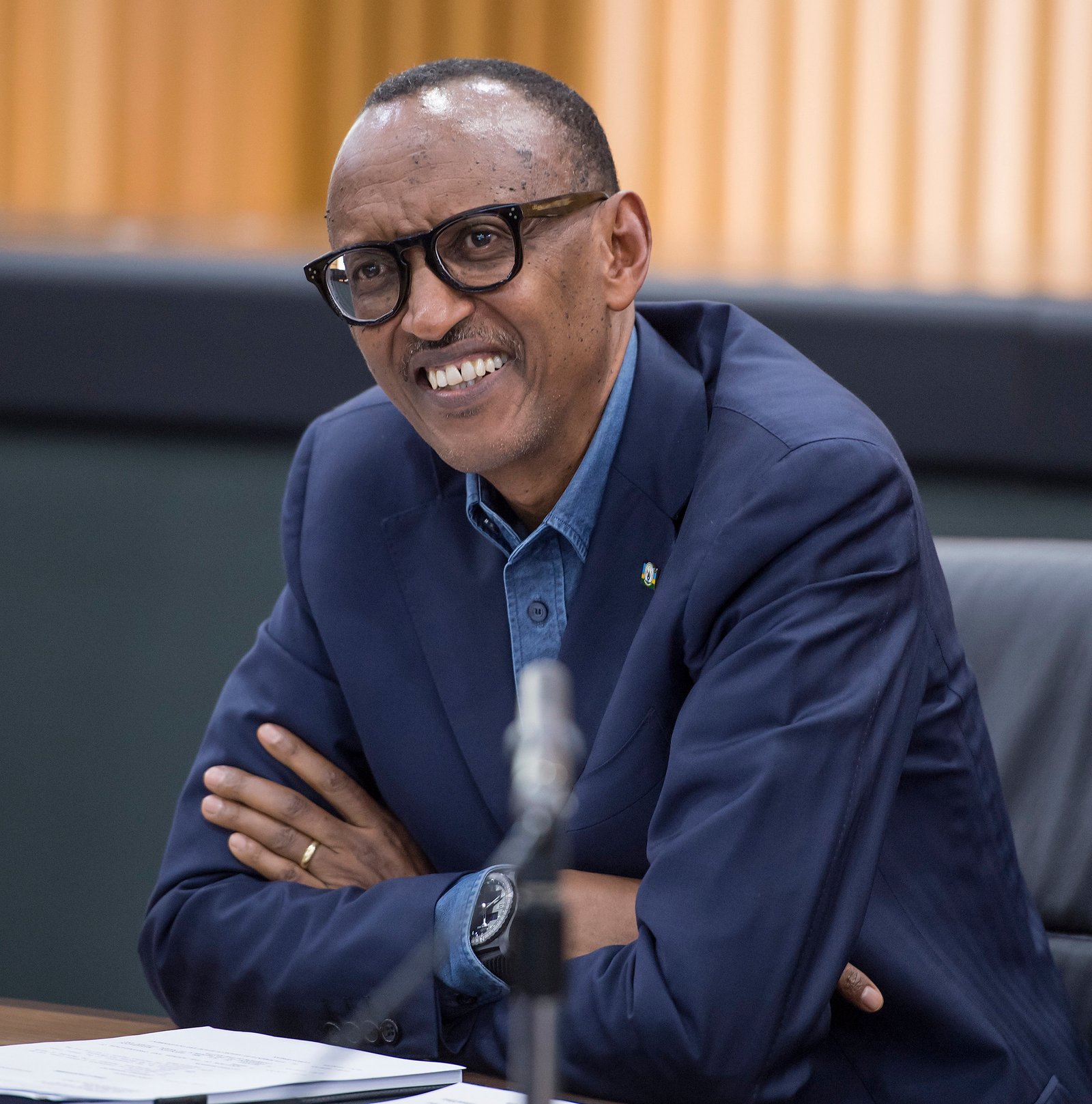
President Paul Kagame of Rwanda has been named co-chair of the AI for Good Global Commission, a new international body launched in Geneva on July 2 to shape how artificial intelligence is governed and shared across rich and developing economies alike.
President Kagame will share the co-chair role with Marc Benioff, the chair and chief executive officer of Salesforce, while Doreen Bogdan-Martin, Secretary-General of the International Telecommunication Union, the United Nations agency responsible for global information and communication technology standards, serves as vice-chair.
The commission counts more than 40 founding members, including heads of state from Estonia and Iceland, government ministers from Kazakhstan, Namibia, Saudi Arabia, Singapore, Nigeria and Togo, and chief executives from Nvidia, Amazon, Microsoft, Anthropic and Cohere.
The launch lands in the middle of a consequential week for AI diplomacy. UN Secretary-General António Guterres opened Digital Week in Geneva with a public warning against allowing artificial intelligence to develop without coordinated global oversight, pointing specifically to the militarization of AI-capable hardware.
The AI for Good Global Commission’s inaugural meeting, held during the ITU’s AI for Good Global Summit from July 7 to 10, is positioned as one of the first concrete institutional responses to that warning, pairing the executives who build frontier AI systems directly with the governments expected to regulate them.
For Rwanda, the appointment extends a deliberate strategy of positioning the country as Africa’s reference point in global technology governance, built over the past decade through the Kigali Innovation City project and the country’s Smart Rwanda digital agenda. The commission has named closing the digital divide as a central priority, citing figures showing that roughly 2.2 billion people remain offline worldwide, a majority of them in developing regions including sub-Saharan Africa.
President Kagame’s presence at the co-chair level gives Rwanda direct input into how that divide is addressed, at a moment when the Rwandan government has separately signaled plans to establish its own national artificial intelligence agency.The commission has not yet published binding commitments or a formal work plan, and its first substantive test will be whether this week’s Geneva meetings produce enforceable standards or remain a advisory framework.
What is already clear is that Rwanda now sits inside the room where those decisions will be made, alongside the companies whose technology will determine the outcome.
About the Author