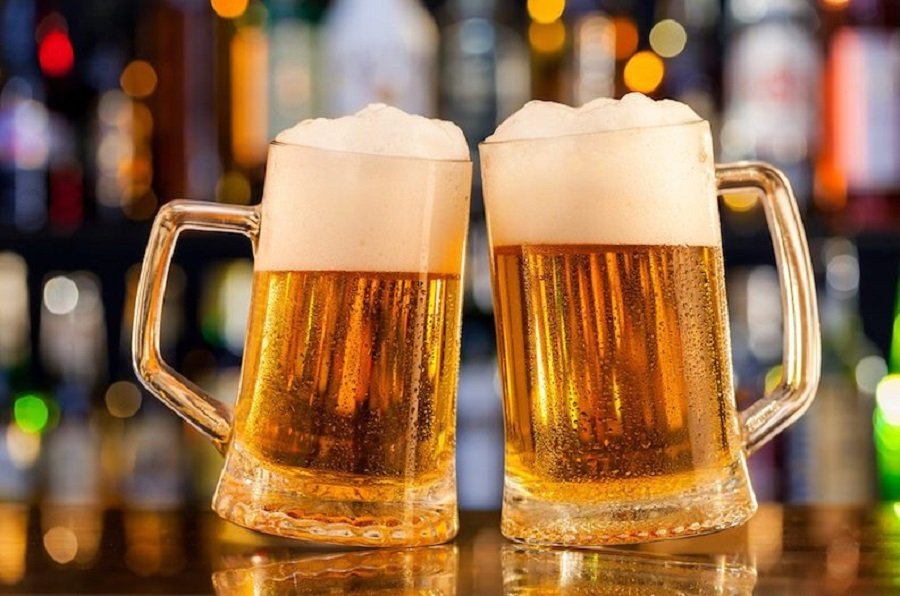
Kigali — New national health data show that daily alcohol consumption remains widespread in Rwanda, with men drinking at more than double the rate of women, according to findings from the Seventh Rwanda Demographic and Health Survey (RDHS-7).
The survey, released by the National Institute of Statistics of Rwanda (NISR), found that 15% of men and 7% of women drink alcohol every day. NISR identified alcohol use as a contributing factor to several health conditions, including cancer, stunting, non-communicable diseases, and liver disease.
The data show that adults aged 15 to 49 drink the most. Within that age group, half of men and 36% of women reported drinking alcohol in the month before the survey was conducted. Most of those drinkers — 51% of men and 78% of women — said they drink between one and five days a month.Quantities consumed also varied by gender.
Nearly half of male drinkers (48%) and a third of female drinkers (32%) said they typically have one bottle when alcohol is available to them. Another 37% of men and 17% of women reported drinking two bottles, while heavier consumption of six or more glasses was reported by 12% of men and 14% of women.
Regional and rural-urban patterns emerged as well. Urban women drink daily at a higher rate than their rural counterparts — 8.4% compared to 6.6%. For men, the pattern reverses: rural men drink daily more often than urban men, at 16.5% versus 12.4%.Among Rwanda’s provinces, the City of Kigali recorded the highest share of daily drinkers at 9.8%, followed by the Eastern Province at 7.6%, the Northern Province at 7.4%, and the Western Province at 7%.
The Southern Province recorded the lowest rate, at 4.5%.Government Campaign Faces an Uphill BattleThe findings arrive despite the Government of Rwanda’s ongoing “Tunywe Less” campaign, which promotes reduced alcohol consumption among citizens.
Minister of Health Dr. Sabin Nsanzimana has repeatedly called on Rwandans to cut back on alcohol and sugary drinks in favor of water and tea, as part of broader public health messaging on diet and lifestyle. Nsanzimana has also urged citizens to reduce sugar intake and eat more fruit.
The concern extends beyond the health sector. During Liberation Day celebrations in July 2023, President Paul Kagame warned Rwandans, particularly young people, that heavy drinking threatened to undermine the country’s post-Liberation progress. Kagame pointed to Ministry of Health statistics on alcohol consumption and linked rising intake directly to deteriorating public health outcomes.
He argued that the ability to work and sustain development depends on good health, and cautioned against framing alcohol use as a marker of modernity, describing it instead as a threat to a legacy written in the country’s history.
About the Author