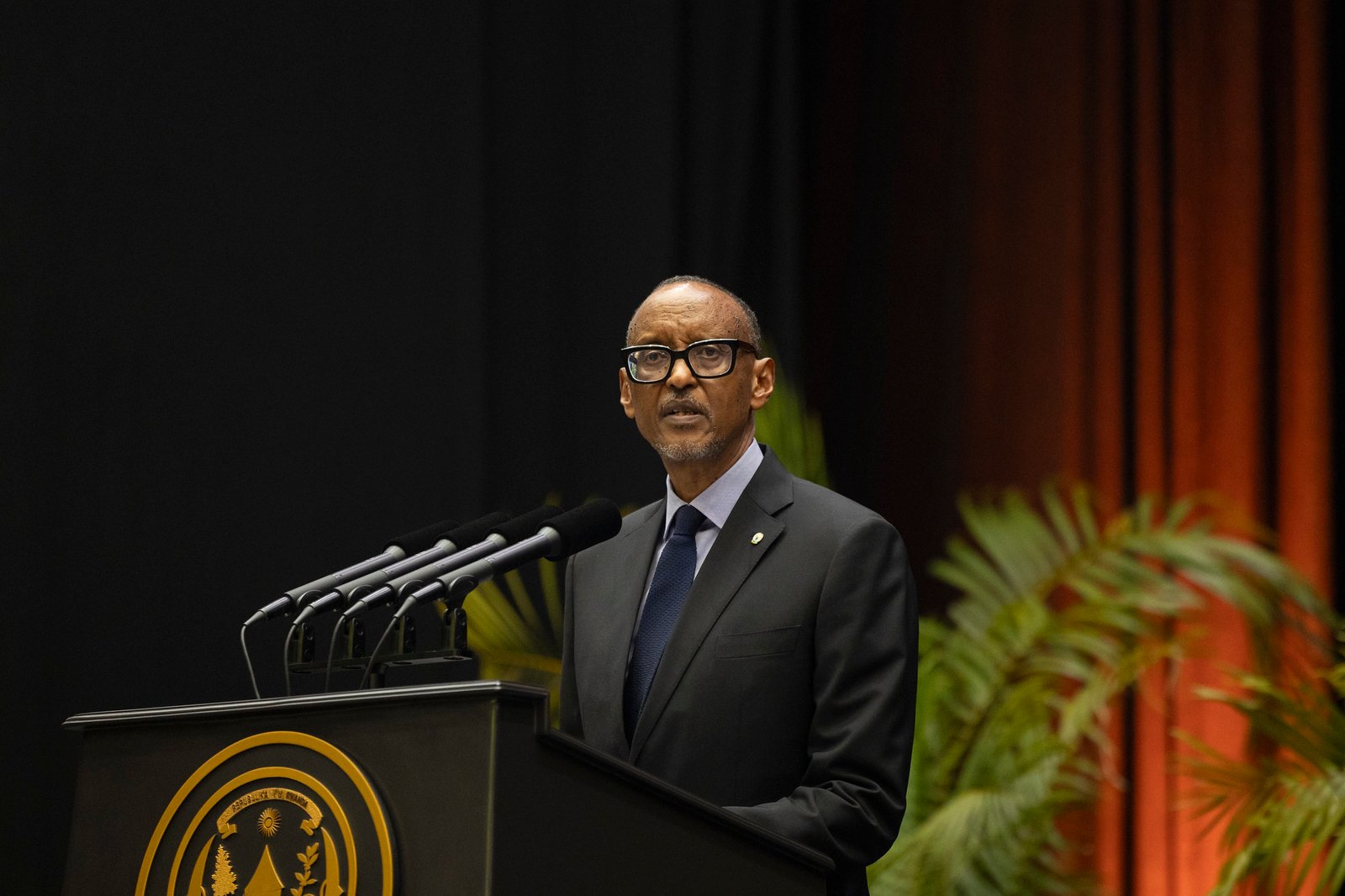
President Paul Kagame has accused the government of the Democratic Republic of the Congo of providing political protection, financial support, and military integration to the armed group known as the Democratic Forces for the Liberation of Rwanda (FDLR), warning that the situation continues to threaten Rwanda’s national security and regional stability.
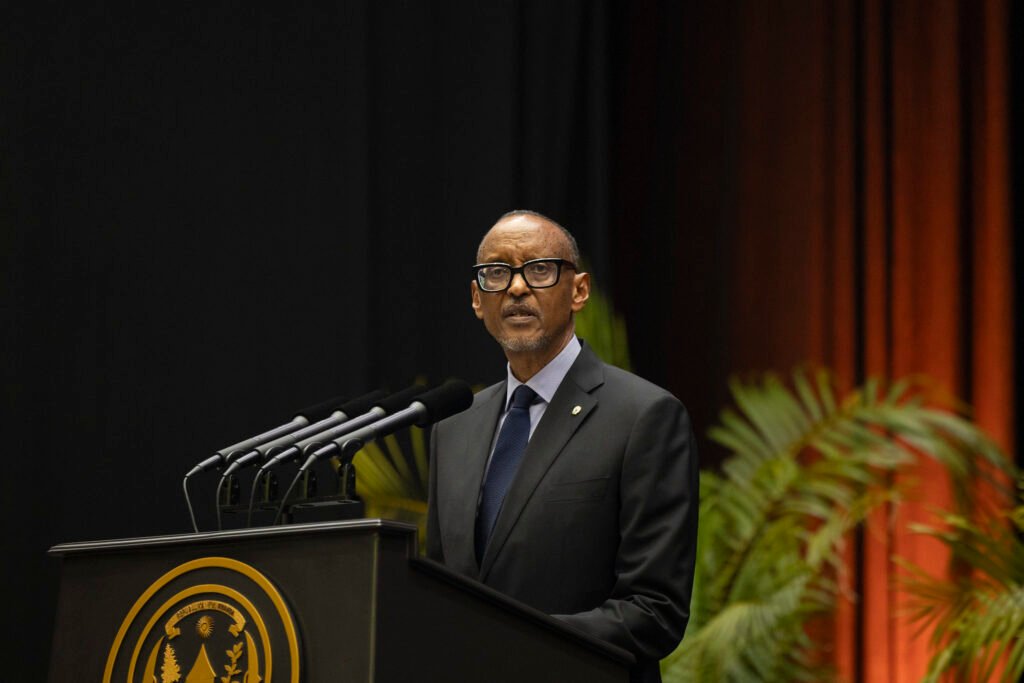
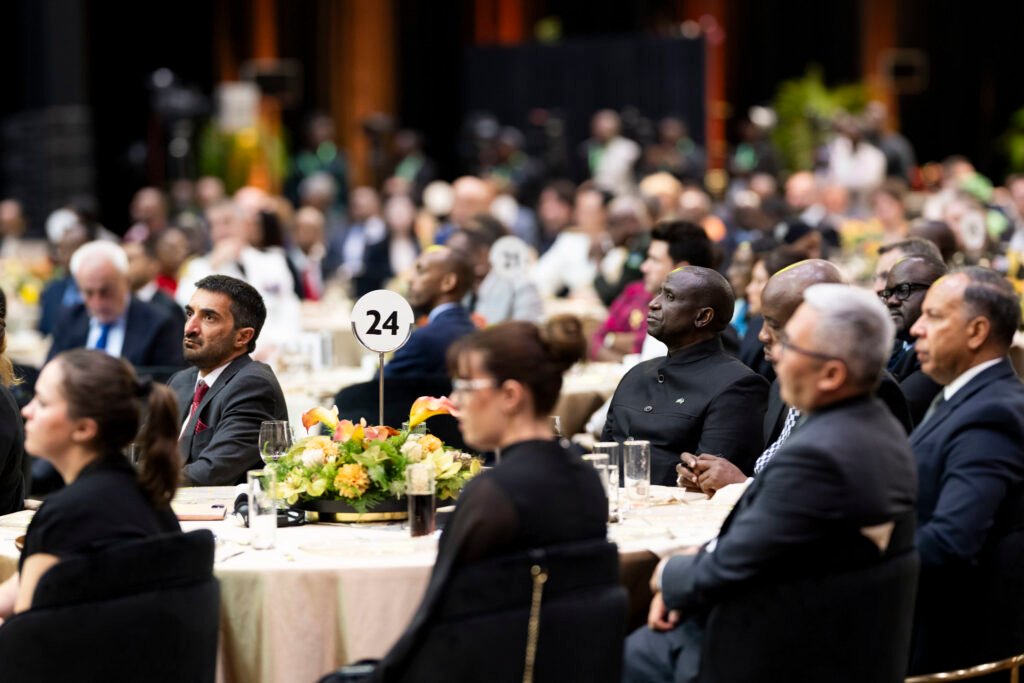
Speaking about the ongoing tensions in eastern Congo during the dinner with diplomatic corps on 6th March 2026, Kagame said the militia group has been allowed to operate with “total impunity” and is now embedded within Congolese military structures.
“The Congolese government has provided the political cover, financial support to the FDLR, and integrated this group into its military structures from where it now operates with total impunity,” Kagame said.
ALSO READ: Kagame Says Country Faces “Impossible Choice” Over FDLR Threat
The Rwandan leader further warned that the group has repeatedly targeted Rwanda and continues to benefit from alliances with individuals linked to the former regime that led the country into the 1994 Genocide Against the Tutsi in Rwanda.
“They attacked Rwanda on multiple occasions, some countries issued advisories as a result and lately the son of the former leader of Rwanda who led this country into genocide and other close collaborators of his have been visiting Kinshasa in order to deepen their alliance with FDLR,” Kagame added.
The FDLR, which traces its roots to remnants of forces responsible for the genocide against the Tutsi, has remained active in eastern Congo for nearly three decades. Kigali has consistently described the group as an existential security threat, warning that its continued presence near Rwanda’s borders fuels instability across the Great Lakes region.
Over the years, the Government of Rwanda has confirmed several security incidents linked to FDLR fighters operating from eastern Congo. Reports from the United Nations and regional security monitoring groups documented multiple cross-border incursions between 2012 and 2013, when armed elements infiltrated Rwandan territory and carried out attacks on border areas.
In more recent years, Rwanda has also reported shelling and armed incidents near border districts such as Rubavu and Musanze in 2022, which injured civilians and damaged property. Rwandan authorities say these incidents illustrate that the threat posed by the militia has not disappeared despite international efforts to dismantle it.
Security analysts also note that the group has periodically attempted to reorganize itself under different political and military structures in order to evade international pressure and sanctions.
One example is the emergence of the National Council for Renewal and Democracy (CNRD-Ubwiyunge), a faction that broke away from the FDLR but maintained similar objectives and networks in eastern Congo.
Rwandan officials argue that recent political engagements involving individuals linked to the family of former president Juvénal Habyarimana could represent attempts to strengthen or rebrand such armed networks, a development Kigali views as a dangerous escalation.
For Rwanda, the issue remains a fundamental question of national security. Kigali maintains that as long as the FDLR and its affiliated groups continue to operate freely in eastern Congo, the risk of further attacks and instability in the region will remain.
The ongoing tensions highlight the complexity of the conflict in eastern Congo, where regional rivalries, armed groups, and historical grievances continue to shape one of Africa’s most fragile security landscapes.
About the Author