Catholic bishops from Rwanda and Burundi have expressed hope that the border between the two countries, which has been closed for about two years, will eventually reopen, allowing citizens to travel and trade with one another again.
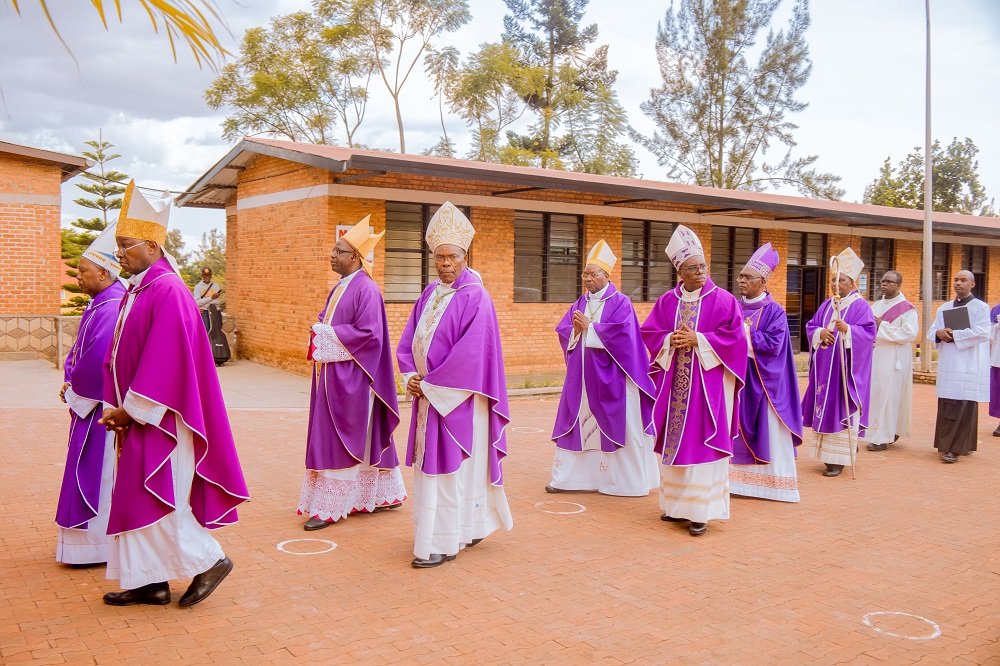
From March 9 to 11, 2026, Kigali hosted a meeting of the Catholic Bishops’ Conference bringing together bishops from both countries to discuss cooperation and ways to address challenges affecting communities, particularly Christian faithful.
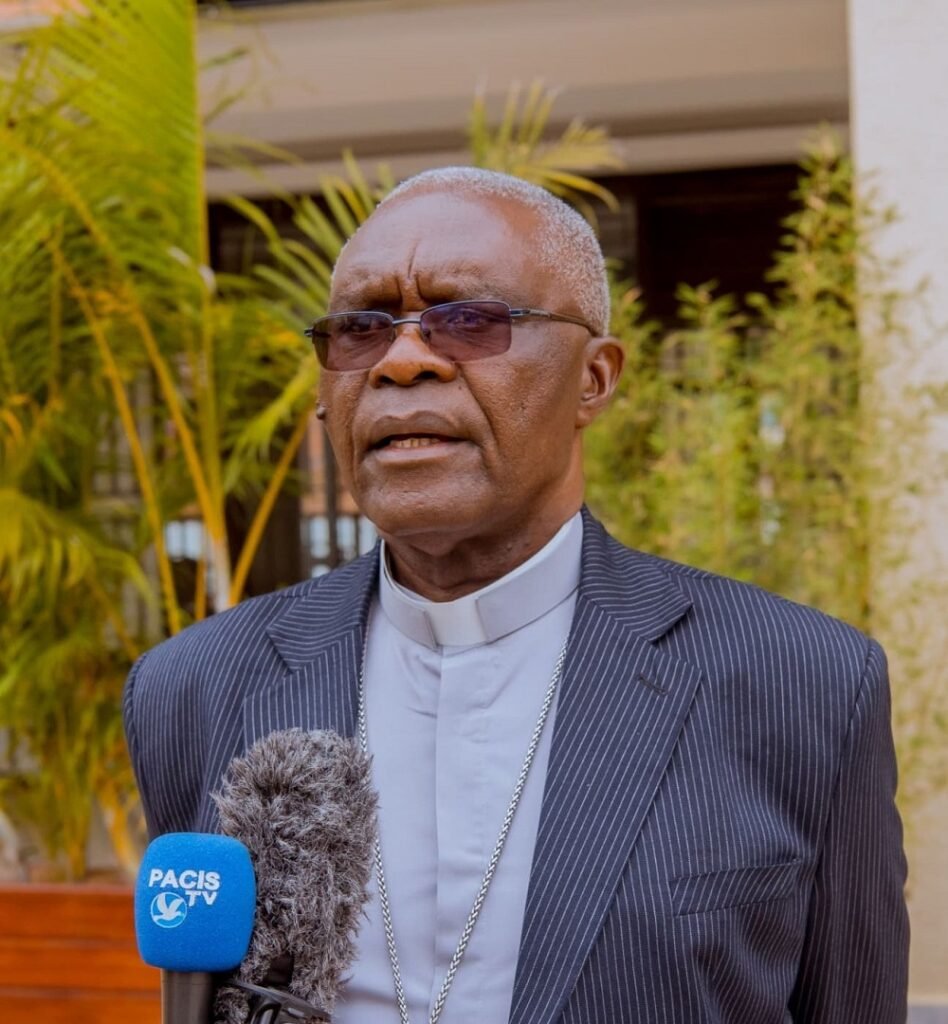
Speaking to the media, Bishop Joachim Ntahondereye of Muyinga Diocese and President of the Catholic Bishops’ Conference of Burundi, encouraged believers from both nations not to lose hope despite the prolonged border closure.
“Our message to Christians in Rwanda and Burundi at a time when the border between the two countries is closed is that they should not lose hope because no rain falls without eventually stopping,” he said.
“As the saying goes, every rain passes. The issues that led to the closure of the border will also pass, and people will once again travel, cooperate and support one another as they used to.”
Bishop Ntahondereye also urged those who have the means to continue using air travel, which remains open between the two countries, so they can keep sharing ideas, develop joint initiatives and help strengthen peace between Rwanda and Burundi.
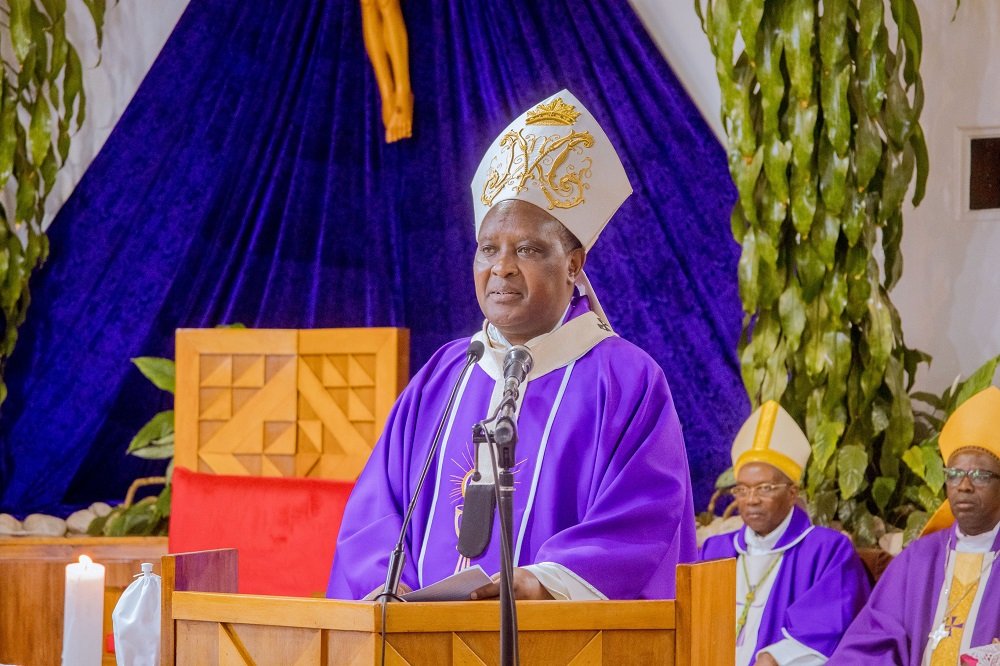
Meanwhile, Cardinal Antoine Kambanda, Archbishop of Kigali and President of the Catholic Bishops’ Conference of Rwanda, said the arrival of Burundian bishops in Kigali by plane was itself a sign that the people of the two nations remain closely connected despite the border closure.
“It is strong testimony that we must work together to find solutions,” Cardinal Kambanda said. “We must do so as people who understand one another, because we have more to gain from living in harmony than from living in conflict.”
Burundi closed its land borders with Rwanda in January 2024, citing security concerns. Although air travel between the two countries has continued, the closure has significantly disrupted cross-border trade and movement of people who have long relied on ties between the neighboring nations.
About the Author