Burundi’s Communication and Media Minister, Gabby Bugaga, was found dead in the early hours of Thursday, April 16, inside his vehicle in a remote palm plantation on the outskirts of Bujumbura.
The government swiftly declared it a road accident. But the physical evidence, the location, and the absence of security personnel around a serving cabinet minister have fueled deep public suspicion that the official version is not the whole story.
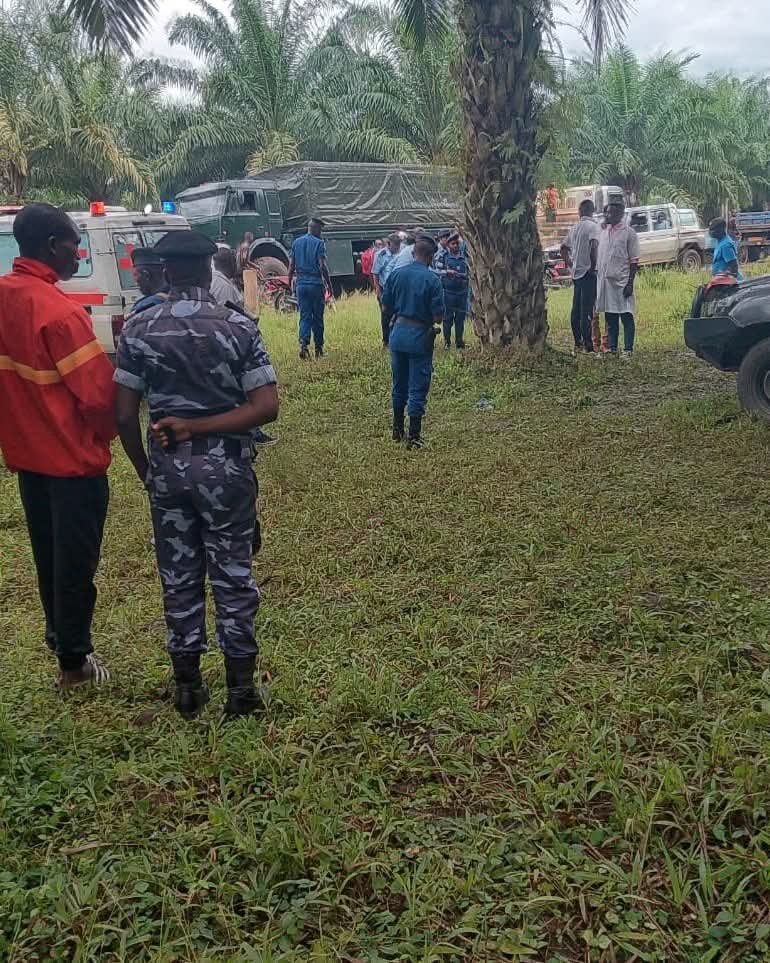
Bugaga’s body was found on April 16 in the Kivoga palm plantation, roughly 10 kilometres north of Bujumbura, on a road rarely used at night. Photos circulating online and authenticated by local journalists showed the minister slumped at the steering wheel, dressed in casual clothing.
A deep wound was visible on his skull yet the vehicle’s cabin showed no signs of significant impact. Damage was limited to the rear and right side panels, with the front bumper intact.
According to an officer who requested anonymity, the minister had no driver and no bodyguards with him. The same source alleged that “the government does not want scandals and has decided to bury the case without an official investigation.”
The government’s official communiqué, signed by State Secretary General Jérôme Niyonzima, described the death as “sudden” and attributed it to an accident, but provided no details on the circumstances.
That statement arrived hours after the discovery and only after local and regional media had already broken the news.
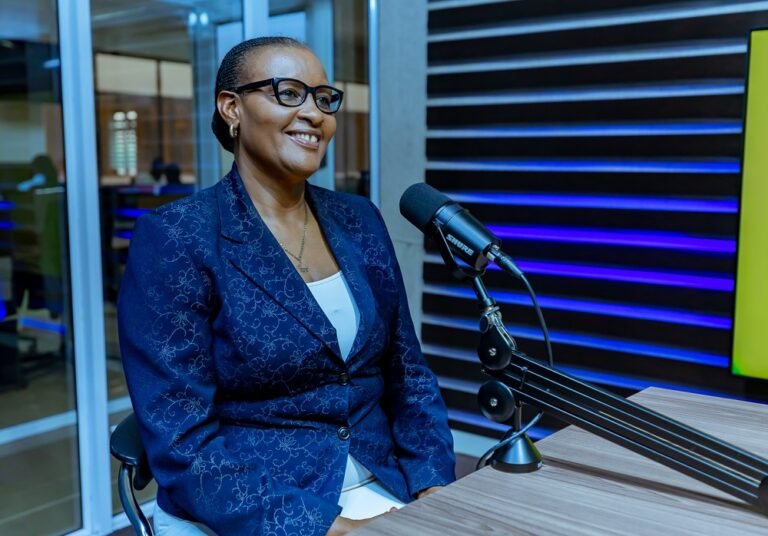
Bugaga was appointed Communications Minister in August 2025 by President Évariste Ndayishimiye. A former journalist with the state broadcaster RTNB, he had also served as Senate spokesperson and worked for the electoral commission overseeing logistics ahead of the 2025 elections.
His role put him at the center of how Burundi’s government controlled its public narrative, a position of significant sensitivity in one of the region’s most tightly managed media environments.
President Ndayishimiye posted condolences on X shortly after the news broke, praising Bugaga’s dedication to the country, but the tribute was met with a polarized and volatile public reaction. Citizens called for a transparent investigation, reflecting deep suspicion over the unresolved nature of the minister’s death.
This is not the first time a Burundian official has died under unclear circumstances. In 2017, Environment Minister Emmanuel Niyonkuru was shot dead, two years after a major political crisis erupted over President Pierre Nkurunziza’s controversial bid for a third term.
The pressure for an independent investigation is building. Human rights organizations including King Umurumdi Freedom have already called for a probe into the death.
Whether Bujumbura responds with transparency or silence will determine whether this becomes a domestic political crisis or is quietly managed away. Given the country’s track record, the public has every reason to be skeptical.
About the Author