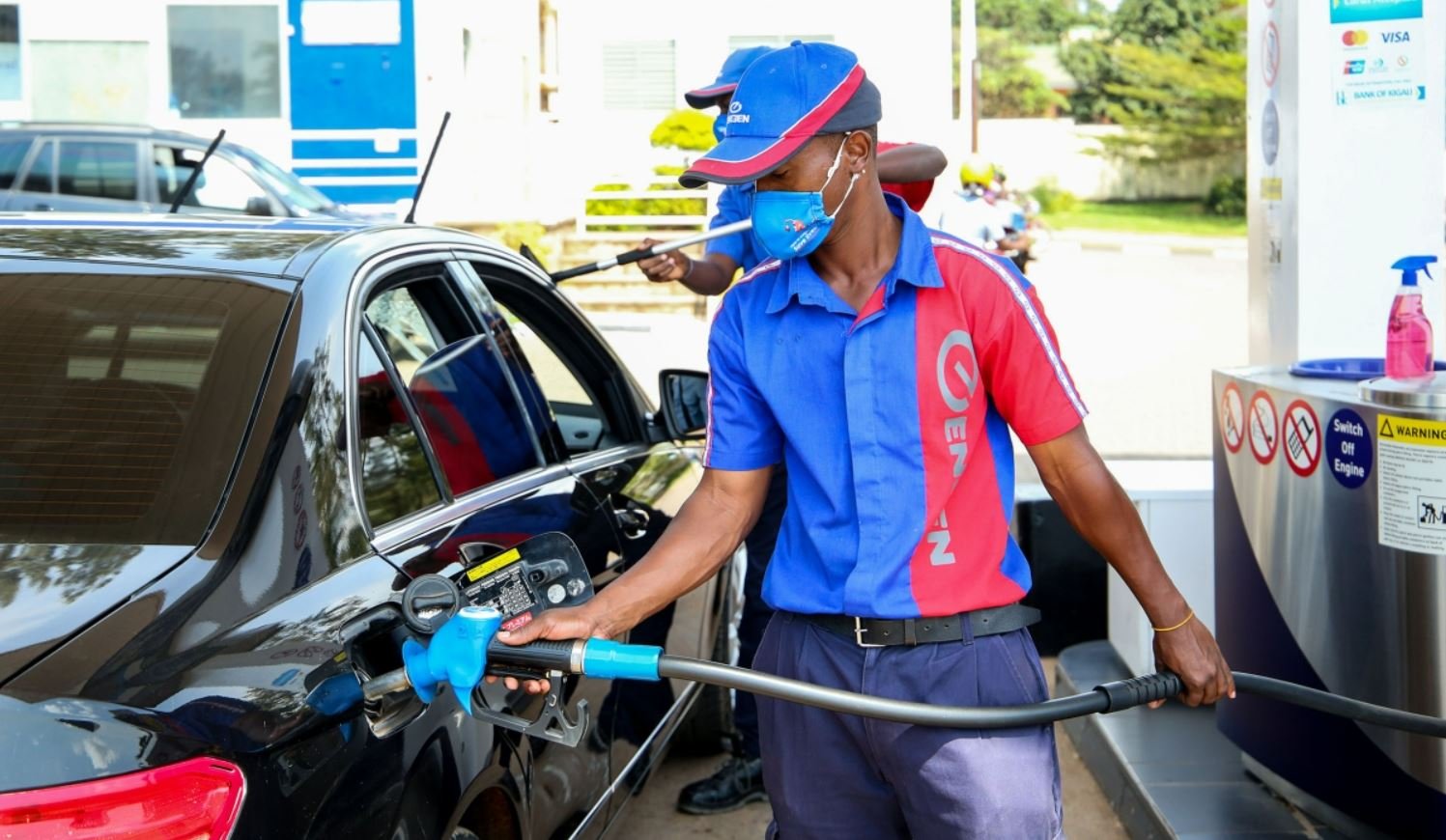
Rwanda’s fuel regulator has raised petrol prices for the second time in six weeks, pushing the pump price to its highest level ever. Petrol now costs Rwf 2,938 per litre, up from Rwf 2,303, while diesel remains unchanged at Rwf 2,205.
The latest increase of Rwf 635 per litre comes barely two weeks after an earlier hike meaning motorists have absorbed a combined jump of Rwf 949 per litre since early March, a rise of nearly 48 percent in under two months.
The global trigger
The ongoing conflict involving the United States, Israel, and Iran now entering its second month has led to the blockade of the Strait of Hormuz, a critical shipping passage through which 20 percent of the world’s daily oil supply flows. By early April, crude oil had climbed to $112.4 per barrel, up from roughly $70.
Rwanda, which imports all of its petroleum through regional supply chains via Tanzania and Kenya, has no buffer against that kind of shock.
Prime Minister Justin Nsengiyumva said on April 3 that the conflict was already creating “visible effects on prices in the global market, including petroleum and gas products,” adding that the government was weighing measures that could cause public alarm.
What this means for Rwanda
The price hike is not just about fuel, It is already reshaping the cost of daily life. Traders across Kigali report higher prices for food and basic commodities, linked to increased fuel costs and higher transport expenses.
At the Gisimenti business hub, fruit vendor Donatille Murekeyisoni said mangoes from Kenya that used to cost Rwf 600–700 per piece now run Rwf 900–1,000, with transport costs for a sack doubling from Rwf 1,000 to Rwf 2,000.
A joint policy brief by the African Union, the UN Economic Commission for Africa, and UNDP warns that the Middle East conflict could shave at least 0.2 percentage points off Africa’s GDP growth in 2026, noting that currencies in 29 African countries have already depreciated, raising the cost of imports and external debt servicing.
RURA Director General Evariste Rugigana said the authority would “continue to monitor market developments and ensure fair pricing and reliable service delivery,” a signal that further adjustments remain possible if global oil prices stay elevated.
Transport fares already revised once following the April 4 hike are likely to face further pressure. Rwandans who rely on public transport, or who move goods between provinces, should expect costs to remain volatile for as long as the Strait of Hormuz situation remains unresolved.
The government’s immediate options are limited: Rwanda has no domestic oil production and limited capacity to absorb global price swings through subsidies without fiscal cost. The more durable answer accelerating the shift to electric mobility and expanding public transit has been part of Kigali’s green city agenda for years. This crisis may well sharpen the urgency.
About the Author