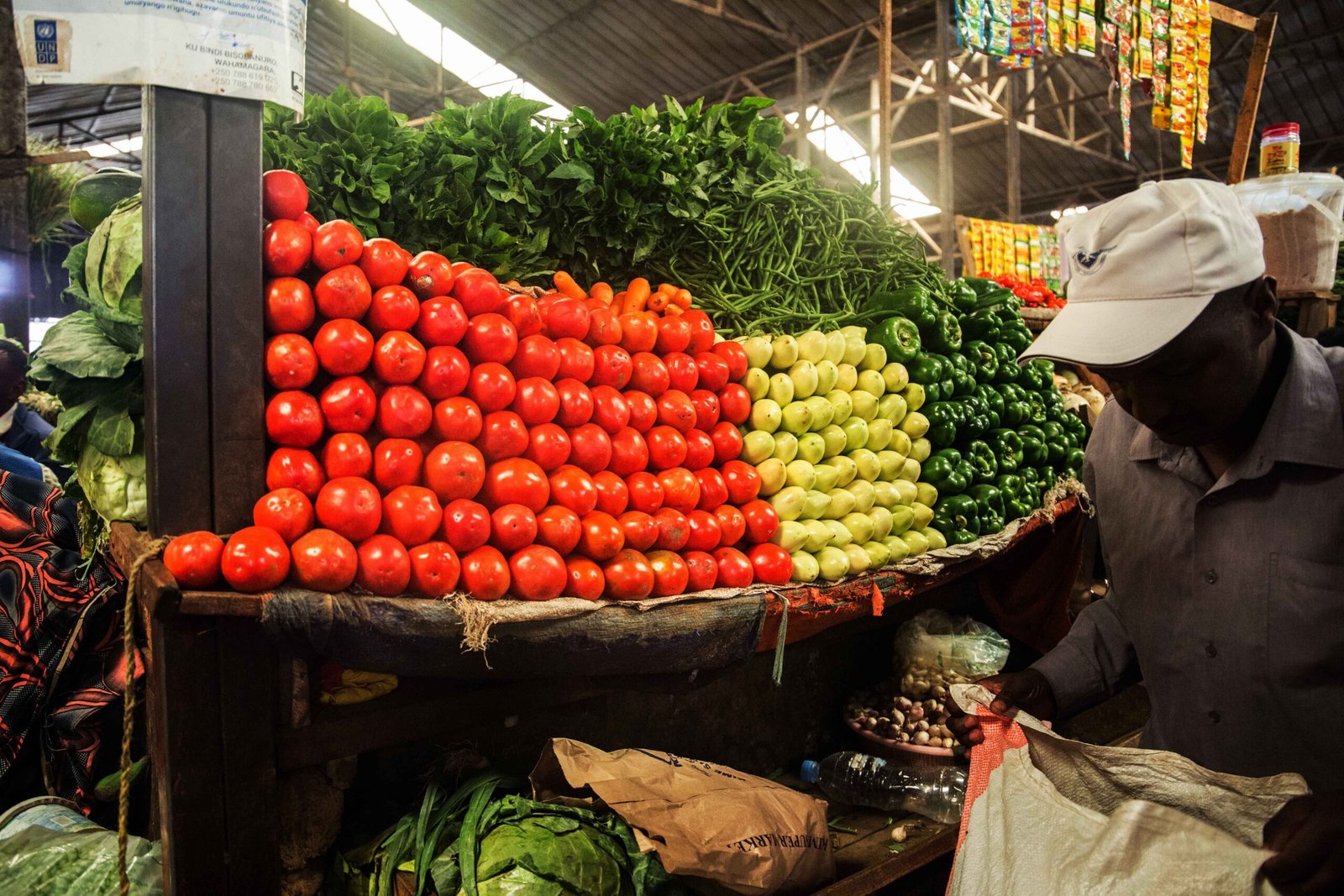
Rwanda’s Ministry of Trade and Industry has warned traders against using rising fuel prices as cover for unjustified price increases, putting businesses on notice that profiteering during the current cost-of-living crunch will not go unpunished.
The warning, issued on April 21, comes as Kigali’s markets and supply chains are absorbing the shock of three consecutive fuel price adjustments in under two months. Authorities are drawing a clear line between legitimate cost pass-through and opportunistic price hiking, and they want the public to help enforce it.
Within just two weeks, the cost of petrol rose by Rwf 635 per litre, reaching Rwf 2,938 following a previous adjustment on April 3 that had already pushed petrol from Rwf 1,989 to Rwf 2,303.
Diesel was held steady at Rwf 2,205 to cushion logistics costs, but the cumulative effect on the broader economy has been swift. At Gisimenti market, mangoes imported from Kenya that once sold at Rwf 600–700 per piece now fetch Rwf 900–1,000 at buying price, with retail prices climbing to Rwf 1,500.
Cooking oil jumped from Rwf 45,000 to Rwf 55,000, a 25kg bag of Pakistani rice rose from Rwf 28,500 to Rwf 30,000, and cassava flour doubled at the wholesale level.
Some of those increases reflect real transport and distribution costs. Others, authorities suggest, do not. Consumers can now report malpractice directly via toll-free lines 3739 and 9899, which the Ministry activated alongside the warning.
This is not Rwanda’s first time using public reporting as a market discipline tool.
What makes this moment different is the legal muscle now backing it. Rwanda adopted a new Competition and Consumer Protection Law in 2026, giving the Rwanda Inspectorate, Competition and Consumer Protection Authority the power to examine market conditions and act proactively, rather than waiting for problems to fully materialise.
The law also introduces a structured appeals process and an Independent Appeal Committee, signaling that enforcement will be procedural, not arbitrary.
The economic backdrop is real and serious. A joint AU-UNECA-UNDP policy brief warned that oil prices have surged roughly 50% since late March, driven by Middle East tensions, and that Africa risks losing at least 0.2 percentage points of GDP growth in 2026 if disruptions persist.
Prime Minister Justin Nsengiyumva was blunt about the stakes, saying the conflict “has already caused noticeable changes in global market prices” and that it “will affect nearly every Rwandan.” Rwanda’s inflation had already climbed to 7.9% in February, the highest level since June 2025 before the latest fuel surge hit.
The toll-free lines give the government real-time market intelligence. But Rwanda’s longer-term answer to fuel-driven inflation is structural. Experts are pointing to compressed natural gas from the Gasmeth project in Karongi as a viable domestic alternative, with commissioning expected in the third quarter of 2028.
The project targets 40 million standard cubic feet of gas per day from Lake Kivu’s methane reserves, resources that, if developed on schedule, could significantly reduce Rwanda’s exposure to global petroleum shocks.
In the short term, markets need watching. The line between a trader absorbing higher costs and one exploiting a crisis is thin and in Rwanda right now, the government is asking citizens to help draw it.
About the Author