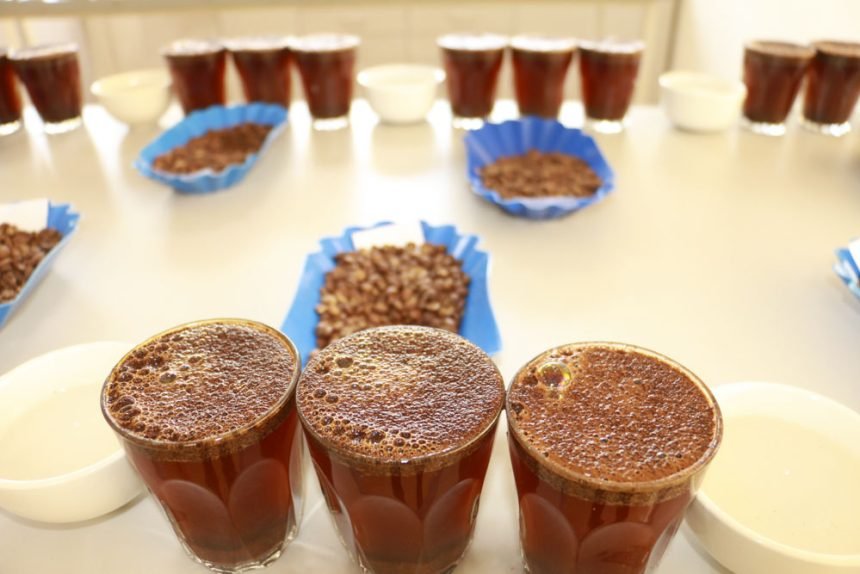
A Rwandan specialty coffee lot finished in the top five out of 48 samples at the World of Coffee San Diego 2026 cupping competition one of the most competitive specialty coffee events on the planet.
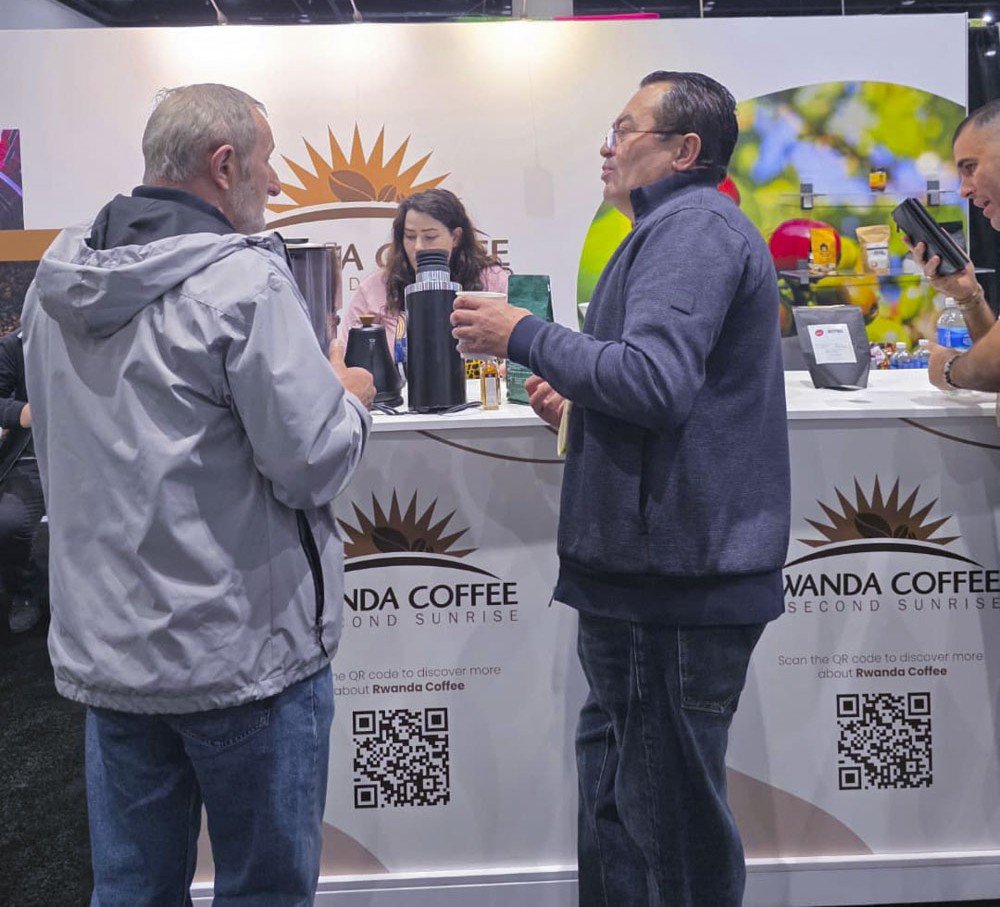
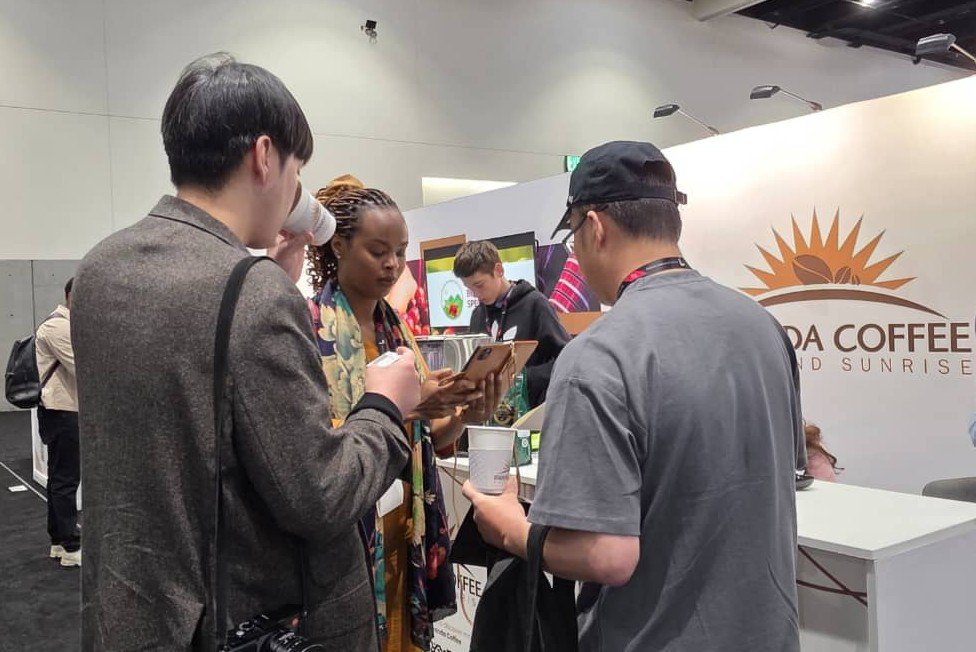
The entry, an anaerobic natural processed coffee, drew significant attention from international buyers, roasters, and industry experts attending what was the first-ever North American edition of the World of Coffee brand, held at the San Diego Convention Center from April 10–12.
This result didn’t arrive out of nowhere. Rwanda’s National Agricultural Export Development Board (NAEB) reported that the country increased its coffee export volume by 39 per cent in 2025, generating a record $148.6 million up from $89.8 million the year before.
That backdrop of surging commercial performance made a strong showing on the cupping stage feel less like a surprise and more like a confirmation. According to NAEB, about 80 per cent of Rwanda’s coffee is fully washed, while higher-value processing methods such as natural, anaerobic and honey currently account for about 5 per cent of exports and attract premium prices.
The San Diego result suggests that 5 per cent is punching well above its weight.
The anaerobic natural process is central to understanding why this matters. It is a labor-intensive, innovation-driven technique where coffee cherries ferment in oxygen-free tanks before drying, producing complex, fruit-forward flavor profiles that command attention in a competitive cupping room.
It is precisely the kind of differentiation Rwanda’s coffee sector has been building toward. World of Coffee San Diego 2026 welcomed over 15,000 attendees from more than 90 countries, including roasters, retailers, buyers, and producers from across the global specialty coffee supply chain. Placing in the top five in that room is a commercially meaningful signal.
The timing is also significant. NAEB Chief Executive Claude Bizimana said Rwanda is on track to meet its NST2 target of exporting 32,000 tonnes of coffee and generating $192 million in revenues by 2029.
Wins like San Diego strengthen Rwanda’s ability to access premium market segments particularly in niche specialty markets in Europe and North America, where the government has been ramping up strategic promotion alongside newer inroads into the Middle East.
The coffee sector directly supports over 400,000 farming households and creates thousands of jobs in processing, transport, and trade. A global ranking does not just help exporters it trickles back to the farmers whose cherries made it possible.
What happens next will depend on whether Rwanda can convert this recognition into consistent buyer relationships and long-term contracts.
The San Diego stage gave Rwandan coffee visibility in front of exactly the buyers who matter. If NAEB and the Coffee Exporters and Processors Association of Rwanda (CEPAR) move quickly, this result can anchor commercial conversations far beyond the competition.
The bigger structural question is scaling up Rwanda’s innovative processing capacity right now anaerobic natural lots are a fraction of total exports. Expanding that share, while maintaining the quality that earned a top-five finish, is where the real work begins.
About the Author