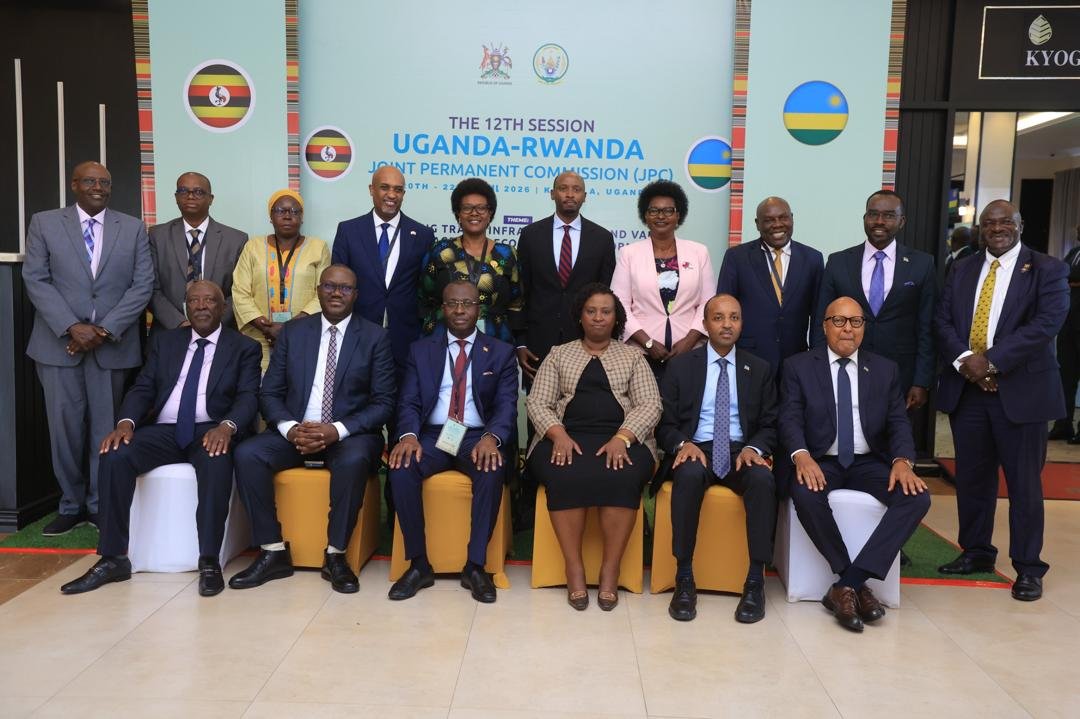
Rwanda and Uganda have concluded the 12th session of their Joint Permanent Commission in Kampala, closing three years of diplomatic silence with a push for agreements that actually reach citizens, not just conference rooms.
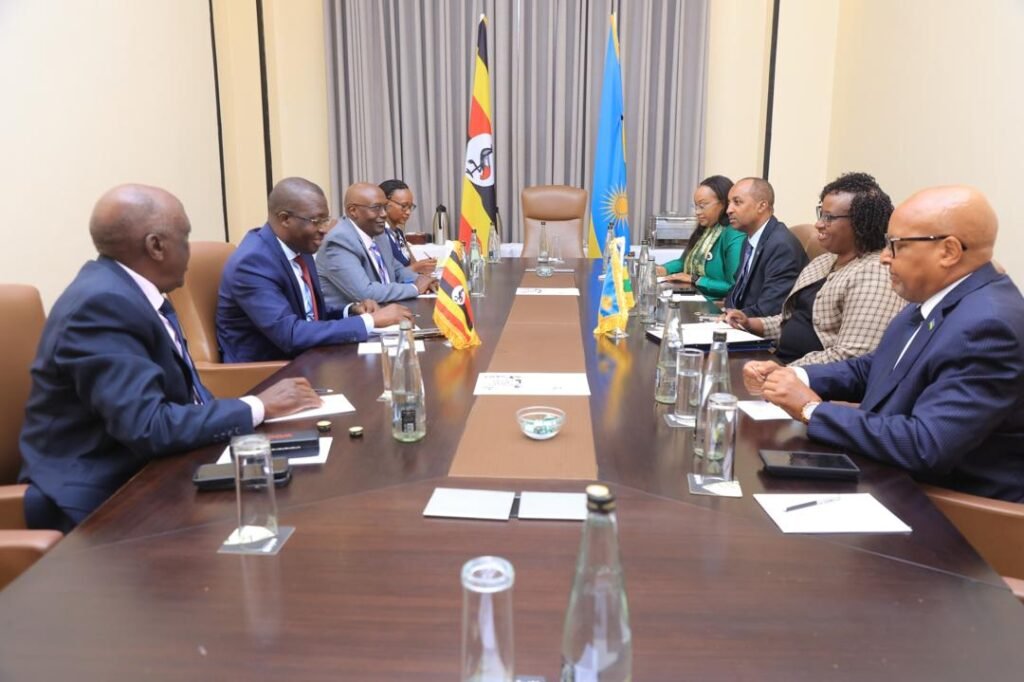
Rwanda’s Minister of State for Foreign Affairs, Dr. Usta Kaitesi, and Uganda’s Minister of State for Foreign Affairs, Hon. John Mulimba, led the ministerial closing of the three-day session at Mestil Hotel, which ran from April 20 to 22, 2026, the first full JPC since the 11th session was held in Kigali in March 2023.
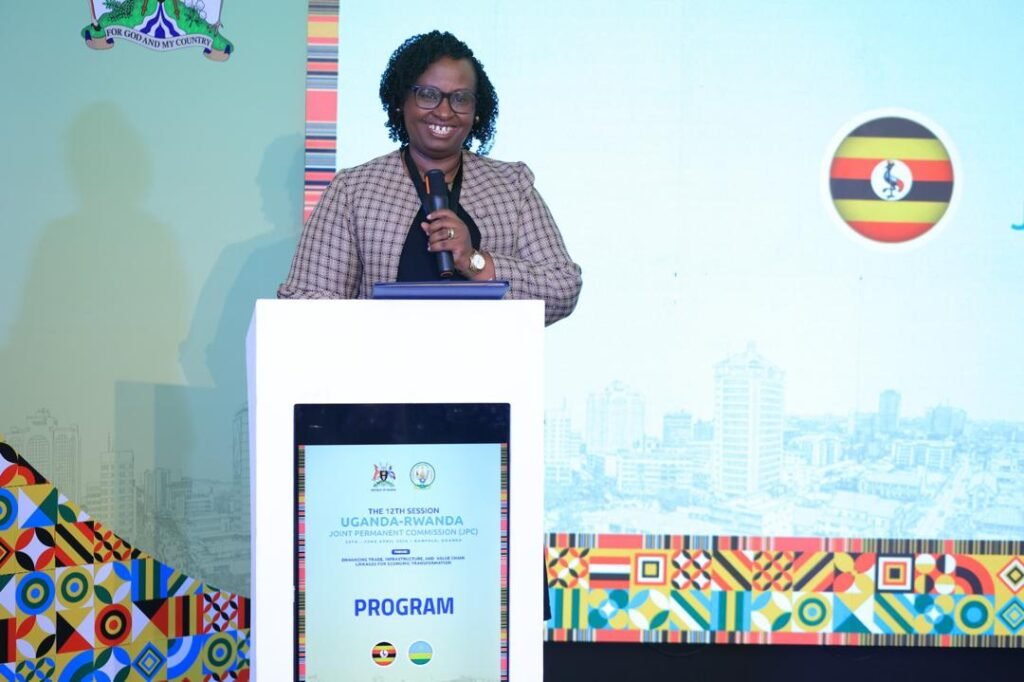
In her closing remarks, Dr. Kaitesi reaffirmed the need for results-oriented cooperation and emphasized that agreed decisions must translate into concrete, timely actions delivering tangible benefits to citizens.
The last JPC was held in Kigali in March 2023, meaning the two neighbors went over three years without convening their primary structured bilateral mechanism.
That gap came against the backdrop of a difficult recent history: Rwanda closed its border with Uganda in 2019 amid mutual accusations of espionage and economic sabotage, a diplomatic freeze that sharply reduced bilateral trade, which before the closure had been estimated at over $200 million annually.
The border reopened in 2022, and cross-border commerce, particularly in agricultural goods and manufactured products, has shown steady recovery since, but the numbers still reveal an imbalance. Rwanda exported goods worth only $1.2 million to Uganda, against Uganda’s $22.37 million in exports to Rwanda for the same September 2025 period reviewed at the talks.
The agenda was deliberately broad
Over 15 Ministries, Departments and Agencies from both countries participated across a structured programme, technical officials first, then senior officials, then ministers.
The sectors covered were extensive: political and diplomatic relations, trade and customs, defence and security, immigration, justice, infrastructure, energy, aviation, ICT under the Northern Corridor Integration Projects framework, and newer areas including health, education, agriculture, and local government.
High on the operational agenda was the activation of the Mirama Hills/Kagitumba One Stop Border Post, resolving funding delays for the Cyanika OSBP, and removing outstanding non-tariff barriers.
Uganda’s lead negotiator, Ambassador Richard Kabonero, framed the stakes bluntly: the two countries must now jointly tackle what he called “problems without passports”, cybercrime, human trafficking, and climate change challenges that no border fence can contain.
For Rwanda, this is not just a diplomatic milestone, It is an economic one
Uganda remains one of Rwanda’s most important regional trade corridors. The Northern Corridor, Rwanda’s primary trade route to Mombasa runs through Uganda, making seamless logistics cooperation non-negotiable for Rwanda’s import and export economy.
Any friction at the border, any delay in infrastructure projects, or any unresolved non-tariff barrier compounds directly into Rwanda’s cost of doing business.
The ministerial session was expected to conclude with the signing of Memoranda of Understanding and a joint communiqué charting the next phase of cooperation, the kind of binding commitments that give the JPC’s work legal and implementation weight.
Beyond trade, Uganda’s Ambassador Kabonero acknowledged that even without formal JPC meetings in recent years, both countries had continued cooperating across defence, energy, infrastructure, and regional integration suggesting the relationship is resilient. But structured frameworks matter: they set timelines, assign accountability, and create public benchmarks.
Dr. Kaitesi’s closing message, that decisions must translate into action is a direct acknowledgment that Africa’s diplomatic history is littered with beautifully worded communiqués that gathered dust.
The 12th JPC’s MoUs and joint resolutions will be watched closely, particularly on three fronts: whether the Cyanika and Kagitumba border posts become fully operational, whether non-tariff barriers are genuinely dismantled, and whether Rwanda’s export basket to Uganda grows beyond its current $1.2 million baseline. Those three measures alone will say more than any press briefing about whether this JPC was different from its predecessors.
About the Author