Four candidates to succeed UN Secretary-General António Guterres are auditioning before member states this week at UN headquarters in New York far fewer than the 13 who entered the field a decade ago when Guterres was selected.
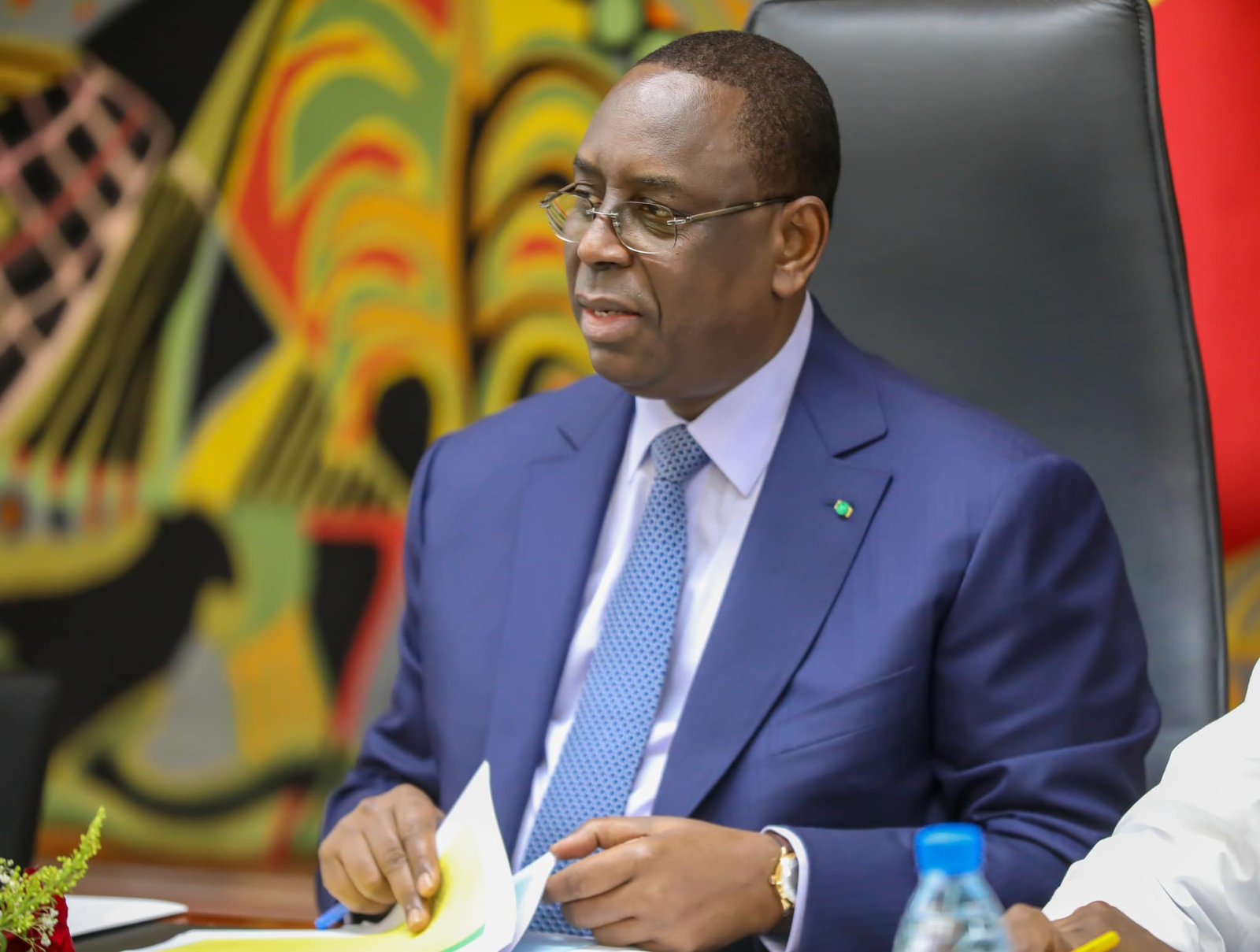
The process unfolds in real time: Chile’s former President Michelle Bachelet went first on Tuesday, followed by UN nuclear chief Rafael Mariano Grossi of Argentina. On Wednesday, UN trade chief Rebeca Grynspan and Senegal’s former President Macky Sall took the floor.
Sall is the only African in the race. That should make this a straightforward moment for the continent but It isn’t.
An Endorsement Problem That Won’t Go Away
Sall, 64, was nominated by Burundi, but his home country Senegal told the African Union it had not endorsed him, and neither did the divided 55-nation regional organisation.
The controversy traces back to how his candidacy was submitted. Burundi presented the nomination through a letter to the UN dated March 2, 2026, stating that “my government, current Chair of the AU, nominates His Excellency Macky Sall.”
But analysts and member states argue that Burundi did not submit the candidacy in its formal capacity as AU Chairperson making the claimed continental backing a matter of interpretation, not procedure.
The attempt to retrospectively legitimise the nomination went nowhere. On March 27, the African Union Commission announced that the draft decision tabled for approval of Sall’s candidacy “has not been adopted,” after several member states broke the silence procedure.
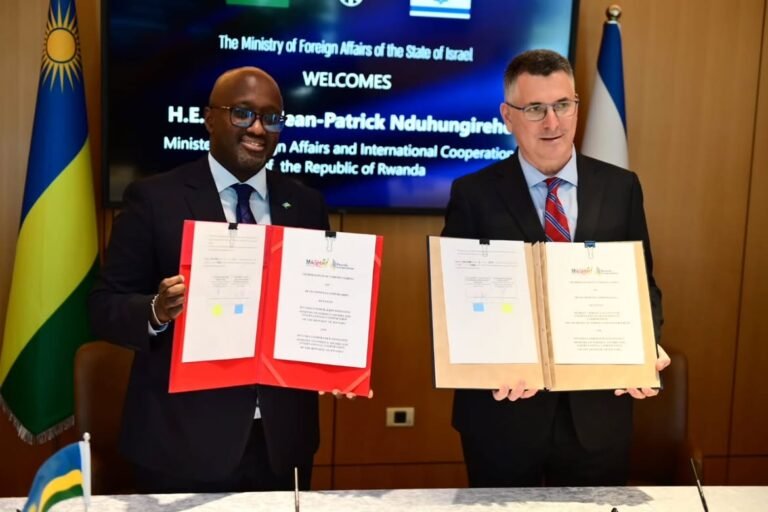
Rwanda’s position was pointed. Rwanda’s Minister of Foreign Affairs stated that the attempt amounted to “a direct rush to a 24-hour silence procedure, through which the AU Chairperson would wish to force a 2/3 silent majority endorsing his solo and irregular decision, without any attempt to seek an open discussion and a consensus on the African candidate.”
Rwanda emphasised that its objection was not directed at Sall personally, but at what it described as a “flawed procedure.”
Who Sall Is Up Against
The field Sall is competing in is heavily weighted toward Latin America. If chosen, Sall would become the UN’s third African Secretary-General.
During his tenure as Senegal’s president, he oversaw major infrastructure projects, championed African development, and argued that the UN Security Council should give developing countries a permanent seat. But he has also been accused of orchestrating a “constitutional coup” in 2024 after postponing elections to extend his presidential term.
His opponents are credentialed. Michelle Bachelet, twice president of Chile, brings a human rights legacy as a former UN High Commissioner.
Rebeca Grynspan, a former vice president of Costa Rica and head of UNCTAD, has built a profile around gender equality, human rights, peace, and development.
Rafael Grossi leads the International Atomic Energy Agency and brings deep institutional knowledge of global security, though his nuclear portfolio introduces its own geopolitical complexities.
Whoever emerges will need at least nine votes from the Security Council’s 15 members, with no veto from any of the five permanent members, China, France, Russia, the United Kingdom, and the United States.
Though the UN Charter has no regional rotation requirement, Eastern Europe is widely considered next in line, having never held the post a complication that hangs over every non-European candidacy in the room.
What This Means for Africa
The Sall episode has exposed a structural weakness in how Africa projects itself in multilateral spaces. The continent’s most consequential nominations for the World Trade Organisation, UNESCO, and now the UN itself consistently run into the same problem: late coordination, procedural shortcuts, and a failure to build consensus before going public.
The AU’s rejection of Sall’s rushed endorsement, driven in part by Kigali’s insistence on process, is arguably a more principled outcome than acquiescence would have been. But it leaves Africa without a unified candidate in a race it could credibly have won.
Sall has argued that lasting world peace is unattainable if development remains undermined by poverty, inequality, and social exclusion, a message that resonates across the Global South. Whether it resonates in the closed chambers of the Security Council is a different question.
Following this week’s public dialogues, the 15-member Security Council will conduct a series of secret straw polls to gauge where each candidate stands with the major powers.
António Guterres’ term ends on December 31, 2026, meaning the new Secretary-General must be agreed upon and confirmed before year end.
Sall will almost certainly continue his campaign regardless of the AU situation. His pitch African representation at the highest level of global governance has real political weight in the Global South. But without a unified continental block behind him, and with Senegal conspicuously absent from his backers’ list, the arithmetic is difficult.
The UN’s most powerful members vote in private, and sentiment does not always survive the permanent five’s veto arithmetic.
About the Author