The Democratic Republic of Congo’s own defence minister has acknowledged what battlefield losses have long suggested, the AFC/M23 has penetrated the Congolese army’s intelligence chain and is reading FARDC plans before they are executed.
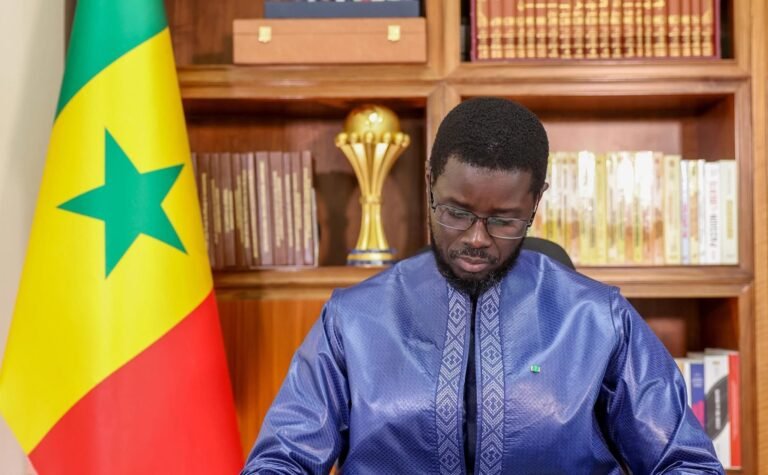
Deputy Prime Minister for Defence Guy Kabombo Muadiamvita, speaking publicly on the state of the war in eastern Congo, said the enemy coalition has built a functioning intelligence apparatus that feeds it real-time information from within FARDC structures.
In his words, the adversary “has built a rich intelligence system, capable of intercepting communications between command posts and frontline units.” The admission, reported by IGIHE, is one of the most candid official statements to come from Kinshasa since the conflict escalated.
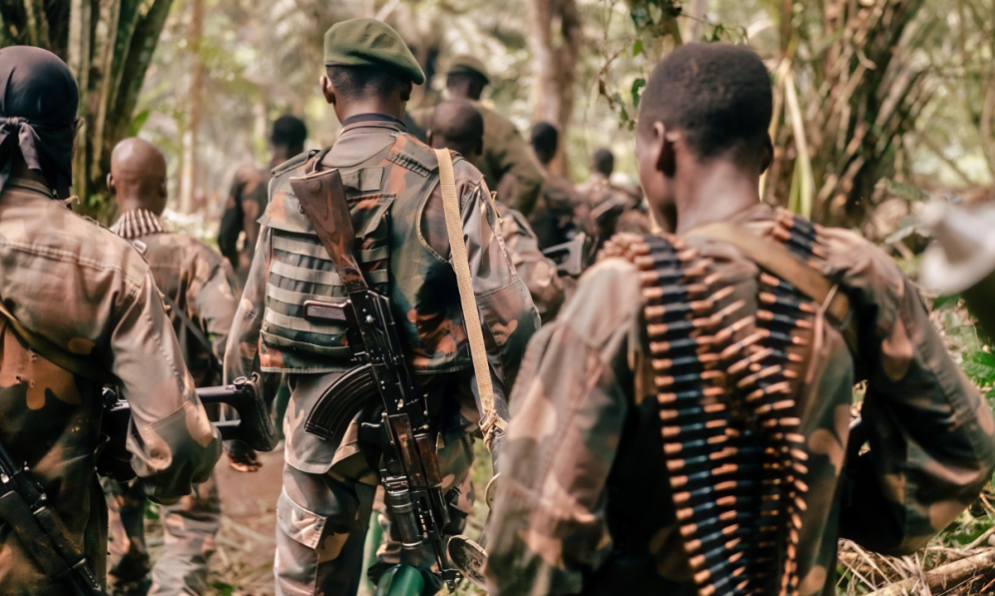
The FARDC has been engaged in sustained combat against AFC/M23 in both North and South Kivu, fighting that has dragged on across multiple fronts with limited strategic gains for Kinshasa.
The Doha peace talks, now relocated to Switzerland, produced new technical agreements in April including a memorandum on the transfer of FARDC troops and an expansion of the ceasefire verification mechanism, but active hostilities have not stopped.
Between February and March 2026, 263 AFC/M23 fighters, including four officers, voluntarily surrendered to FARDC units in North Kivu, a sign of fractures within the rebel coalition. Yet the military picture on the ground remained unfavourable for the Congolese government.
Making matters worse for Kinshasa, US Treasury sanctions issued in late April accused former DRC President Joseph Kabila of inciting FARDC soldiers to defect to the AFC/M23 providing financial support to the rebel coalition and attempting to destabilize the Congolese government from within.
The minister’s intelligence admission now adds another layer to what is an increasingly exposed military institution.
Why this matters beyond the battlefield
An army that cannot keep its own communications secure is fighting with both hands tied. Intelligence penetration of the kind described by Kabombo Muadiamvita explains more than just lost battles, it explains the pattern of FARDC forces repeatedly finding themselves outmaneuvered in the field, even when operating with drone support and allied Wazalendo fighters.
FARDC has long faced what analysts describe as fragmented command structures and persistent logistical inefficiencies. A compromised intelligence chain is not a new vulnerability added on top of those weaknesses, it runs through the entire operational body.
The Montreux peace process has produced protocols on paper, but the war shows no sign of stopping. The Congolese government and M23 signed a memorandum of understanding for the transfer of 2,000 to 3,000 FARDC troops and another MOU expanding the ceasefire verification mechanism at the April Montreux talks, but as those agreements were being signed, fighting continued in Kalehe, Minembwe, and Masisi.
An army that openly admits its command communications have been infiltrated will struggle to rebuild the institutional confidence needed to hold a ceasefire, let alone enforce one.
The minister’s public statement is likely the opening move toward a broader internal restructuring of FARDC intelligence and communications. A comprehensive reform of the Congolese military strategy for 2026 to 2030 is already on the agenda, developed in part through defence cooperation with South Africa. But structural reform takes time, and the front is not waiting.
About the Author