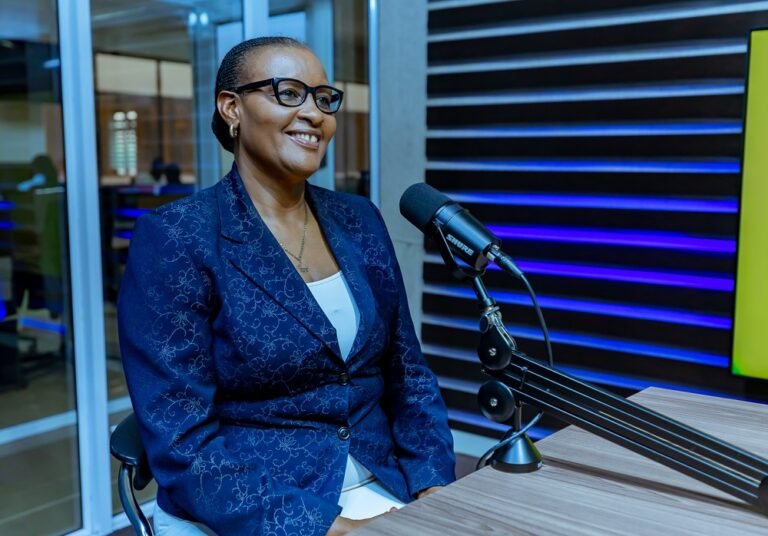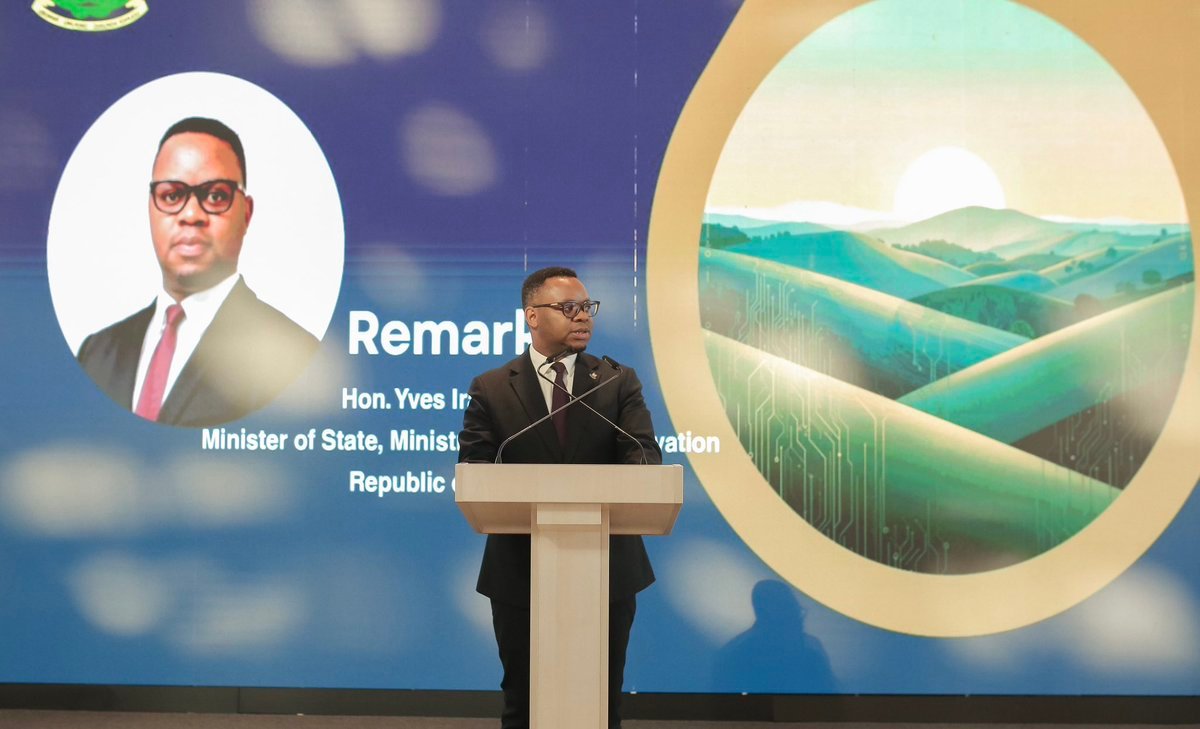
Rwanda has formally declared its intention to keep a seat on one of the most consequential technology bodies in the United Nations system, making its case in a Geneva reception that brought together the leadership of the International Telecommunication Union.
The ITU Council, the governing body of the UN’s specialized agency for information and communication technologies, is currently meeting in Geneva from April 28 to May 8, 2026, in the final annual session before the next Plenipotentiary Conference, where all 48 Council seats will be contested.
Rwanda used the occasion to officially present its candidacy for re-election to the Council for the 2027–2030 term, hosting a reception that drew the ITU Secretary-General Doreen Bogdan-Martin, the Chair of the ITU Council, senior UN officials, and Member State representatives.
It was a deliberate signal: Rwanda is not waiting until Doha to make its campaign known.
What the seat means and what’s at stake
Rwanda has held a seat on the ITU Council as part of the Africa regional allocation since 2022, sitting alongside Algeria, Egypt, Ghana, Kenya, Mauritius, Morocco, Nigeria, Senegal, South Africa, Tanzania, Tunisia, and Uganda, the full 13-seat African bloc.
Membership is not symbolic. The Council ensures constant oversight of ITU Secretariat activities, policies, and strategies; manages working groups on specific topics designated at the Plenipotentiary Conference; and prepares the ITU Strategic and Financial Plans.
In short, it is the room where decisions about global spectrum management, international telecommunications standards, and digital development policy get made between conferences.
The next Plenipotentiary Conference, PP-26 is scheduled for November 9 to 27, 2026, in Doha, Qatar, where the ITU’s full leadership team and all 48 Council seats will be elected for the 2027–2030 term.
The Africa region competes for 13 of those 48 seats, and with 14 African states typically presenting candidacies, securing re-election requires active campaigning, not just showing up.
Rwanda’s digital case
What Rwanda is selling in Geneva is not just diplomatic goodwill, it is a tangible ICT track record. Rwanda has developed a fiber optic and broadband network stretching over 21,847 kilometres, underpinning a national telecommunications framework that has driven internet penetration across the country.
The government’s ICT Sector Strategic Plan targets a 35% ICT sector growth rate, a 20% reduction in the digital skills gap, and the creation of 50,000 digital jobs under the National Strategy for Transformation 2 framework. Rwanda has also become a continental reference point for e-government, drone delivery, and fintech regulation, the kind of practical implementation story that resonates in ITU circles, which care deeply about bridging the digital divide.
The timing of the Geneva candidacy reception is also not accidental. Several countries including the United Kingdom, Saudi Arabia, Uganda, Brazil, India, and the Dominican Republic have already announced their Council candidacies, meaning competition for African seats is already taking shape. Rwanda is getting in early, and getting in loud.
Formal candidature submissions must reach the ITU Secretary-General no later than October 12, 2026, 28 days before PP-26 opens in Doha. Between now and then, expect Rwanda’s Geneva mission to run a sustained lobbying effort across Member States and UN corridors, highlighting Kigali’s technology infrastructure investments and its use of ICT as a development tool.
A re-election would cement Rwanda’s position as one of Africa’s leading voices in global technology governance at a moment when spectrum allocation, AI policy, cybersecurity standards, and satellite orbit management are all being actively contested at the international level. Losing the seat, even temporarily, would cost Rwanda a direct line into those conversations.
About the Author