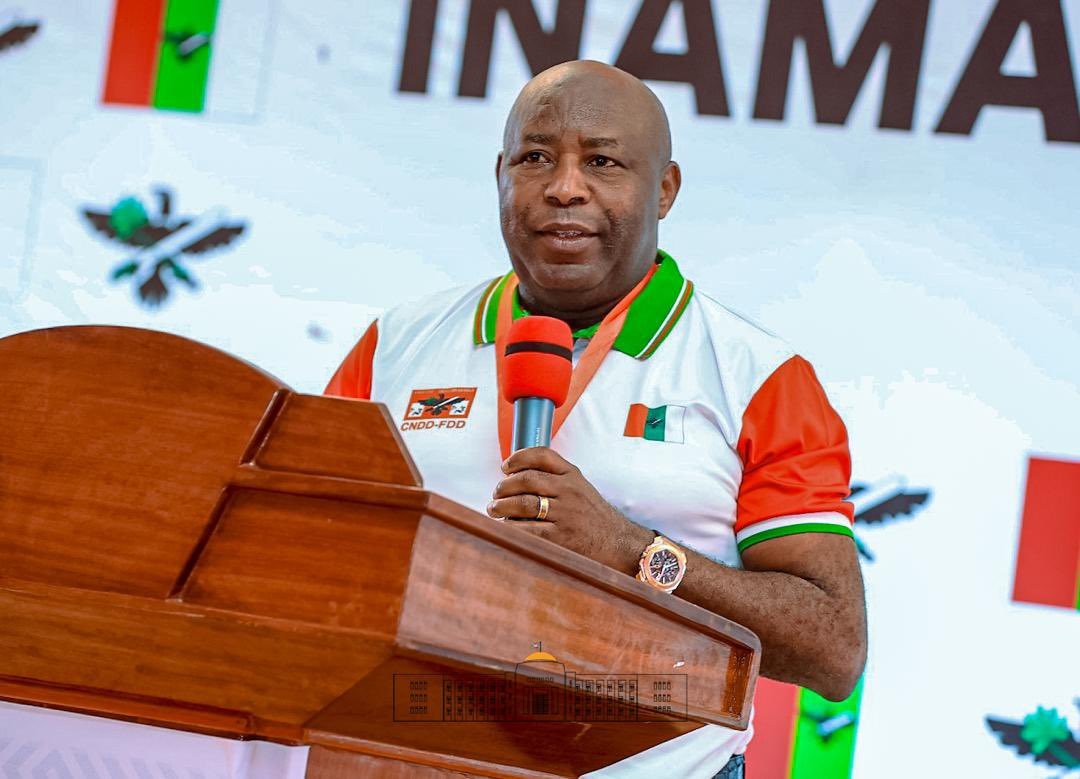
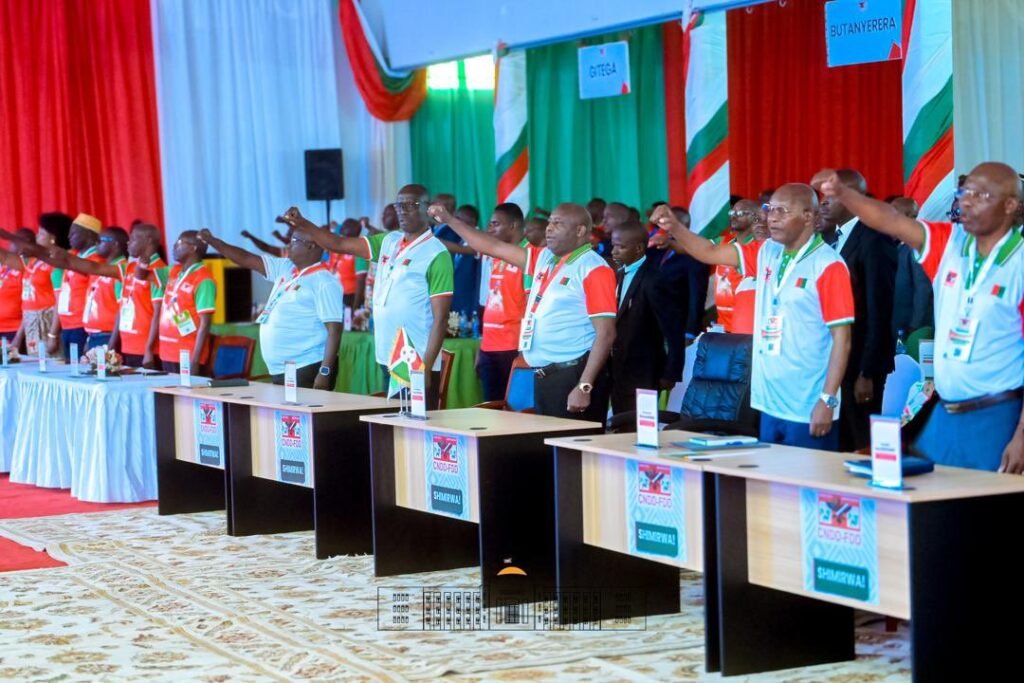
Burundi’s ruling CNDD-FDD party has formally nominated President Évariste Ndayishimiye as its candidate for the 2027 presidential election, confirmed through an extraordinary national congress held this weekend.
The hashtag #Tsinda2027, meaning “Win 2027” in Kirundi was used by the party’s official account to announce the decision, signalling the campaign machinery is fully in motion.
Ndayishimiye came to power in June 2020 after winning 68 percent of the national vote in elections widely questioned for their fairness, held during the COVID-19 pandemic.
His predecessor, Pierre Nkurunziza, died unexpectedly just days after handing over power.
Since then, Ndayishimiye has governed a country under serious economic strain and escalating regional tensions particularly with Rwanda, whose land border Burundi closed indefinitely in January 2024 after accusing Kigali of supporting the RED-Tabara rebel group.
This nomination did not come without turbulence. Months before the congress, reports from inside the CNDD-FDD revealed an intensifying rivalry between Ndayishimiye and party Secretary General Révérien Ndikuriyo, with both men running parallel lobbying campaigns targeting influential party cadres ahead of the nomination decision.
Ndayishimiye’s domestic standing had also weakened following costly military engagements in eastern DRC, where Burundian troops have been deployed to support the Congolese army against M23 rebels, a campaign that has drawn public criticism and elite discontent at home.
On paper, the CNDD-FDD’s track record should comfort Ndayishimiye.
The 2025 legislative elections produced a 100% victory for the ruling party, according to official results validated by Burundian institutions. And just days ago, Ndayishimiye personally launched a voter education campaign at Ingoma Stadium in Gitega, calling for strong public mobilization for the 2027 vote, a sign he was already operating like a candidate before the formal nomination.
But the political climate is far more fragile than the official numbers suggest. Under Burundi’s 2018 Constitution, 2027 would technically be Ndayishimiye’s first term, allowing him to run for a second , a legal argument the party is likely to rely on heavily.
Still, economists and rights groups continue to flag spiralling inflation, fuel shortages, and food insecurity aggravated by climate shocks and the arrival of refugees from eastern DRC as serious vulnerabilities heading into an election year.
For Rwanda, this nomination matters. Ndayishimiye has been one of Kigali’s most vocal critics in the region.
Relations between Rwanda and Burundi have been shaped by mutual distrust and regional rivalries , and a second Ndayishimiye term would mean at least seven more years of an openly hostile neighbour sharing Rwanda’s western border.
Rwanda’s foreign minister has already publicly questioned whether Burundi, given its direct military role in eastern Congo can serve as a neutral broker in regional peace efforts , a challenge that is likely to define Kigali’s posture toward Bujumbura through 2027.
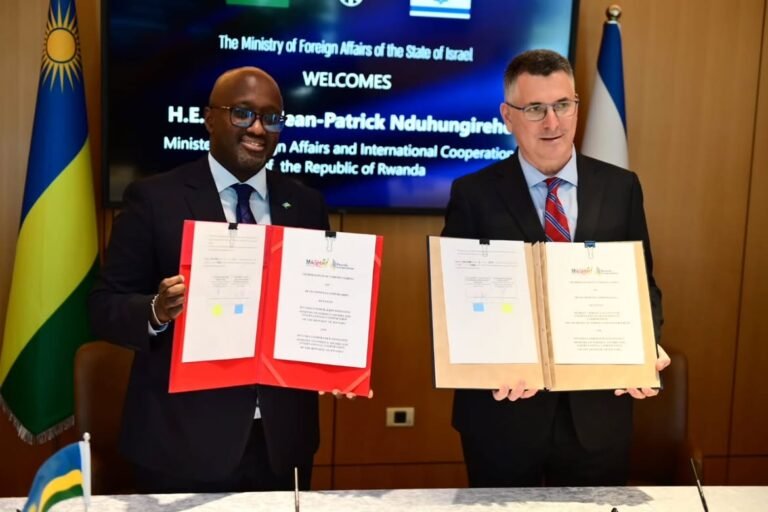
There are, however, tentative signs of diplomatic thaw. Rwanda’s Foreign Affairs Ministry confirmed that the two countries’ foreign ministers exchanged letters in a meeting aimed at normalizing bilateral relations, a small but notable step.
Whether that goodwill survives an election campaign in which Ndayishimiye has repeatedly invoked Rwanda as a security threat remains the central question.
The 2027 election is still over a year away, but the political temperature is already rising on both sides of the Rusizi River.
If Ndayishimiye secures a second term, Rwanda and Burundi will likely remain locked in one of East Africa’s most combustible bilateral relationships, complicating EAC integration, trade, and any durable peace in the Great Lakes region.
If internal CNDD-FDD fractures deepen, Ndayishimiye’s path to the ballot could be rougher than his party’s public display of unity suggests.
About the Author