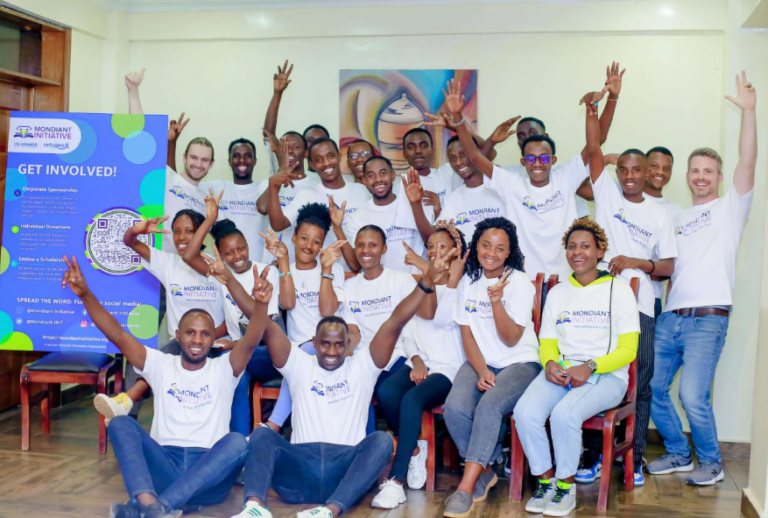
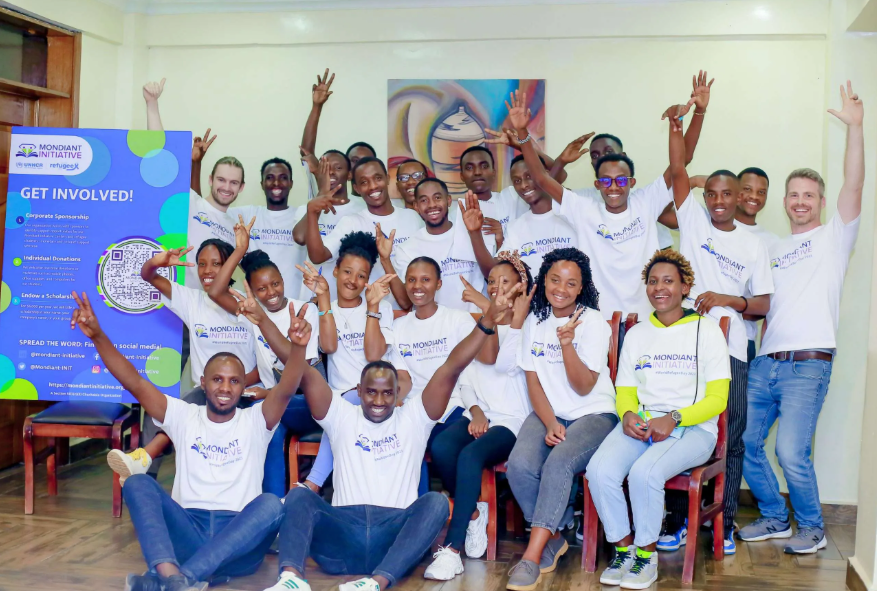
The Mondiant Initiative, a refugee-founded and refugee-led nonprofit operating out of Rwanda, has rolled out its Leadership Academy, an add-on to its scholarship program built to take refugee students beyond the classroom and into leadership roles.
The Academy layers critical thinking, mentorship, professional development, and workforce-readiness training on top of the university funding the organization already provides.
The rollout follows a pattern the Initiative has been building for years. What started as a single scholarship has grown into a program supporting more than a hundred twenty students across several African countries, most of them Congolese and Burundian refugees who came up through Rwanda’s camp system from Kiziba, Nyabiheke, Kigeme, Mugombwa, and Mahama.
Uwera, a refugee Scholar studying architecture at the University of Rwanda, hopes to use her education to create meaningful change in her community. Her story demonstrates how access to education, combined with leadership development and professional growth, can help talented young people turn ambition into action.
“I started to dream that I was going to become someone my community could depend on.” Uwera said.
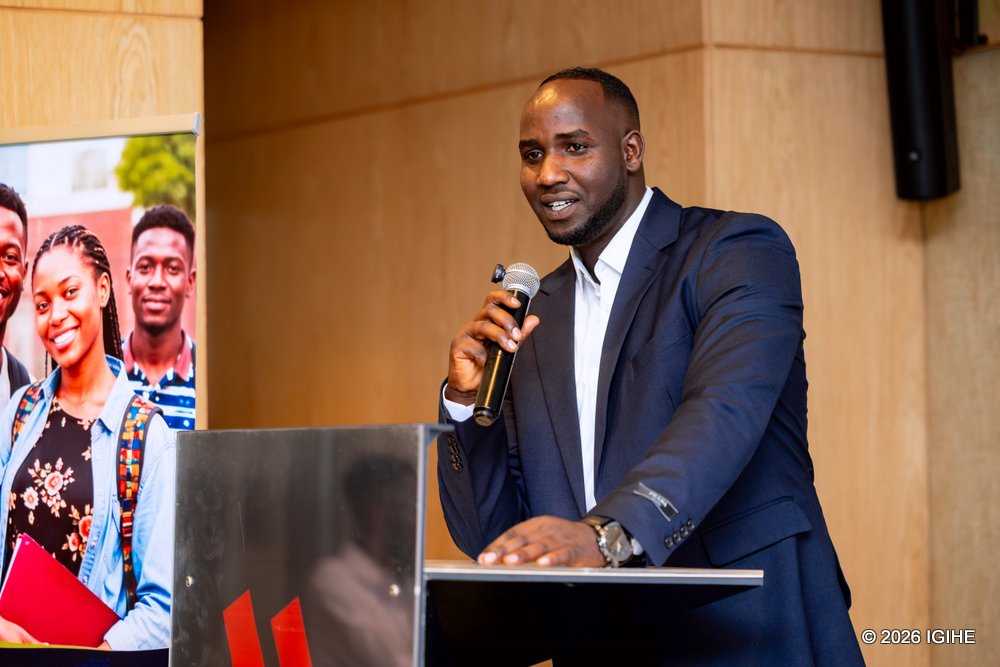
Founder, Mondiant Dogon, himself a former refugee who spent years in a Rwandan camp before earning a master’s degree at NYU has said scholarships alone don’t close the gap.
“Graduates leave university with a degree but often without the networks or workplace exposure to convert it into a career, which is the problem the Academy and a parallel internship program are meant to solve.”, Mondiant Dogon told ISIBO TV in an interview.
For Rwanda, this lands inside a story the government has spent a decade building. The country hosts roughly 120,000 to 135,000 refugees, according to UNHCR and Rwanda’s Ministry in Charge of Emergency Management, the vast majority Congolese and Burundian, concentrated in five camps.
Kigali has pushed a policy line reinforced by the 2024 Refugee Law and the World Bank-backed Strategic Plan for the Inclusion of Refugees that treats refugees as a population to integrate into the economy rather than manage indefinitely.
A homegrown nonprofit turning camp-born students into architects and software engineers is the kind of story that policy is supposed to produce, and it costs the state nothing to point to it.
Mondiant Initiative has said it costs several thousand dollars a year to support each scholar through tuition, housing, and the wraparound services that go with it, and refugee-led organizations generally struggle to land the large institutional grants that better-connected NGOs can access.
The Initiative has been diversifying funding through named scholarships and corporate partnerships, and Dogon has also launched a separate social enterprise, Cleza Group, a soap and skincare manufacturer in Rwanda, to build a revenue base that doesn’t depend on donors.
If the Leadership Academy proves it can move graduates into real jobs not just diplomas it becomes easier to make that case to funders and, potentially, to Rwandan and regional employers looking for talent pipelines already vetted for training and resilience.
About the Author