
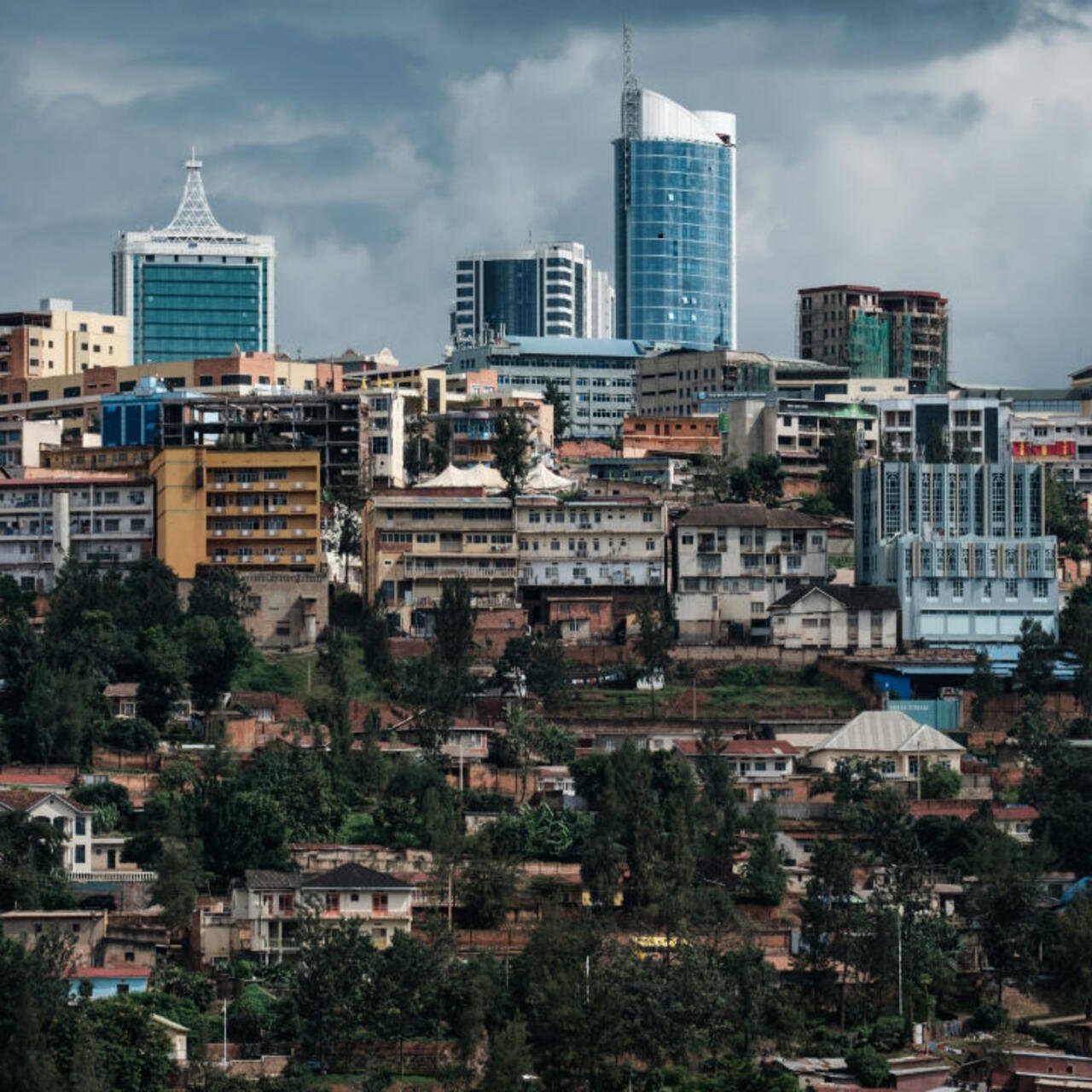
The United Nations’ nuclear watchdog has confirmed Rwanda is ready to advance its plans for atomic energy, after an eight-day review mission found the country’s infrastructure, institutions, and regulatory groundwork to be on track.
The International Atomic Energy Agency’s Integrated Nuclear Infrastructure Review team, which spent the first week of March in Kigali, concluded that Rwanda has made meaningful progress toward becoming the continent’s next nuclear power nation.
The review was conducted at the request of the Rwandan government. The IAEA team comprised four international experts from Egypt, Estonia, Kenya, and Pakistan, alongside six agency staff members.
It covered 19 key areas of nuclear readiness, from regulatory frameworks and safety standards to site surveys and emergency preparedness.
Timed to a Global Moment
The IAEA’s findings landed just as Rwanda’s case was being made on the world stage. One day after the mission concluded, President Paul Kagame addressed the 2026 Nuclear Energy Summit in Paris, hosted by French President Emmanuel Macron, where he told assembled heads of state and industry leaders that nuclear energy would be central to Rwanda’s ambition of becoming a high-income country by 2050.
“That requires abundant electricity,” Kagame said, “and that is why we have decided to make nuclear energy central to our strategy.”
Kagame told the summit that Rwanda is prepared to proceed to the next stage under the IAEA’s milestone approach, and that small modular reactors are especially suited to Africa’s requirements, predicting the continent would emerge as one of the most important global SMR markets in the years ahead.
Why This Matters for Rwanda
Rwanda’s energy situation makes the nuclear bet both ambitious and logical. The country currently relies on a mix of hydropower and thermal energy, and in 2020, only half the population had access to electricity.
By 2030, the government aims to reach 100% electricity access. Hydropower, while dominant, is climate-dependent, and thermal generation remains expensive. Nuclear offers Rwanda what neither can: stable, round-the-clock baseload power.
The government plans to invest between $5 billion and $6 billion in its first nuclear power plants, focused on small modular reactors suited to the country’s electricity grid. Rwanda is also building toward a skilled nuclear workforce of around 230 highly qualified professionals by 2028, while training hundreds of specialists through partnerships with global institutions.
A new nuclear science programme has also been introduced at the University of Rwanda.
In 2023, Rwanda signed an agreement with Dual Fluid Energy Inc., a Canadian-German nuclear technology company, to pilot advanced reactor technology in the country.
The government has also partnered with Russian and American institutions to explore SMR development, and in 2025 was in discussions with Niger, one of the world’s largest uranium producers, on a potential supply partnership.
The IAEA mission identified Rwanda’s strong points: government coordination between national institutions, early planning for emergency preparedness, and active public communication about the country’s nuclear plans.
Recommendations to strengthen the programme include finalising the national policy report, completing the nuclear law, and formalising regulatory frameworks before construction begins.
“Rwanda remains firmly committed to the responsible, safe and transparent development of nuclear power infrastructure,” said Infrastructure Minister Jimmy Gasore. “The IAEA’s review provides us with invaluable guidance to ensure that our national framework aligns with international safety standards and global best practices.”
What Comes Next
Based on the mission’s outcomes, the IAEA and Rwanda will develop an integrated workplan to continue coordinated support as the nuclear programme progresses. Rwanda will also host the 2026 Nuclear Energy Innovation Summit for Africa in Kigali, bringing together government leaders, financiers, and the nuclear industry to advance the continent’s role in the sector.
Rwanda’s first small modular reactor is expected to be operational in the early 2030s, if development progresses as planned. The country is targeting nuclear power to eventually supply between 60 and 70 percent of its electricity mix a figure that would make Rwanda one of the most nuclear-reliant nations on earth, and potentially a blueprint for how African countries power their next phase of growth.
About the Author