
The Office of the United States Trade Representative announced the decision on Monday, November 2, in a statement that also removed South Africa, the programme's largest beneficiary. According to the Associated Press, President Trump notified Congress and both governments of the move.
United States Trade Representative Jamieson Greer said Rwanda had maintained barriers that undermine American trade and investment, and had engaged in practices that threaten US national security and foreign policy interests in the Great Lakes region.
The statement did not list specific measures. Reporting by BigGo Finance said Washington also cited concerns over political pluralism, the rule of law, human rights and labour protections, all of which form part of the eligibility criteria that each AGOA country is reviewed against every year.
The announcement came six days after the US Department of the Treasury's Office of Foreign Assets Control (OFAC), the agency that administers American economic sanctions, designated Rwanda's Ministry of Defence and the Zigama Credit and Savings Society, a financial cooperative that serves members of the security services.
Treasury Secretary Scott Bessent said on October 28 that the measures were intended to hold Kigali to its commitments under the Washington Accords, the US-brokered peace framework between Rwanda and the Democratic Republic of the Congo (DRC), and called on Rwanda to end support for the M23 rebel movement and withdraw troops from eastern DRC.
Rwanda has consistently denied backing M23 and has said its defensive measures respond to threats from the Democratic Forces for the Liberation of Rwanda (FDLR), an armed group founded by perpetrators of the 1994 Genocide against the Tutsi.
As of Tuesday, the Government of Rwanda had not issued a public response to the AGOA decision. The practical impact on Rwandan exporters is narrower than for many AGOA countries. Rwanda's apparel benefits under the programme were already suspended in 2018, after Kigali moved to phase out imports of second-hand clothing to build a domestic garment industry.
That suspension also excluded Rwanda from the rule that allowed African manufacturers to use imported fabric while still qualifying for duty-free entry.
What remained were tariff preferences on a range of non-apparel goods. According to US Trade Representative data cited by The New Times in January, the United States imported about $30.2 million in goods from Rwanda in 2024, a decline of nearly 20 percent on the previous year, while US goods exports to Rwanda reached $44.7 million.
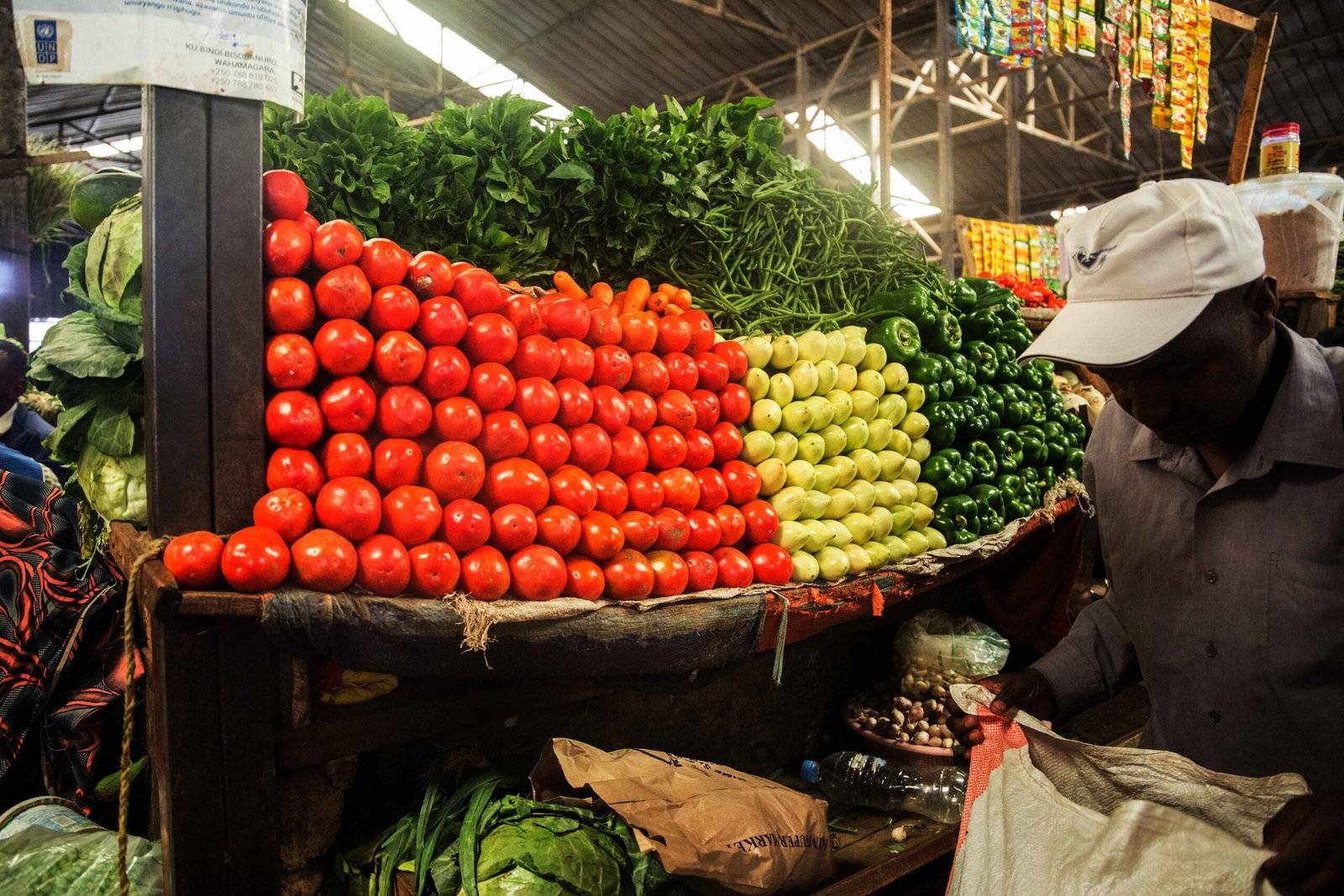
Coffee accounted for about 16 percent of Rwanda's exports to the US and tea for about 10 percent, with smaller volumes of processed foods, leather goods, forestry products and metals. Rwanda's coffee sector earned a record of more than $150 million across all markets in 2025, according to KT Press.
The decision also arrives as Rwanda positions its mining sector as a supplier of critical minerals to Western buyers. A letter of intent for a tin supply chain involving Trinity Metals, the operator of Rwanda's largest tin, tungsten and tantalum concessions, and the American tin processor Nathan Trotter was announced earlier this year as part of a $100 million public-private partnership.
AGOA is authorised by Congress through the end of 2028, and eligibility is reviewed annually, meaning a country can be reinstated if Washington judges the criteria to have been met. Ambassador Greer said the administration was working with African partners to help them meet the requirements.
Representative Richard Neal, the ranking Democrat on the House Ways and Means Committee, which oversees trade, warned that the removals risk economic disruption and asked the administration to explain the path back to eligibility.
Rwanda has spent the past two years widening its trade options. Since December 1, 2024, Rwandan goods have entered China under a zero-tariff regime covering all product lines, and Kigali has deepened commercial ties with Gulf, Asian and African partners under the African Continental Free Trade Area (AfCFTA), the continent-wide single market agreement.
The loss of AGOA status takes effect in fewer than 60 days.
US Removes Rwanda From AGOA Benefits From January 2027
Rwanda will lose duty-free access to the United States market on January 1, 2027, after the administration of President Donald Trump removed the country from the AGOA.


Spotted an error? Report it to our editors.