
Women were elected to lead eight of Rwanda's 27 districts in local government elections that ended on 24 November, and now hold 38 percent of district executive posts, according to results by election body. District councils chose new leadership teams that will serve from 2026 to 2031.
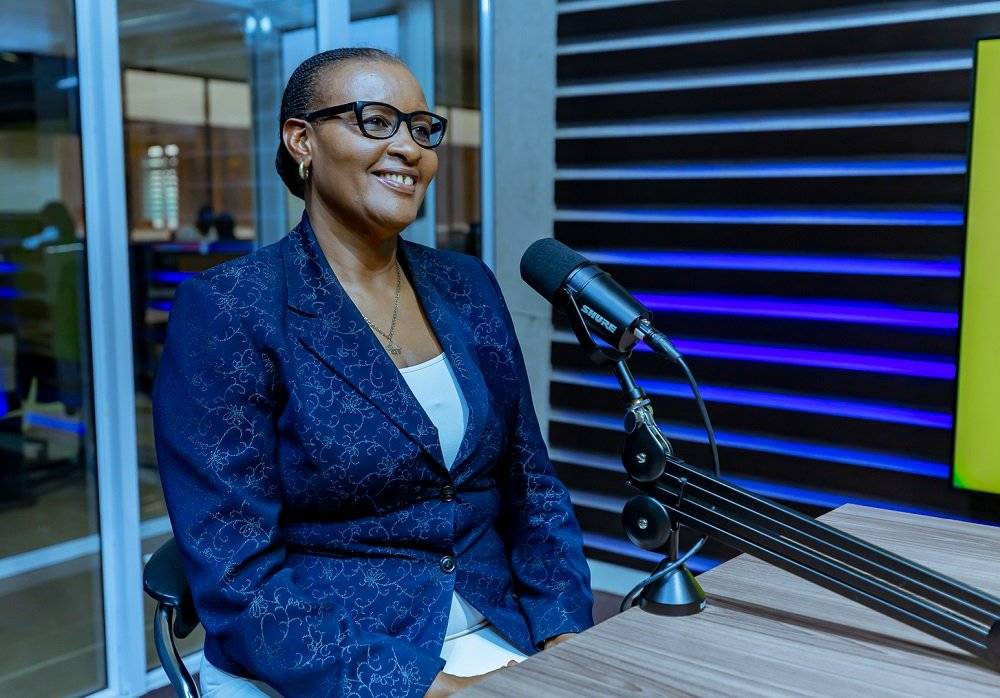
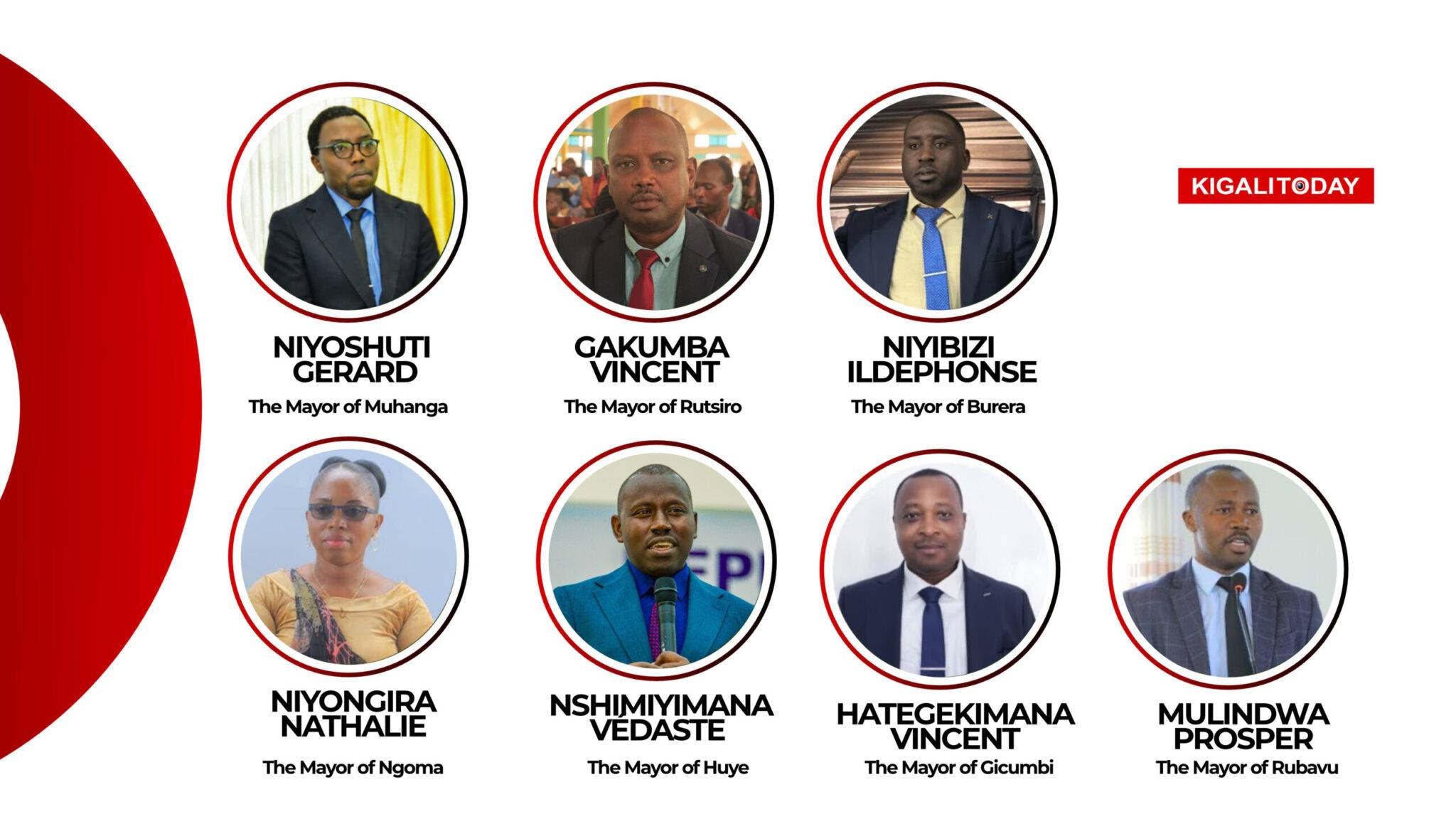
The eight women mayors are Marie-Grâce Berwa in Musanze, Jacqueline Uwingabire in Nyabihu, Patricia Murekatete in Kamonyi, Sandra Musabwasoni in Rwamagana, Chantal Uwamahoro in Rulindo and Virginie Mukasonga in Ruhango, all serving for the first time, along with Vestine Mukandayisenga in Gakenke and Nathalie Niyonagira in Ngoma, who were re-elected.
Mayors and their deputies are not chosen by direct public vote. Voters elected district councillors, with women's representatives chosen on 17 November and general councillors on 21 November, and the councils then elected each district's executive committee by secret ballot between 17 and 24 November.
The three districts of the City of Kigali, Nyarugenge, Kicukiro and Gasabo, were not part of the process because they do not have their own district councils. Eighteen districts have new mayors and nine re-elected their outgoing mayors.
Eight of 27 mayoral seats is 29.6 percent, slightly below the 30 percent minimum share of women in decision-making bodies set by Rwanda's Constitution, KT Press noted. Counting the two deputy mayors in each district, women hold 31 of 81 executive committee posts.
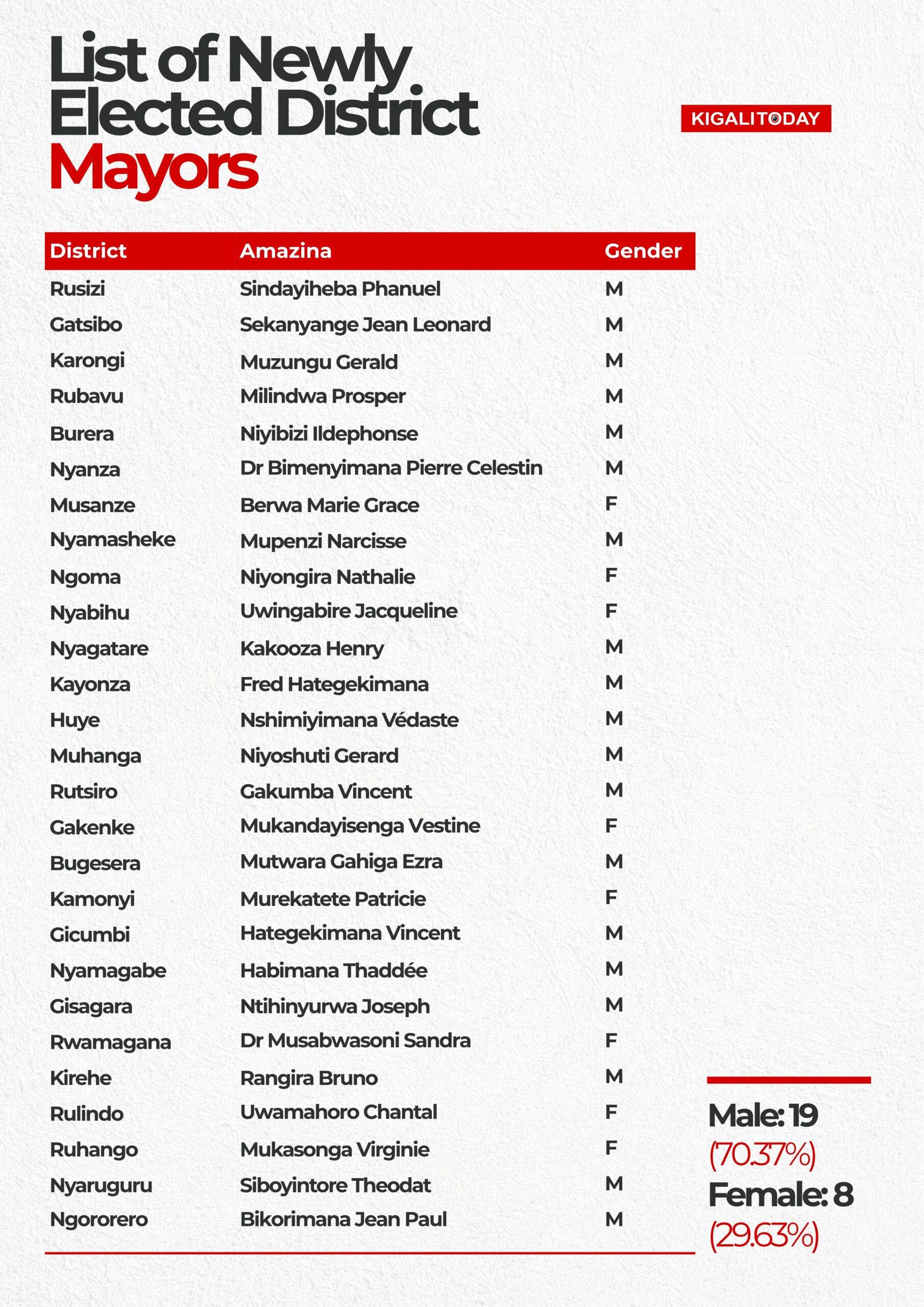
The balance differs sharply by portfolio. Women hold 18 of the 27 posts of Deputy Mayor in charge of Social Affairs, but only five of the 27 Deputy Mayor posts for Economic Development, in Burera, Gicumbi, Nyamagabe, Nyaruguru and Ngororero.
By province, the Eastern Province has the highest share of women in district leadership at 42.9 percent, followed by the Southern Province at 41.7 percent; the Northern and Western provinces are both at 33.3 percent.
Rwanda is often cited internationally for having the world's highest share of women in its national parliament. The new local results show that the share is lower in executive posts that control district budgets and economic planning. The new teams now take office for a five-year term.