
Rwanda earned $402.1 million from exports of tungsten, tin and coltan in the first half of 2026, nearly three times the $142.8 million earned in the same period of 2025, after the average price of tungsten rose by 369.1 percent, according to the National Bank of Rwanda. The figures were published on Thursday, 26 November, in the central bank's October 2026 Monetary Policy and Financial Stability Statement.
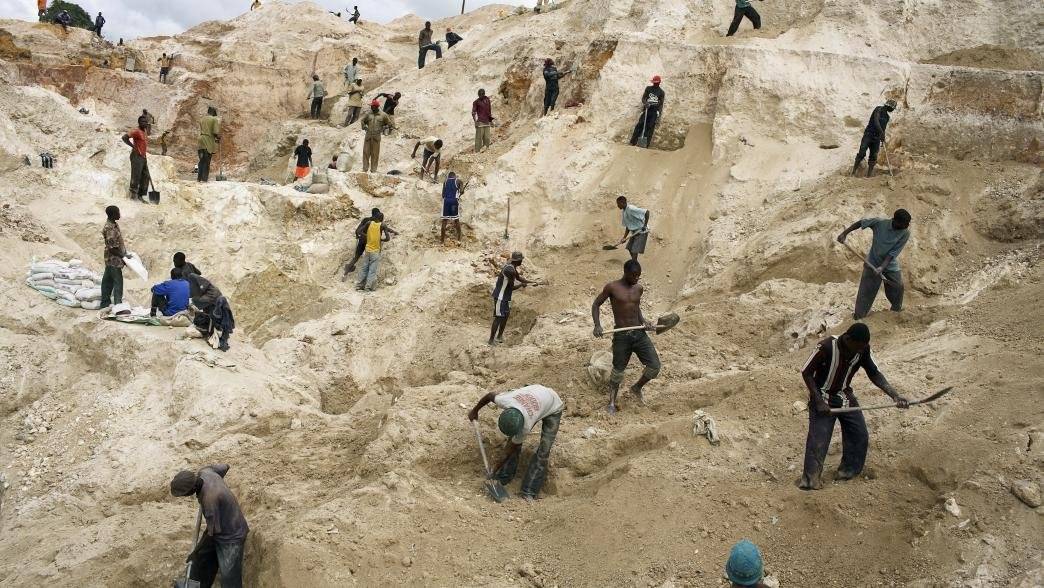
The average price of Rwandan tungsten, also called wolfram, rose from $16.2 to $75.8 per kilogram, and tungsten export earnings increased from $19.1 million to $139 million, the central bank said. Coltan, the ore that yields tantalum used in electronics, brought in the most: $159.8 million, up from $60.1 million, as its average price rose 65.3 percent to $78.1 per kilogram.
Tin earnings rose to $103.3 million from $63.6 million, with the average price up 47.2 percent to $32.3 per kilogram. Export volume of the three minerals increased by about a third, from 5,400 to 7,100 tonnes.
Rwanda's two main farm exports did not share the gains. Coffee earnings fell 4.8 percent to $41.1 million as the average price dropped to $5.4 per kilogram, while tea earnings rose 3.4 percent to $67.3 million on higher volumes, with prices broadly flat.
Overall merchandise exports rose 52.1 percent to $1.26 billion, while imports rose 18.9 percent to $2.81 billion, the central bank said. The trade deficit was $1.55 billion, almost unchanged, but exports now cover 44.7 percent of imports, up from 35 percent.
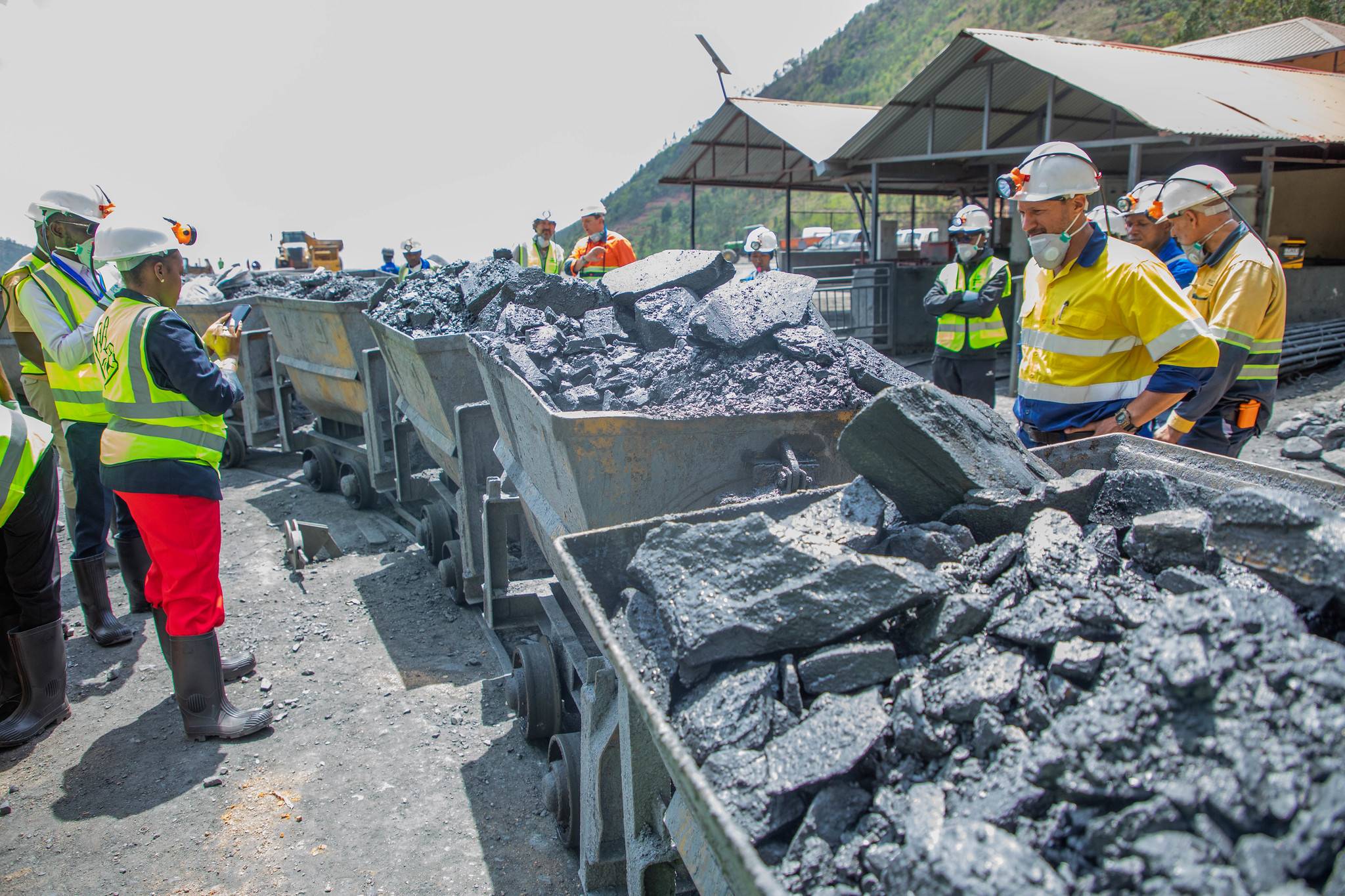
Companies are investing to increase output. Trinity Metals, which owns the Rutongo tin mine, the Nyakabingo tungsten mine and the Musha tin and tantalum mine, began a diamond-drilling campaign at Rutongo, about 26 kilometres north of Kigali, on 13 November, according to KT Press. Chief Executive Officer Peter Geleta said in a statement on 25 November that the drilling, the first modern programme of its kind at the mine, would provide the geological data needed to assess deeper deposits.
The first phase will drill 1,800 to 2,000 metres across five holes over about three months. At Nyakabingo, deep drilling began in May 2026, the company said. Trinity Metals' majority shareholder is TechMet, a UK-based investment company.
The central bank's figures arrive as it raises interest rates to fight inflation of 19.5 percent. Higher mineral earnings bring in foreign currency, but they depend on world prices. Trinity Metals expects results from the first Rutongo drilling phase in early 2027.