
The National Bank of Rwanda, the country's central bank, raised its benchmark Central Bank Rate by 75 basis points to 9.5 percent on Thursday, 26 November, after inflation climbed to more than twice the upper limit of its target range. The rate had stood at 8.75 percent before the decision.
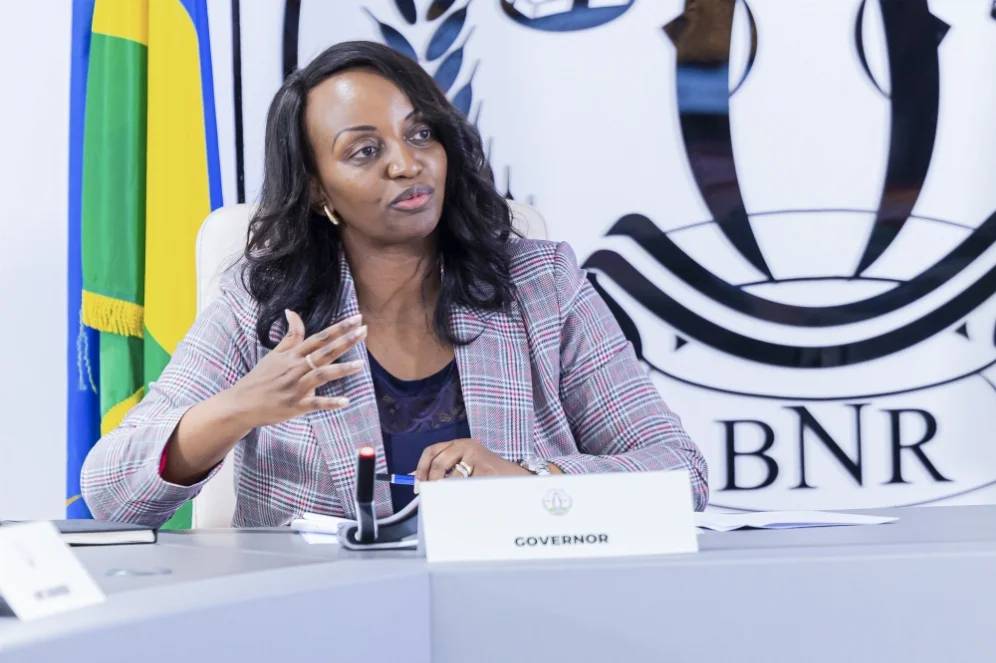
National Bank of Rwanda Governor Soraya Hakuziyaremye announced the increase after a meeting of the bank's Monetary Policy Committee, the body that sets interest rates. According to figures from the National Institute of Statistics of Rwanda, the government statistics agency, annual headline inflation reached 19.5 percent in October. The bank's target band is 2 to 8 percent, with a medium-term goal of 5 percent.
Food is driving the rise. Fresh food prices in October were 39.9 percent higher than a year earlier, and the wider food and non-alcoholic drinks category rose 28.9 percent, according to the central bank. Core inflation, which excludes fresh food and energy, was 11.5 percent. Headline inflation averaged 15.8 percent in the third quarter, up from 13.2 percent in the second.
The increase comes as the economy continues to grow quickly. Gross domestic product expanded 9.4 percent year on year in the second quarter of 2026, led by services and industry, the bank said. Money is already more expensive between banks: the interbank rate averaged 8.44 percent in the third quarter, compared with 5.85 percent a year earlier.
On the same day, the bank published its Monetary Policy and Financial Stability Statement, which showed export earnings rising sharply on the back of higher mineral prices.
The central bank expects inflation to begin easing gradually from the second quarter of 2027 and to return to the target range by the end of that year. It named two main risks: poor weather damaging harvests, and tension in the Middle East pushing up fuel and commodity prices.
Borrowers should expect commercial banks to pass the higher rate on to loans in the coming weeks. The next indication of whether the tightening is working will come with the National Institute of Statistics of Rwanda's November inflation figures, due in early December